Blue Ambassador Finalists
(Listed alphabetically)
Joslin Carson
Narrative:
• Joslin has created a marine conservation program in San Pancho, that centers on protecting endangered sea turtles. Her involvement with turtle conservation efforts and education in the area began almost 20 years ago.
• She recruits/trains volunteers who patrol local beaches for nesting turtles in the wee hours of the morning when everyone else besides the poachers are sleeping.
• To secure the safe development of sea turtle hatchlings she has established and daily monitors a beach nursery. The nursery is equipped with thermometers and motion detector cameras.
• Through her positive community engagement and effective use of social media platforms Joslin educates and informs all ages. She organizes and publicly announces community wide the safe secure release of hatchlings. (This is a tourist and community favorite at Sunset.). The hatchlings are released at sunset to give them the best chance of survival.
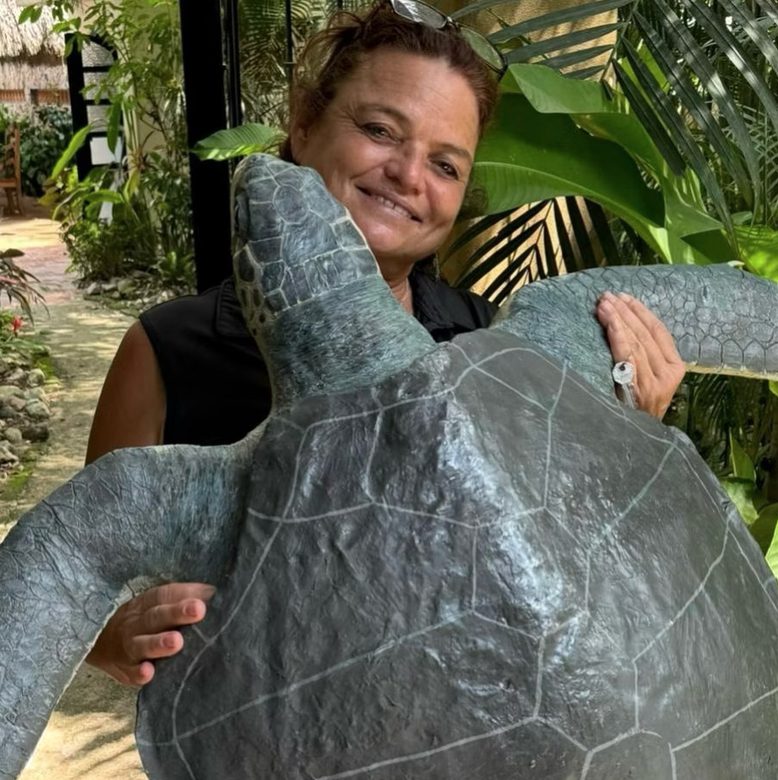
• Local school children are engaged in a unique summer workshop curriculum in conjunction with the local community center. In an environment of arts, crafts, games, and storytelling kids learn to become 'Guardians of the Turtles' and the marine eco system.
• Joslin also runs a Summer Turtle Camp where volunteers travel to stay in S.P. for anywhere from a couple weeks to a couple of months. The volunteers work hard not only doing turtle patrol in the middle of the night, digging up and relocating the nests into the beach nursery but also volunteer for other local environmental and educational efforts.
• Participation and education come together through these programs to build a lasting understanding and respect for marine life.
• Joslin has worked with beachfront homeowners to use Turtle-friendly lighting options so as to not disorient the turtles
• The beach clean ups provide safer spots for the mama turtles to come ashore and lay their eggs.
• Joslin is who gets called upon to save any critters, marine or land ones. A nest of orphaned opossums, an injured tejon or pelicans, snakes, iguanas, dogs or cats. She even raised a baby crow who visits her daily.
• The education of the towns people is resulting in less poaching and a better understanding about nature in general.
• Increased community awareness, respect and support for ongoing programs efforts throughout the year.
• Due to the constant beach patrols and the secure nurseries, more turtle eggs (both Olive Ridley and LeLeatherback turtles) produce more healthy hatchlings.
• Joslin has been working with the efforts in S.P. to protect the turtles for almost 20 years. In 2023, she was given her official federal permit, her SEMARNAT Permit.
• In 2025 they found 360 nests, with 33,614 eggs and released 25,488 hatchlings. They are on track to match that this year.
• While doing this work she also earned a BA in Environmental Science as well as a degree in Marine Biology.
Max Chesnes
Narrative:
As an award-winning environmental and climate reporter for the Tampa Bay Times, Max Chesnes has become one of Florida's most influential voices for marine conservation through impactful, science-based journalism. His reporting shines a spotlight on the issues affecting Florida's oceans, estuaries, wildlife, and coastal communities, helping the public understand the urgent need to protect marine ecosystems while holding decision-makers accountable for environmental stewardship.
Chesnes' work directly benefits marine conservation by translating complex
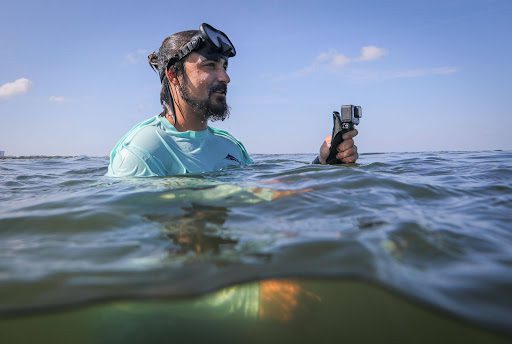
scientific research into compelling stories that inspire public awareness and action. His coverage has examined topics including seagrass restoration, water quality, endangered Rice's whales, whale sharks, manta rays, coastal habitat restoration, marine pollution, and the environmental impacts of development and climate change. By elevating the work of scientists, conservation organizations, and resource managers, he has amplified critical marine conservation initiatives and increased public engagement with Florida's coastal ecosystems.
The impact of his reporting extends beyond informing readers. His investigative and explanatory journalism has influenced public discourse, supported conservation efforts, and brought statewide attention to threats facing Florida's natural resources. Through compelling storytelling, aerial photography, and in-depth reporting, Chesnes has helped connect communities to the importance of protecting marine habitats and the wildlife that depend on them.
Among his outstanding contributions are his consistent coverage of Florida's most pressing environmental challenges, his commitment to accurate, science-driven reporting, and his ability to make marine conservation accessible to a broad audience. By informing the public, elevating scientific voices, and fostering accountability, Max Chesnes has made an enduring contribution to the conservation of Florida's marine and coastal environments.
Rachel Silverstein
Narrative:
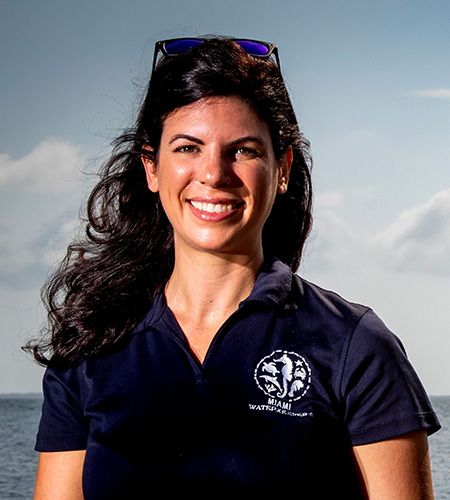
Rachel Silverstein has an unwavering commitment to protecting South Florida’s waterways and the marine ecosystems that depend on them. Through science-based advocacy, community engagement, water quality monitoring, and environmental education, Miami Waterkeeper has become one of the region’s most influential voices for clean water and healthy oceans.
Under the leadership of CEO and Waterkeeper Rachel Silverstein, Miami Waterkeeper works across Biscayne Bay, Miami’s coastal waters, and surrounding watersheds to address some of the most pressing environmental challenges facing South Florida, including water pollution, habitat degradation, sea level rise, and climate resilience. The organization combines rigorous scientific research with effective policy advocacy to ensure that decisions affecting local waterways are grounded in sound science and long-term conservation goals.
Miami Waterkeeper’s efforts directly benefit marine life by protecting critical habitats that support sea turtles, manatees, dolphins, shorebirds, coral reefs, and countless fish species. Through regular water quality testing, pollution investigations, and public reporting, the organization helps identify threats to marine ecosystems while empowering residents and decision-makers to take action. Its advocacy has contributed to increased awareness and stronger protections for Biscayne Bay and other vital coastal resources.
Beyond its conservation work, Miami Waterkeeper has fostered a culture of environmental stewardship throughout South Florida. The organization engages thousands of volunteers, students, boaters, and community members each year through educational programs, shoreline cleanups, citizen science initiatives, and outreach events. By connecting people directly to their waterways, Miami Waterkeeper inspires lasting conservation action and cultivates the next generation of environmental leaders.
Among its most significant contributions is its ability to unite science, policy, and community action to achieve measurable conservation outcomes. Whether advocating for cleaner water, supporting habitat restoration, promoting climate adaptation strategies, or advancing public awareness, Miami Waterkeeper consistently demonstrates leadership that extends well beyond Miami-Dade County and serves as a model for coastal conservation nationwide.
Through Rachel's direction, innovation, and measurable impact, Miami Waterkeeper exemplifies the spirit of the Go Blue Awards. Its work not only protects marine environments today but also helps ensure that South Florida’s waterways and wildlife will thrive for generations to come.
Dr. Randall "Randy" Wells
Narrative:
After an extraordinary 55-year career with the Sarasota Dolphin Research Program (SDRP), Dr. Randall "Randy" Wells, retired in June 2026, making this a fitting time to recognize his lifelong contributions to marine conservation. For more than five decades, Dr. Wells has served as one of the world's most respected ambassadors for ocean conservation, inspiring scientists, students, policymakers, and the public through groundbreaking research, exceptional mentorship, and an unwavering commitment to protecting marine life.
As co-founder and longtime Director of the SDRP, Dr. Wells helped establish the
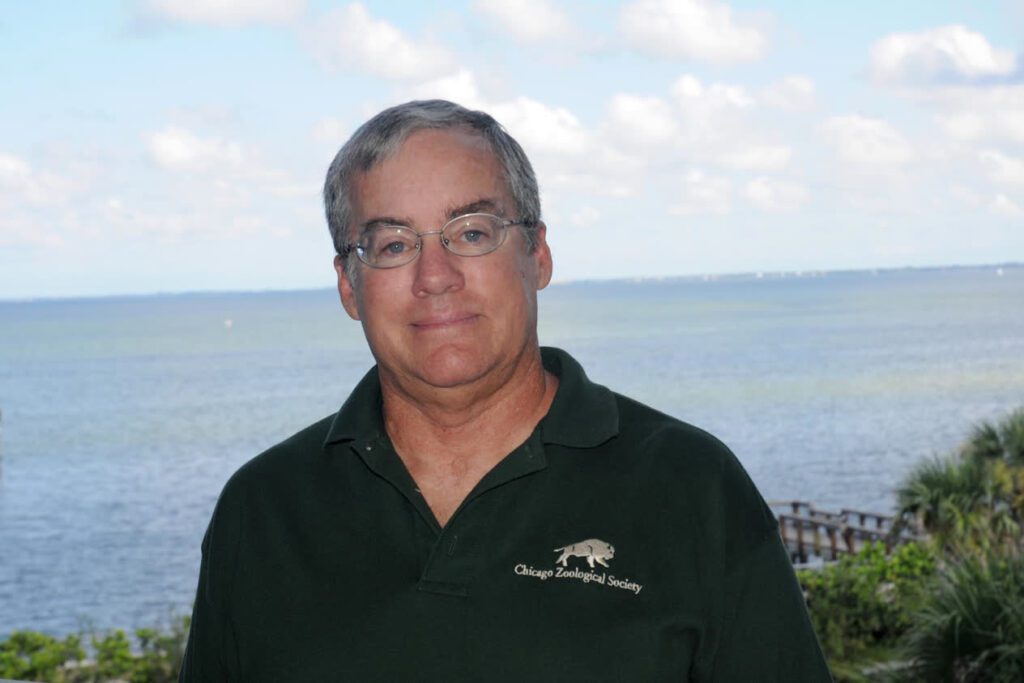
world's longest-running study of a wild bottlenose dolphin population. Since 1970, the program has transformed our understanding of dolphin biology, behavior, health, ecology, and responses to environmental change. The resulting scientific discoveries have informed marine mammal conservation, wildlife management, veterinary medicine, and environmental policy worldwide, making the SDRP an international model for long-term ecological research.
Beyond his scientific achievements, Dr. Wells has dedicated his career to connecting people with science. He has an extraordinary ability to communicate complex research in ways that inspire curiosity, stewardship, and conservation action. Whether mentoring students, advising government agencies, collaborating with researchers across the globe, or engaging local communities, he has consistently demonstrated that effective conservation begins with education, collaboration, and trust.
Dr. Wells' influence is reflected not only in his own accomplishments but also in the generations of scientists he has mentored. Hundreds of interns, graduate students, veterinarians, and researchers have benefited from his guidance, with many now leading marine conservation programs around the world. His collaborative leadership has strengthened partnerships across institutions and helped shape the future of marine mammal science.
Although retiring, Dr. Wells continues to serve the conservation community as Director Emeritus and through advisory roles supporting marine mammal conservation. His legacy extends far beyond the remarkable body of science he helped create. It lives on in the people he has inspired, the conservation decisions his research continues to inform, and the lasting appreciation for our oceans that he has fostered around the world.
Dr. Randy Wells has devoted his life's work to advancing marine science while serving as an extraordinary ambassador for ocean conservation. His passion, integrity, humility, and enduring impact make him an exceptionally deserving recipient of the Blue Ambassador of the Year Award.