Our oceans are vital for life on Earth. They support many marine species, help regulate our climate, and provide resources for millions of people. However, our oceans face serious threats, like pollution and climate change. Protecting them requires effort and resources from everyone.
Donating to ocean health initiatives can help. Your contributions can safeguard marine life, restore coral reefs, and reduce plastic waste. Supporting a non-profit organization for sea turtles can provide essential research, rehabilitation, and conservation resources.
There are many effective ways to contribute to ocean health and conservation, from supporting sea turtle efforts to reducing plastic waste.

Impactful Ways to Support Ocean Health Initiatives
Protecting the ocean is not just about saving one species or habitat. It’s about keeping a balanced ecosystem that affects our entire planet. Here are some effective ways to donate to and support ocean health initiatives.
1. Donate to Sea Turtle Conservation Programs
Sea turtles are important for the health of ocean ecosystems. They help balance marine habitats like coral reefs and seagrass beds by controlling prey populations. Unfortunately, sea turtles face many dangers, including habitat loss, pollution, and getting caught in fishing gear. When you donate to conservation programs, you help support:
- Rescue and Rehabilitation Centers: Many non-profits rescue injured sea turtles, rehabilitate them, and release them back into the wild. Sea turtles often face life-threatening injuries due to entanglement in fishing gear, plastic ingestion, or boat strikes.
- Educational Outreach: Education is a key component of conservation. Funding education programs teach communities about the importance of sea turtles and ways to protect them. Outreach programs in schools and communities help inspire the next generation of conservationists.
- Research Projects: Donations support research on sea turtle health, migration, and nesting patterns, providing data that influences conservation policies. Understanding sea turtles’ migratory routes and nesting patterns helps conservationists establish protected areas and adjust fishing practices to minimize accidental capture.
Helping non-profit organizations that focus on sea turtles can continue their conservation efforts. This helps protect both the turtles and the ecosystems that rely on them.
2. Adopt a Sea Turtle Nest or Hatchling
One direct way to help conserve sea turtles is by joining adoption programs. Many non-profit organizations offer symbolic adoptions. Adopting a sea turtle nest or hatchling supports its journey from the nest to the ocean.
- Adoption Packages: Adoption packages usually include information about the turtle, a certificate, and updates on its progress. Some organizations even offer photos of the nest or hatchlings, creating a meaningful connection for donors.
- Nest Protection: Your donation helps protect sea turtle nests, reducing the chances of predation and human interference. In high-risk areas, conservationists place barriers around nests, ensuring predators and beachgoers do not disturb the eggs.
- Monitoring Hatchling Success: By adopting, you contribute to hatchling monitoring efforts, which track and improve nest success rates. Volunteers and biologists often conduct “nest inventories,” counting eggshells and tracking the number of hatchlings that make it to the ocean.
Many families enjoy symbolic adoptions because they help children learn about and support sea turtles. By adopting a nest, families can connect personally to the cause. This also helps spread awareness, as participants often share their experiences with friends and family, increasing support for sea turtle conservation.
3. Support Plastic Pollution Clean-Up Initiatives
Plastic pollution severely threatens marine life, entangling animals, destroying habitats, and entering the food chain. Many non-profits organize beach cleanups and campaigns to reduce plastic use and remove waste from oceans.
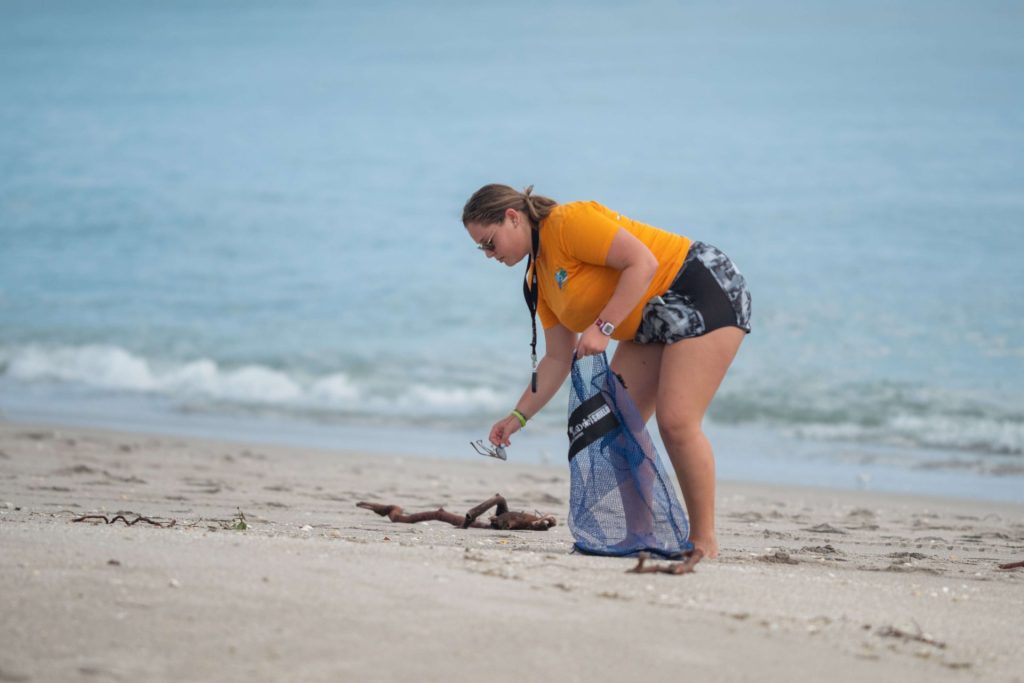
- Beach Cleanups: Your donation can support organized beach cleanups, removing tons of plastic and other waste from shorelines. Events like International Coastal Cleanup Day mobilize thousands of volunteers globally, clearing beaches of waste that would otherwise end up in the ocean.
- Awareness Campaigns: Donations help fund campaigns to reduce plastic use, spreading awareness about sustainable alternatives and the impact of single-use plastics. Non-profits also advocate for plastic bans and sustainable packaging solutions, partnering with businesses and policymakers to create lasting change.
- Plastic Removal Technologies: Some organizations invest in technologies that capture plastic waste from rivers before it reaches the ocean. Devices like the Seabin Project or Ocean Cleanup’s river interceptors are funded by donations and designed to prevent plastic from entering the ocean at its source.
Reducing plastic pollution helps keep our oceans healthy. It protects marine life and keeps our beaches clean for everyone. These efforts encourage communities and tourists to adopt sustainable practices, which helps create long-term solutions to plastic pollution.
4. Fund Coral Reef Restoration Projects
Coral reefs support approximately 25% of all marine species but are highly vulnerable to bleaching, pollution, and climate change. Funding coral reef restoration helps maintain these “rainforests of the sea,” providing a habitat for marine life and benefiting coastal communities.
- Reef Restoration: Donations can support restoration projects replicating damaged coral and monitoring reef health. Conservationists grow corals in nurseries and transplant them to degraded areas, helping restore the ecosystem’s structure and biodiversity.
- Research on Coral Health: Many non-profits conduct studies on coral resilience, looking for ways to breed corals that can withstand climate change. For example, scientists are developing “super corals” more tolerant to higher temperatures, offering hope for reefs in a warming world.
- Artificial Reef Creation: Funding the creation of artificial reefs offers an alternative habitat for marine life, helping reduce pressure on natural reefs. Often made from sustainable materials, these structures attract fish and coral growth, diversifying local marine life.
Supporting coral reef projects helps keep the entire marine ecosystem healthy. These reefs protect biodiversity and make the ocean more resilient. Coral reefs are also important for fish populations and shield coastlines from erosion, so preserving them benefits marine life and people.
5. Contribute to Ocean-Based Climate Change Research
Climate change is a major threat to ocean health. It affects water temperatures and sea levels. Many non-profit groups focus on research to help scientists understand how climate change impacts marine ecosystems. They also work on strategies to reduce these effects.
- Monitoring Ocean Temperature and pH Levels: Researching ocean temperature and acidity changes helps predict the effects on marine life and habitats. Coral reefs, for instance, are highly sensitive to warming waters, and tracking temperature changes can help conservationists prepare for bleaching events.
- Studying Migratory Patterns: Climate change affects the migratory patterns of various species, and tracking these changes helps conservationists adapt their protection efforts. For example, some fish species are moving to cooler waters, impacting fisheries and local ecosystems.
- Developing Mitigation Strategies: Donations support the development of solutions, such as reducing carbon emissions and promoting sustainable fishing practices. Many non-profits advocate for climate-friendly policies, such as renewable energy initiatives and carbon offsets for ocean-based tourism.
Helping with climate change research protects the ocean from one of its biggest threats, supports sustainability, and preserves marine life.
6. Support Sustainable Fishing Practices
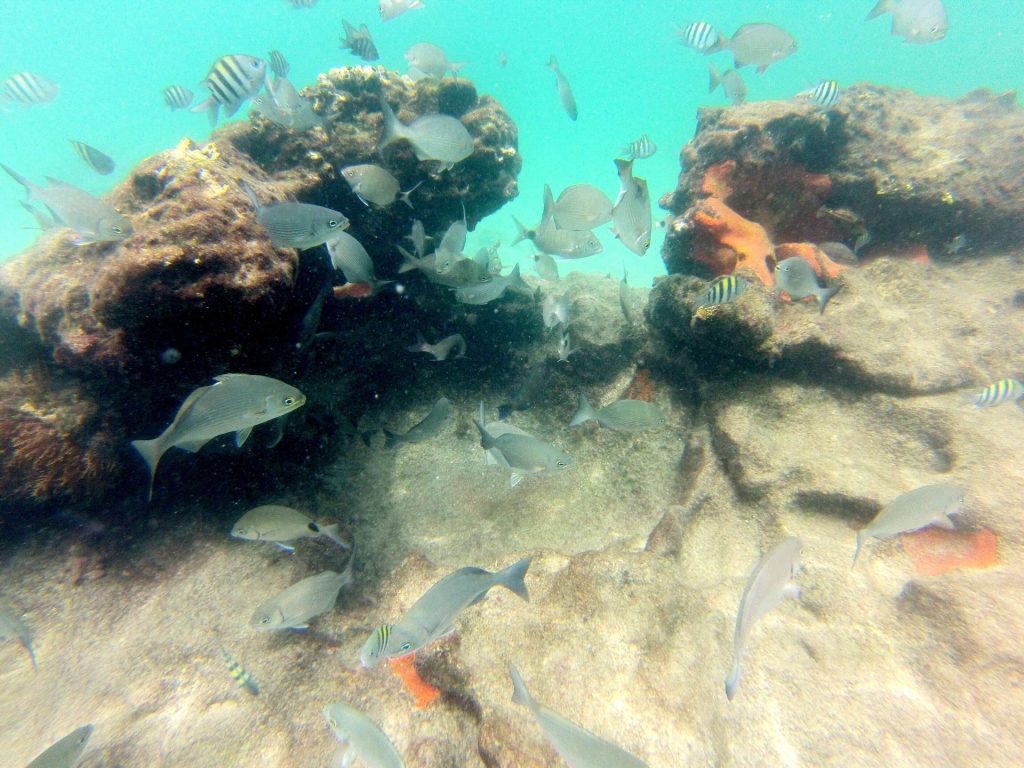
Overfishing and harmful fishing practices have caused many fish populations to decline and harmed marine habitats. Supporting non-profits that advocate for sustainable fishing helps protect fish stocks and keep marine biodiversity safe.
- Funding Sustainable Fisheries: Some organizations work with fisheries to implement sustainable practices that reduce bycatch and protect endangered species. Sustainable practices include using selective fishing gear, establishing catch limits, and monitoring fish populations.
- Education for Local Communities: Donations support programs that educate fishermen and coastal communities on the importance of sustainable fishing. Through education, local communities learn how to manage fish stocks sustainably, ensuring long-term access to fish resources.
- Marine Protected Areas (MPAs): Some funds go towards creating and enforcing MPAs, which restrict certain types of fishing to allow fish populations to recover. MPAs benefit biodiversity and fisheries, as protected areas often produce surplus fish that spill into surrounding waters.
Supporting sustainable fishing is key to keeping the ocean healthy and maintaining balance in marine ecosystems. These practices protect food security and support the livelihoods of communities that rely on fishing.
7. Invest in Marine Wildlife Rescue and Rehabilitation
Marine animals like dolphins, seals, and manatees are often injured by human activities. Helping rescue and rehabilitate these animals allows them to recover and return to their natural homes.
- Rescue Operations: Funding helps cover the cost of rescue operations for stranded or injured animals. Marine mammals often get entangled in fishing gear, struck by boats, or affected by pollution, and trained rescuers can respond quickly.
- Medical Treatment and Rehabilitation: Donations provide food, medical treatment, and rehabilitation facilities for injured marine life. These centers offer critical care and train animals to be safely released into the wild.
- Public Education and Awareness: Programs educate the public about the dangers marine wildlife faces and how they can help prevent such incidents. Awareness campaigns reduce common threats, such as plastic pollution and boat strikes, by educating people on responsible behavior.
Your donation helps rescue and care for marine animals, giving them a second chance at life and helping them survive. By supporting these efforts, you raise awareness about these animals’ challenges.
8. Help Fund Educational Programs on Ocean Health
Raising awareness about ocean health is important for long-term conservation. Many non-profit organizations provide educational programs to teach people of all ages why protecting marine ecosystems is crucial.
- School Programs: Donations can fund marine education programs in schools, inspiring young people to care for the ocean. Interactive lessons, field trips, and guest speakers engage students and encourage them to take an active interest in marine conservation.
- Community Workshops: Many non-profits host community workshops on sustainable practices and marine conservation. These workshops empower people to adopt environmentally friendly behaviors, such as reducing plastic use or participating in beach cleanups.
- Online Learning Resources: Some funds support the development of online resources, making ocean education accessible to a broader audience. Virtual tours, educational videos, and online courses connect people to marine issues, even if they don’t live near the ocean.
Education helps drive lasting change, and supporting these programs builds a generation that cares about ocean health. When more people learn about ocean conservation, we have a better chance of protecting marine environments for the long term.
9. Sponsor Research on Marine Biodiversity
The ocean is home to many species, many of which have yet to be discovered. Research on marine biodiversity helps scientists understand how marine ecosystems work and how different species relate to each other.
- Exploration Programs: Donations support exploration projects documenting and studying lesser-known marine species. Research vessels and deep-sea exploration equipment allow scientists to uncover new species and learn more about marine life.
- Protecting Endangered Species: By funding research, you help identify and protect endangered species, contributing to global biodiversity. Non-profits monitor threatened populations and work to create protections for their habitats.
- Conserving Unique Ecosystems: Supporting biodiversity research allows conservationists to identify and protect essential habitats, like seagrass beds and mangroves. These ecosystems provide shelter, food, and breeding grounds for countless marine species, making their protection vital for overall ocean health.
Helping with biodiversity research keeps the ocean healthy and full of life for future generations. Understanding marine species allows conservationists to develop better policies and management strategies.
10. Engage in Advocacy for Ocean Policy and Protection
Advocacy efforts play a crucial role in promoting policies that protect the ocean. By supporting non-profits that advocate for marine policies, you help drive change on a larger scale.
- Marine Protection Legislation: Donations support campaigns to create and enforce marine protection laws. Advocacy groups work with governments to pass and uphold laws that prevent pollution, restrict overfishing, and protect endangered species.
- Raising Public Awareness: Advocacy groups work to educate the public on pressing ocean issues, creating a collective call for change. Public support for policies like plastic bans or marine sanctuaries is essential for their success.
- Influencing Global Policies: Some organizations work internationally, pushing for policies that promote sustainable practices and reduce harmful activities like illegal fishing. Ocean advocacy groups collaborate with global partners to address climate change, plastic pollution, and biodiversity loss.
Advocacy plays a crucial role in protecting our oceans. It helps influence laws and raises awareness, vital for ocean health. Policy changes can lead to stronger protections, helping to conserve marine resources for the long term.
Get Involved with a Non-Profit Organization for Sea Turtles!
The health of our oceans is essential for the well-being of our planet and future generations. Supporting ocean health initiatives helps protect the world’s largest ecosystem, which benefits marine life and humans. Whether you donate to a non-profit for sea turtles or support sustainable practices, every action contributes to a healthier ocean.
Loggerhead Marinelife Center is a non-profit organization focused on sea turtles. It plays an important role in ocean conservation through research, education, and hands-on efforts. You help protect sea turtles and the marine ecosystem by getting involved or donating to their programs. Visit Loggerhead Marinelife Center to learn more and positively impact ocean health.