Every year, Florida’s coastline becomes a sanctuary for one of the ocean’s most beloved creatures—the sea turtle. These gentle navigators return to familiar shores during nesting season, quietly continuing a rhythm that has played out for millions of years. But in today’s world, the nearshore waters that once protected them have become dangerous spaces.
These waters are shallow, sun-warmed, and bustling with life, essential to a sea turtle’s survival. They’re also full of boats—fast-moving, motor-powered, and often unaware of what moves just below the surface. Boat strikes have become one of the leading human-related threats to sea turtles, especially during the critical months of the sea turtle nesting season in Florida.
Let’s take a closer look at why these ancient mariners are so vulnerable near shore, how boat strikes affect populations, how boaters can reduce harm, and what it takes to help a turtle recover when tragedy strikes.

Life in the Shallows: Understanding Sea Turtle Behavior
Nesting Season and Coastal Activity
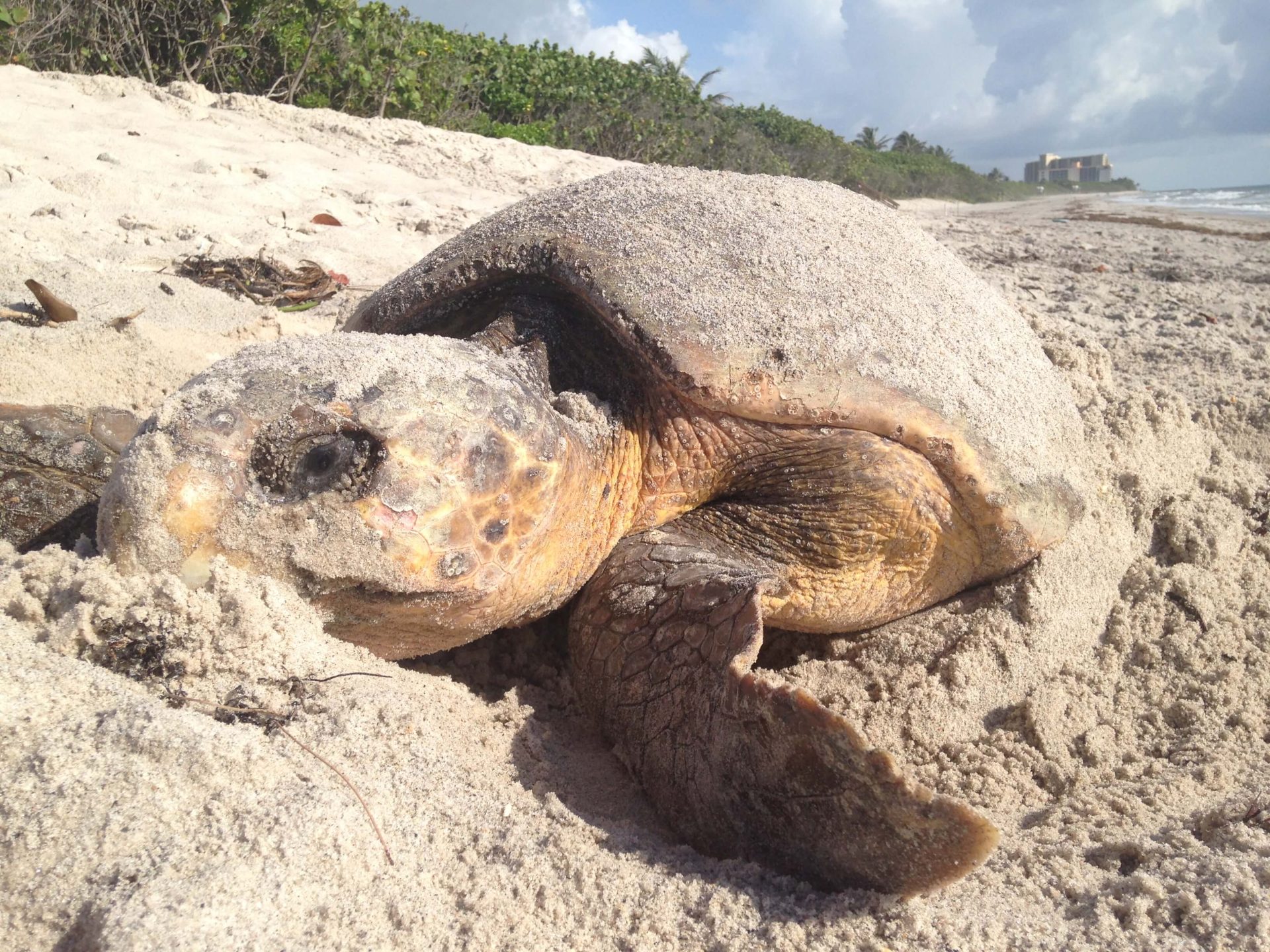
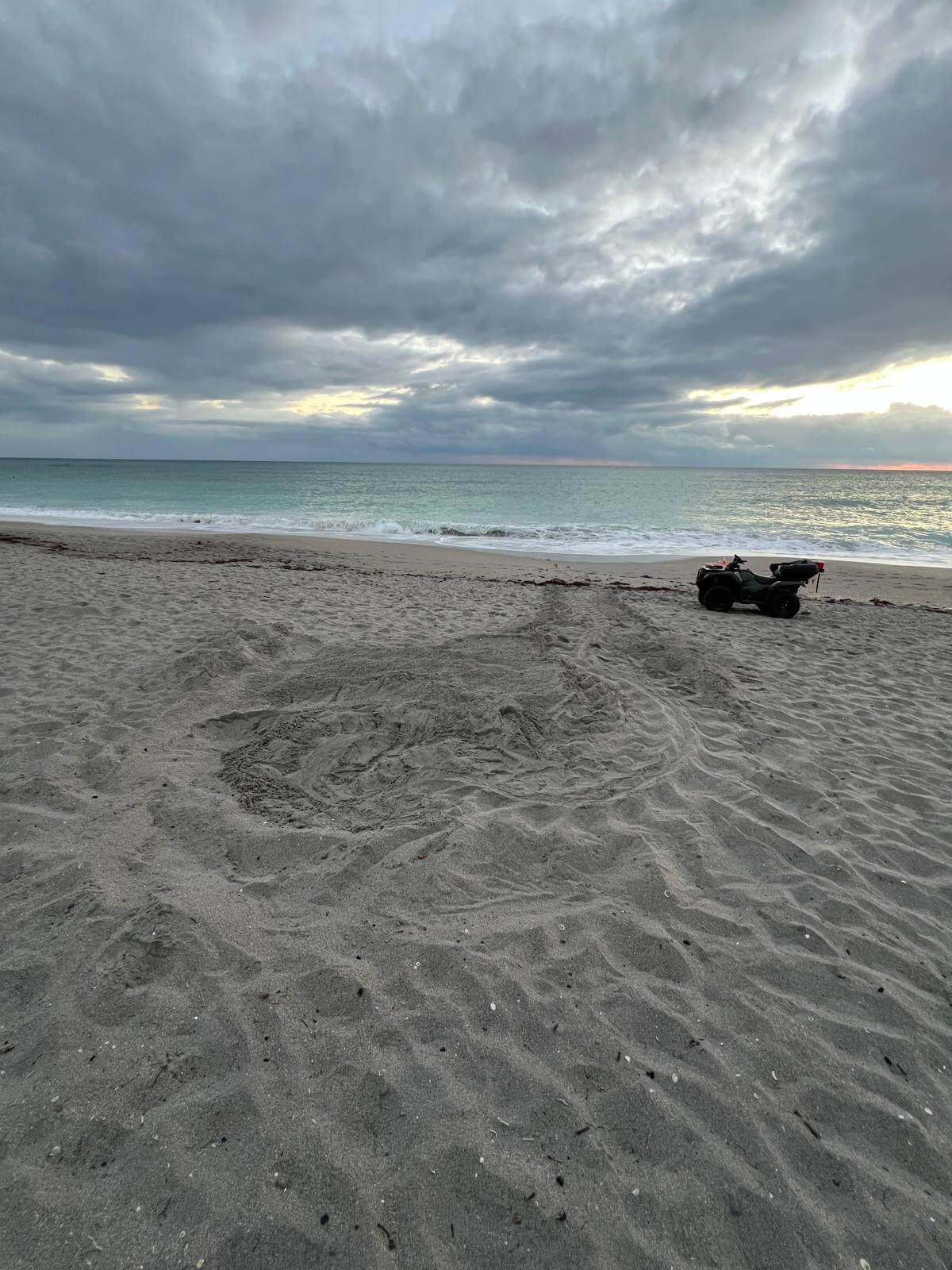
Sea turtles spend most of their lives in the open ocean, but adult females return to shore during nesting season. They stay nearby, lingering just off the coast as they prepare to nest multiple times throughout the season. This proximity puts them on the path of recreational boaters and fishing vessels.
Once eggs are laid, the cycle continues. Weeks later, hatchlings emerge from the sand and make their frantic dash to the water. But instead of heading straight to sea, many young turtles remain near the shoreline, floating among the seagrass beds and using the relative shallows as a nursery.
Migration and Resting Habits
Even outside of the nesting season, sea turtles rely on coastal areas. Juveniles, in particular, use nearshore zones as developmental habitats, feeding and growing before making their way into deeper water.
Turtles also rest at the surface between dives. It’s one of their quietest and most vulnerable behaviors. In busy boating channels, this natural instinct becomes a serious risk. One second of inattention and a turtle is gone.
Silent Collisions: How Boat Strikes Threaten Florida’s Sea Turtle Population
The Science Behind the Problem
Unlike whales or dolphins, sea turtles can’t make sudden evasive movements. They swim slowly and often surface without warning. With darker shells and muted coloring, they’re almost invisible against the water, especially when sunlight reflects off the surface.
This makes boat strikes both sudden and deadly. Studies show that a significant number of sea turtles admitted to rehabilitation centers in Florida arrive with injuries consistent with propeller impact or hull collision. These include fractured shells, deep lacerations, broken limbs, and internal trauma.
Data also shows a spike in these injuries during nesting season, March through October, when both turtle and human activity are at their peak.
Mapping the Danger Zones
Thanks to satellite tagging and habitat tracking, researchers have mapped high-risk areas. Inlets, Intracoastal waterways, and channels near popular beaches often see the most overlap between sea turtle activity and boat traffic.
By identifying these zones, scientists and conservationists can work with local governments and boating communities to establish voluntary slow-speed zones and seasonal alerts that help prevent collisions before they happen.
The Long Recovery: When a Turtle Is Struck
Rescue and Triage
When a sea turtle is found injured, the first response is crucial. Some are discovered floating, unable to dive due to internal injuries that trap air inside their bodies. Others wash ashore—bleeding, exhausted, or in shock. Every minute counts, and trained rescue teams are often the difference between life and loss.
Once stabilized on site, the turtle is carefully transported to a marine rehabilitation center. There, it undergoes a full medical assessment, including x-rays, wound cleaning, and, if necessary, emergency surgery. Some injuries may look mild but require long-term monitoring. Others demand major interventions, such as shell reconstruction or limb amputation, to give the turtle a fighting chance.
Healing in Human Care
Recovery takes time—and incredible patience. Turtles that suffer from buoyancy issues are placed in specialized tanks where their movement can be closely monitored. Weighted devices may be temporarily attached to help them submerge again. Their care routines are consistent and deeply attentive: wound treatments, antibiotics, proper hydration, and a monitored diet to support healing.
Throughout recovery, staff watch closely. Is the turtle swimming evenly? Can it dive and resurface on its own? Can it recognize and catch live food? These milestones matter. They determine whether the turtle can one day survive again in the wild.
Some turtles bounce back in a few months. Others may remain in care for more than a year.
Return to the Wild
The moment is unforgettable when the time finally comes to release a recovered turtle. Volunteers, marine vets, and families gather along the shore to witness the return. The turtle may pause at the water’s edge, then slide into the surf with quiet determination. It’s a symbol of endurance and the power of compassion.
Each release is joyful. But it’s also a reminder. Preventing injuries through awareness and education is always the better path. The recovery may be long, but the goal is simple: fewer turtles in trauma, more turtles in the sea.
Boater Awareness: Simple Actions That Save Lives
Most boaters don’t mean to harm sea turtles. The problem is often awareness, not intent. Turtles don’t wear warning lights. They surface without a sound. And even the most responsible captain can overlook them without the right tools and habits.
How to Spot and Avoid Sea Turtles
- Slow Down in Shallow Waters: Reducing your speed in shallow or nearshore waters isn’t just smart—it’s lifesaving. Lower speeds give you more time to notice movement and react if a turtle surfaces. It also decreases the chance of a fatal impact if contact does occur. Think of it as shifting into a “wildlife caution zone” whenever you’re near nesting beaches.
- Wear Polarized Sunglasses: Polarized lenses enhance your ability to see what’s just below the surface. You’re more likely to spot a resting turtle or a hatchling on its journey with the right pair. These glasses are a simple investment that makes a big difference. Plus, they protect your eyes while making you a better sea steward.
- Keep a Lookout: Appoint someone on board as a designated spotter, especially in high-traffic or nearshore areas. Like a co-pilot, they help scan for signs of wildlife while you focus on navigation. It’s a shared responsibility that boosts safety for both turtles and people. More eyes mean fewer surprises in the water.
- Avoid Night Boating Along Beaches: Darkness makes it nearly impossible to see sea turtles, especially when they’re surfacing to breathe or rest. If you must boat after sunset, minimize speed and use low-intensity, downward-facing lights. Avoid shining lights directly on the water, which can disorient wildlife. Keeping your impact low ensures turtles stay on course and safe.
- Know the Hotspots: Get familiar with areas where turtles are most active, especially during the nesting season. Some regions post voluntary protection zones or seasonal signage—pay attention to these cues. Apps, local guides, or conversations with marina staff can help you stay informed. When you know where turtles live, you’re better equipped to protect them.
- Report Injured Turtles Immediately: If you see a turtle floating, bleeding, or tangled in debris, don’t assume someone else will report it. Call the nearest wildlife hotline or rescue center right away. Your quick action can give a turtle a second chance at life. Every report counts, and sometimes, that call is the reason a turtle survives.
Community Conservation: Working Together for Change
It Takes More Than Scientists
Sea turtle protection isn’t just the work of researchers in white coats or rangers on patrol. It begins with everyday people—families walking the beach, anglers heading out before sunrise, and boaters enjoying Florida’s waterways. Building a safer environment for sea turtles means fostering a shared culture of care, where protecting marine life becomes second nature for everyone who calls the coast home.
Coastal Communities as Conservation Leaders
Local communities play an outsized role in shaping that culture. Boat clubs that share wildlife-safe boating tips, marinas that install turtle-friendly signage, and surf shops that hand out educational flyers are all part of the solution. When residents and visitors understand how their actions affect the species that live just offshore, they shift their habits—slowing down, staying alert, and stepping up when help is needed.
Small Actions, Big Ripples
Public education campaigns, beach cleanups, and outreach at community events may seem small in scale, but they ripple outward. A single conversation at a marina can lead to a family avoiding a nesting site, or a school field trip can inspire a young conservationist. These moments add up to a real, lasting impact.
Turning Awareness Into Action
The more people know, the more likely they are to care. And when people care, they act. Protecting sea turtles becomes more than a responsibility; it becomes a shared source of pride. That’s when real change happens, not just in policy but in practice, on the very beaches where sea turtles have nested for generations.
A Season of Progress: Florida’s Expanded Protection Efforts
A Bigger Zone for a Bigger Need
As Loggerhead Marinelife Center (LMC) in Florida gears up for another sea turtle nesting season, protections are expanding in stride. In 2025, LMC’s conservation groups widened the voluntary Sea Turtle Protection Zone (STPZ) to include the entire 45-mile coastline of Palm Beach County, stretching one mile offshore.
Originally launched in partnership with marine research institutions, this initiative asks boaters to slow down, wear polarized sunglasses, and stay alert for wildlife during the peak nesting window, March through October.
Nesting Predictions Reach New Heights
Why the added urgency? Researchers anticipate that 2025 could rank among the most active nesting seasons on record. Using predictive modeling, scientists estimate over 19,000 sea turtle nests may appear along the county’s shores.
The expanded STPZ aims to protect the adult females coming ashore to lay eggs and the tiny hatchlings making their first vulnerable journey to sea.
Building on 2024’s Research Breakthroughs
This season’s momentum builds on a major milestone from 2024: the first full year of temperature monitoring across all three nesting species, including loggerheads, leatherbacks, and greens in South Florida.
That study offered deeper insight into hatchling health, sex ratios, and survival trends, revealing the increasing influence of environmental conditions on early turtle development.
Florida Sets the Pace for Conservation
Together, the STPZ’s expansion and the ongoing research’s success signal a pivotal moment in sea turtle conservation. With evidence-based strategies and growing community involvement, Florida is emerging as a leader in balancing recreation with preservation. It’s a place where science and stewardship meet and where every small action on the water has the potential to ripple toward real, lasting change.
Plan Your Visit and Support Sea Turtle Nesting Season in Florida!
Protecting sea turtles is not a solo effort. It’s a shared responsibility that thrives on education, community, and compassion. Whether you’re a boater, a beachgoer, or someone who cares about ocean life, your voice matters.
Do you want to do more? Visit the place where sea turtle research and rehabilitation happen daily. Learn how scientists rescue and heal injured turtles, how data saves lives, and how your support makes a difference.
Plan your visit to Loggerhead Marinelife Center to explore exhibits, join a tour, or donate to support sea turtle recovery and protection.