We often hear that oceans are the lifeblood of our planet—but what does that really mean? From the food we eat to the air we breathe, the oceans touch nearly every part of our daily lives, whether we live on the coast or miles from the shore. Marine conservation is about more than saving dolphins or protecting coral reefs (though those are great reasons, too). It’s about protecting the very systems that sustain life on Earth.
The truth is, our oceans are under pressure. Climate change, pollution, overfishing, and habitat loss threaten marine ecosystems across the globe. But it’s not all doom and gloom—there’s a lot we can still do.
If you’ve ever wondered how you can help, one of the simplest ways is to donate to ocean conservation. Whether through your time, voice, or resources, every bit of support helps keep our oceans healthy, thriving, and full of life.

Oceans Matter More Than You Might Think
The Ocean Is Earth’s Life Support System
If Earth had a set of lungs, the ocean would be it. The ocean balances everything, covering over 70% of the planet’s surface. It absorbs massive amounts of carbon dioxide, helping to regulate the atmosphere and slow the pace of climate change.
Meanwhile, marine plants like phytoplankton quietly work away beneath the surface, producing over half of the oxygen we breathe. It’s humbling to realize that every second breath you take is thanks to the ocean’s hidden forests. The ocean also acts like a giant thermostat, absorbing and redistributing heat around the globe. It moves warm and cold water through currents, stabilizing weather patterns and temperatures.
Without the ocean’s regulating influence, we’d face harsher storms, soaring heat waves, and an even more unstable climate. Protecting the ocean isn’t just good for sea turtles and coral reefs—it’s vital for every living thing, including us.
A Source of Food and Livelihood
For billions of people, the ocean isn’t just a beautiful view—it’s dinner on the table. More than three billion people worldwide rely on seafood as their primary source of protein. The ocean sustains families and cultures, particularly in coastal communities, from tuna to shrimp to countless local fish species.
But it doesn’t stop with what’s on our plates. Marine industries like fishing, tourism, shipping, and pharmaceuticals generate millions of jobs globally. In many places, healthy oceans mean stable economies and growing communities.
In developing countries, fisheries aren’t just an economic booster—they’re essential to food security and daily survival. Protecting marine ecosystems helps ensure that future generations can continue to depend on the ocean for nourishment and opportunity.
Biodiversity Beneath the Surface
Dive below the waves and you’ll find a world more colorful and complex than most of us can imagine. The ocean is home to an estimated two million species, and scientists believe millions more are still undiscovered. Coral reefs, mangrove forests, and vast kelp beds are bustling cities of marine life, hosting everything from tiny shrimp to massive whales.
Each creature plays a role, no matter how small. Coral polyps build reefs that shelter fish. Mangrove roots offer protection to young sharks. Even plankton, invisible to the naked eye, feed countless marine animals higher up the food chain. When we lose biodiversity, we’re not just losing beautiful species—we’re dismantling the intricate web that keeps the ocean healthy and resilient.
When one species disappears, the effects ripple outward in ways that are hard to predict and even harder to undo. That’s why every effort to protect marine biodiversity matters. Saving a single reef or restoring a patch of seagrass could make the difference between an ocean that thrives and one that struggles to survive.
What’s Putting Our Oceans at Risk?
1. Climate Change and Warming Waters
The ocean acts as a crucial buffer against climate change, absorbing over 90% of the excess heat from greenhouse gases, which leads to rising sea temperatures and the bleaching of coral reefs. Marine species are forced to shift migration patterns or face extinction as tropical species move away from the equator.
Additionally, warmer water holds less oxygen, creating vast “dead zones” that threaten marine life. The ocean is also becoming more acidic due to CO₂ absorption, which weakens the shells of essential species like clams and plankton, impacting the entire food chain and coastal livelihoods.
In short, a warming ocean disrupts marine ecosystems and highlights the connection between our atmosphere and oceans.
2. Plastic and Pollution
Plastic pollution significantly threatens ocean health, with over 11 million metric tons entering the sea annually. Ghost nets entangle marine animals, while turtles mistake plastic bags for food. Microplastics end up in the stomachs of fish and birds, affecting the entire food chain.
Beyond plastics, oil spills suffocate marine life, and pesticides and chemical runoff harm estuaries and coral reefs. Untreated sewage contaminates coastal waters, spreading disease and damaging ecosystems.
Additionally, noise pollution from boats and industrial activities confuses whales and dolphins, disrupting their communication and migration.
3. Overfishing and Destructive Practices
Fish are a vital part of ocean ecosystems—but they’re not an unlimited resource. Overfishing happens when we take more fish than the populations can naturally replace. It doesn’t just reduce the number of fish in the sea—it changes everything. When key species like tuna or snapper disappear, their predators go hungry, and their prey can multiply unchecked. That kind of imbalance can tip an entire food web out of sync.
But the way we fish matters, too. Destructive methods like bottom trawling rip up seafloor habitats, killing coral and disturbing sediment. Dynamite or blast fishing—still used in some parts of the world—flattens entire reef systems with a single explosion. These practices don’t just target fish; they destroy everything in their path.
Sustainable fishing—using methods that protect ecosystems and limit bycatch—gives marine life a fighting chance. It helps ensure that ocean resources stay healthy for generations to come. Without it, we risk collapsing natural systems and the communities that depend on them.
4. Habitat Loss and Coastal Development
Oceans are vast, but important marine life lives close to shore. Coastal areas like mangroves, salt marshes, seagrass meadows, and coral reefs provide safe places for fish to grow, food for seabirds, and nesting spots for sea turtles. These ecosystems are full of life, but they are also very delicate.
As coastal cities grow, these natural areas are threatened by construction, pollution, and tourism. Coral reefs get damaged by anchors, mangroves are cut down, and bright lights confuse nesting sea turtles, leading them the wrong way.
Even well-meaning activities can harm wildlife. Sea turtles need specific beaches to nest. If these areas are developed or too crowded, it can stop them from nesting or harm baby turtles.
Protecting these coastal ecosystems is crucial for wildlife, preventing erosion, and keeping coastlines healthy. Every beach, reef, and mangrove plays an important role.
Why Marine Conservation Works
1. Protected Areas Make a Difference
Marine protected areas (MPAs) allow ecosystems to breathe and bounce back. These zones can help fish populations grow, restore coral reefs, and protect endangered species from overfishing or habitat destruction.
Studies show that when areas are effectively managed and protected, biodiversity increases and ecosystems regenerate. MPAs also support nearby fisheries by allowing fish stocks to replenish naturally.
2. Science and Research Drive Solutions
Conservation isn’t guesswork. Marine scientists around the world are studying migration patterns, water quality, genetic diversity, and more to better understand how to protect ocean systems.
Research also helps track the effectiveness of conservation strategies, making sure resources go where they’re needed most. By investing in science, we invest in smarter, more targeted solutions.
3. Community Involvement Is Key
Conservation efforts that involve local communities are the most successful. When people feel connected to the ocean, they’re more likely to protect it. From beach cleanups to turtle patrols, local action is driving global change. And when we teach kids to love the ocean, we raise a generation of caretakers.
The Ripple Effect of Your Support
1. Giving a Voice to the Voiceless
Marine animals can’t speak for themselves. They can’t protest a new development or campaign for cleaner waters. But you can. Supporting marine conservation means becoming a voice for sea turtles, dolphins, sharks, coral reefs, and millions of other creatures that call the ocean home.
When you donate to ocean conservation, you help fund rescue efforts, habitat restoration, cleanups, and policy advocacy that protect the voiceless—one turtle, reef, or fish nursery at a time.
2. Fueling Education and Awareness
Every educational program, documentary, and school visit funded through conservation work helps inspire change. People can’t protect what they don’t understand.
Funding outreach and education will build a world where more people make ocean-friendly choices, such as choosing sustainable seafood, skipping plastic, or turning off beach lights during turtle nesting season.
3. Supporting Hands-On Efforts
Marine rescue centers, sea turtle hospitals, coral farms, and ocean research labs run on people power and funding. Donations help keep tanks running, boats gassed up, and supplies stocked for the next emergency response or nesting season. Your support fuels action, not just talk.
What You Can Do—Right Now
1. Reduce Plastic Use
Bring a reusable bag, skip the straw, and refill your water bottle. These small choices add up and reduce the amount of plastic ending up in the sea.
2. Be a Responsible Visitor
Whether you’re at the beach, on a boat, or snorkeling a reef, respect the wildlife and their habitats. Avoid stepping on coral, pick up trash, and never touch marine animals.
3. Choose Sustainable Seafood
Look for seafood that’s caught or farmed responsibly. Avoid species that are overfished or caught using destructive methods. Many apps and guides can help you make informed choices.
4. Share What You Know
Talk about marine conservation with friends and family. Share content from reputable organizations. Awareness is contagious—and it spreads action.
5. Donate
One of the most impactful ways to help is to support organizations doing the work. Your donation helps protect habitats, fund research, rescue marine life, and educate future ocean stewards. Even small contributions can ripple outward in big ways.
Join the Wave: Be Part of Something Bigger
Oceans connect us all. No matter where you live, what you do, or what your background is, your life is tied to the sea. You’re not just helping sea turtles or coral reefs when you support marine conservation. You’re helping ensure a healthy planet for generations to come.

Plan Your Visit to LMC and Donate to Ocean Conservation!
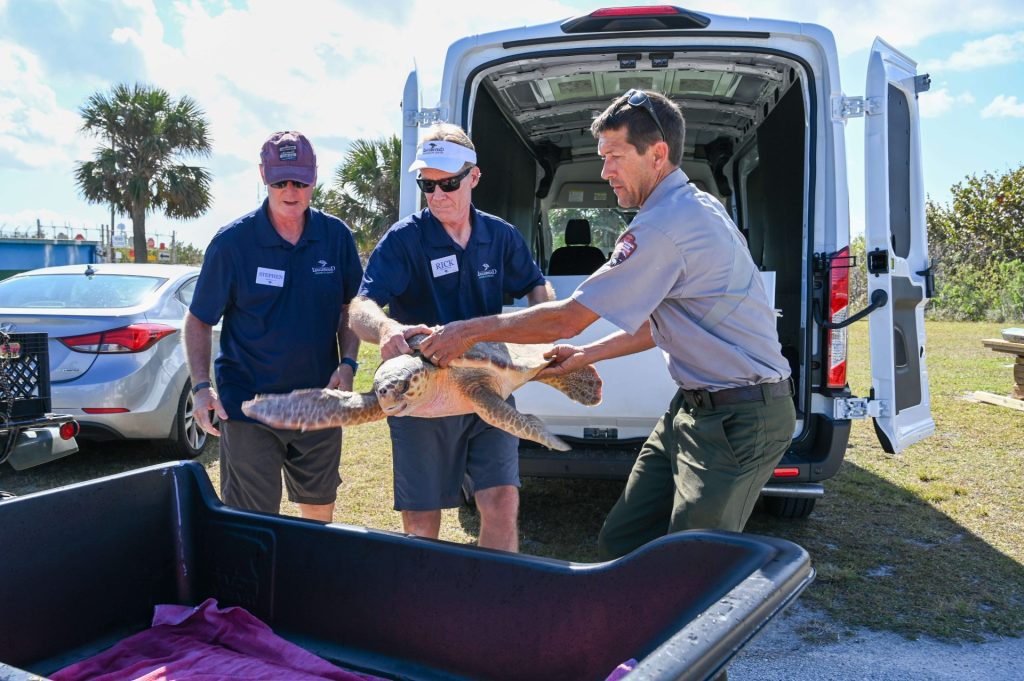
Loggerhead Marinelife Center in Juno Beach, Florida, isn’t just a place to learn about sea turtles—it’s a place to roll up your sleeves and truly make a difference. Right now, LMC is inviting passionate volunteers to join their community and play an active role in sea turtle recovery, ocean conservation, and public education.
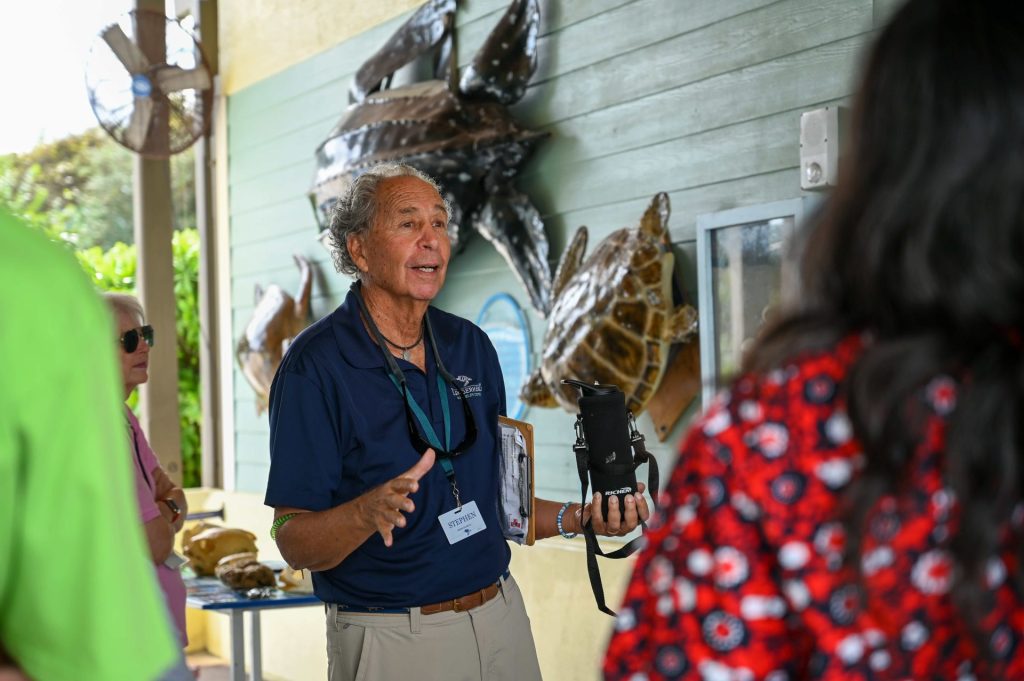
Volunteers help power everything at LMC, from assisting the veterinary team caring for sick and injured turtles to supporting education programs and greeting visitors at the Juno Beach Pier and gift shop. Whether you’re leading a tour, helping a hatchling find its way to the ocean, or sharing ocean conservation tips with guests, you become part of something bigger than yourself.
The perks of volunteering go beyond helping the planet. Volunteers enjoy exclusive sea turtle experiences, staff discounts on camps and visitor programs, discounted scuba certifications, and continued education opportunities through special lectures and mission-focused training. Plus, it’s a fun, welcoming community of like-minded people who care deeply about protecting marine life.
If you’re ready to give back and get involved, Loggerhead Marinelife Center is currently accepting volunteer applications for seasonal and year-round roles. Opportunities are open to individuals aged 16 and up, with flexible shifts and training provided. “
Plan your visit, donate, or apply to volunteer today at Loggerhead Marinelife Center. Join the movement to protect our oceans, one turtle at a time.