- Explore Conservation -
Be Part of the Solution
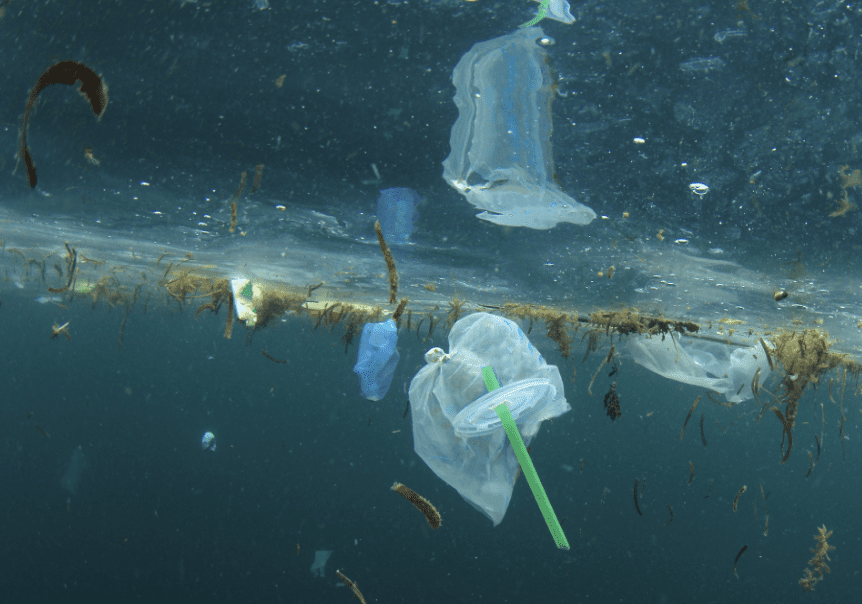
With an estimation of over 8 million metric tons of plastic entering our ocean every year, the LMC conservation department provides targeted comprehensive preventive solutions to the marine debris items found throughout removal efforts.
LMC works tirelessly to remove marine debris through direct removal and pollution prevention initiatives such as beach and underwater cleanups and plastic reduction initiatives in partnership with local marinas, beach access points, and municipalities throughout Palm Beach County.
0
Pounds Of Trash (YTD)January-July
Why Do We Sort Debris?
Plastic pollution has increasingly become one of the most significant threats to our ocean’s health. Over 8 MILLION tons of plastic enters the ocean every year.
Plastic trash in the ocean does not biodegrade, meaning it will never completely go away. Instead, plastic breaks down into smaller and smaller pieces over time.
How Can You Help?
- Reduce your use of plastic bags, bottles, straws, and other single-use plastics
- Educate others about the need to ditch single-use plastics
- Avoid products with excess packaging
- Get involved! Join your nearest beach or waterway cleanup
Marine Life Mistakes Trash for Food
Sea turtles and other marine life are eating our plastic trash, mistaking it for food. Once ingested, plastic trash can cause internal injuries and even death.
100% of hatchling sea turtles that enter Loggerhead Marinelife Center’s sea turtle hospital have plastic in their stomachs.
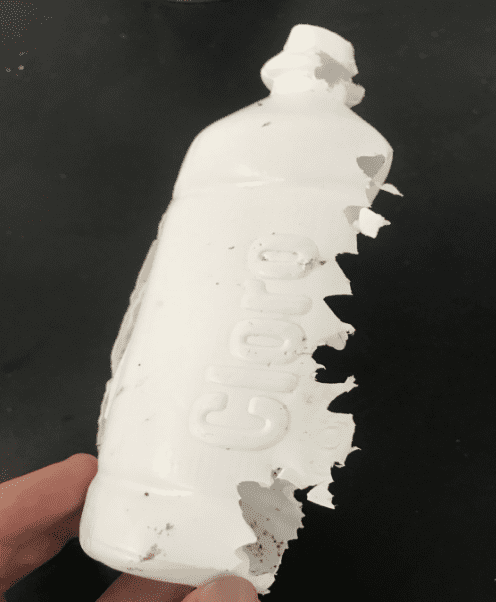
This plastic bottle, removed from the beach, shows hatchling sea turtle bite marks.
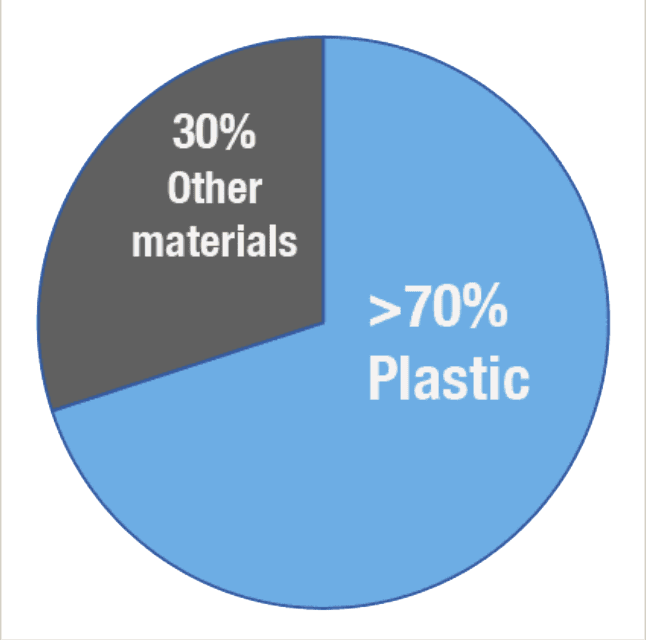
After each beach and underwater cleanup, Loggerhead Marinelife Center’s Conservation Department sorts and documents every piece of trash collected. Sorting this trash allows us to identify major types and sources of pollution. We use this information to develop targeted outreach and education programs that will reduce the amount of pollution entering the marine environment.
Programs
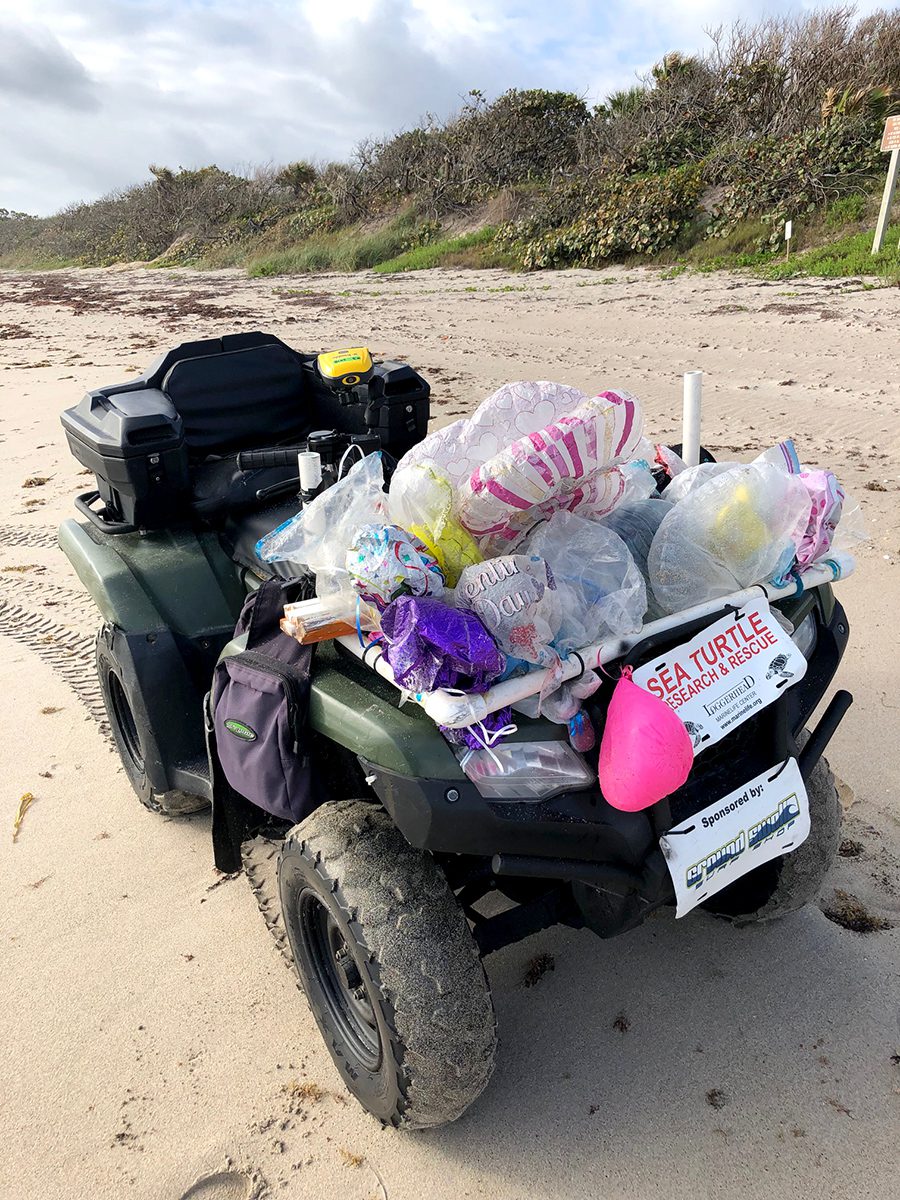 What goes up, must come down.
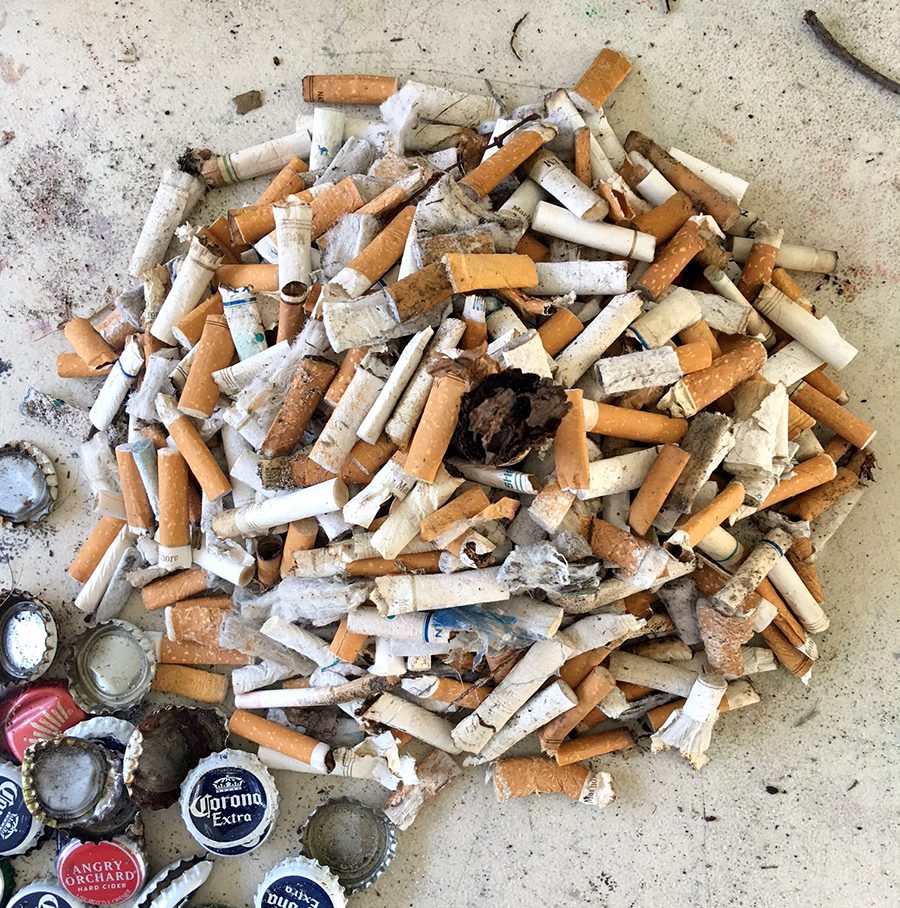 In 2016, the most commonly found marine debris item in the world were cigarette butts. Cigarettes are made of thousands of microplastic threads that never disappear, it just breaks down into smaller and smaller microplastic pieces; posing as a threat to the marine environment. Knowing this information, LMC created the cigarette litter pollution prevention program and installed cigarette receptacles on the Juno Beach Pier, beach access points, partnering parks and RPI pier locations.
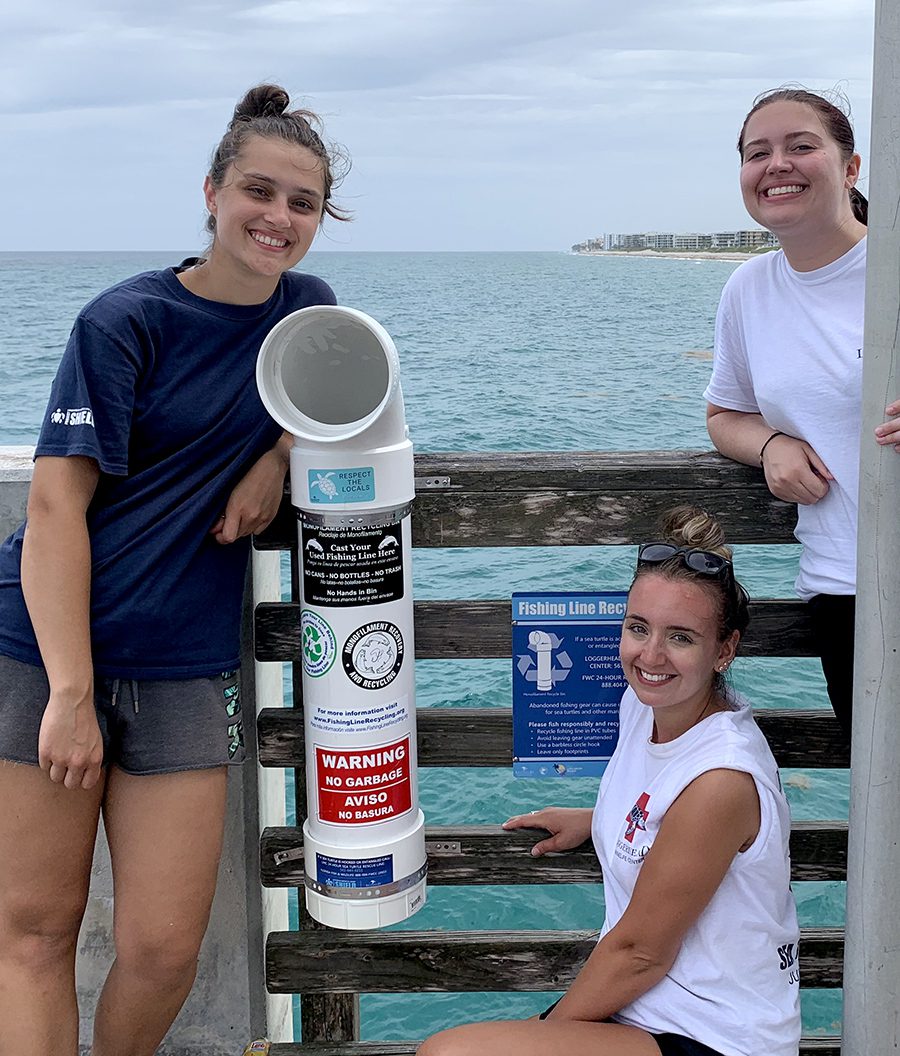 Most fishing line is made of monofilament, nylon. Because monofilament is often clean and thin, sea turtles and other marine life can easily become entangled in the line causing severe and or life-threatening injuries. To combat this, LMC collaborates with Florida Fish and Wildlife to manage the Monofilament Recovery and Recycling Program in Palm Beach County.
Sort Reports
Partner Organizations