Many dream of traveling to coastal destinations and exploring the beauty of the ocean. However, as ocean lovers, it’s best to travel responsibly and minimize our environmental impact. Whether you’re snorkeling in coral reefs, relaxing on a beach, or embarking on a marine wildlife tour, making eco-friendly choices helps preserve these precious ecosystems for future generations.
In this guide, we’ll explore practical tips on how to travel sustainably while enjoying the ocean. Plus, we’ll discuss how you can further contribute by choosing to donate to ocean conservation efforts that protect these natural wonders.
Why Eco-Friendly Travel Matters
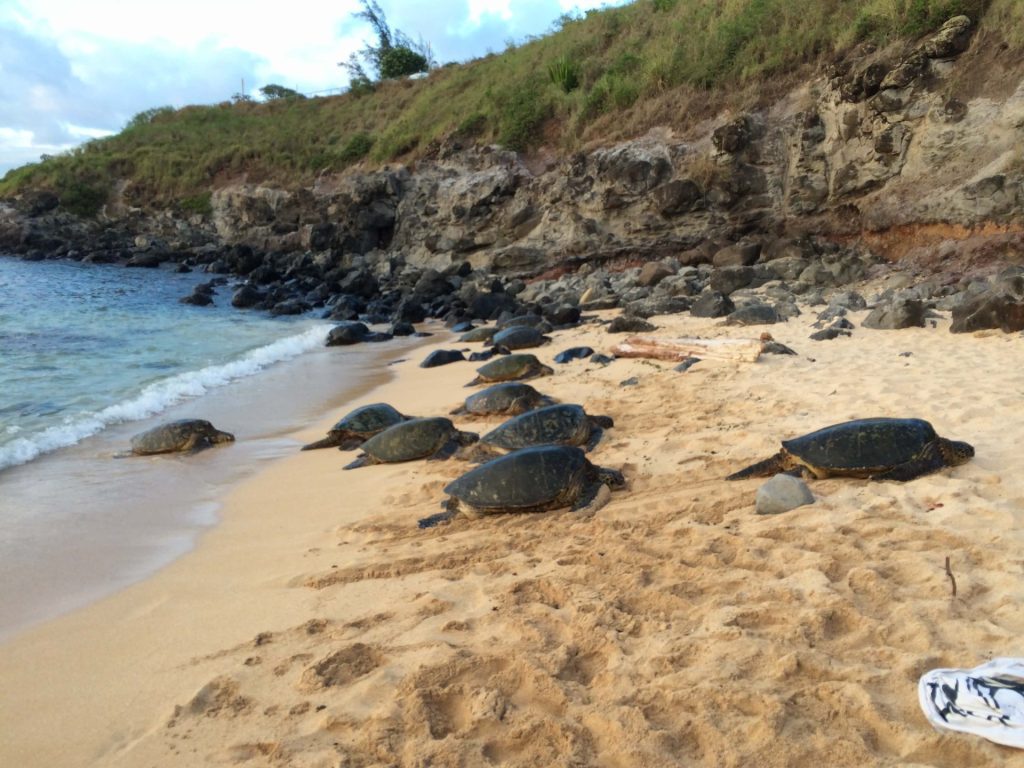
As more people travel to coastal areas, the impact on marine environments grows. From pollution to habitat destruction, tourism can have significant negative effects if not managed responsibly. By adopting eco-friendly travel practices, we can reduce our footprint and help protect the ocean’s delicate ecosystems.
1. Plan Your Trip with Sustainability in Mind
The first step to eco-friendly travel is careful planning. Making conscious decisions before you even set foot on a beach can ensure your trip is as sustainable as possible.
Choose Eco-Friendly Accommodations
One of the most effective ways to minimize your environmental impact is by staying in eco-friendly accommodations. Many hotels and resorts now prioritize sustainability, offering green initiatives that benefit the environment and the local community.
- Look for Eco-Certifications: When booking a place to stay, check for certifications like LEED (Leadership in Energy and Environmental Design), Green Key, or EarthCheck. These labels indicate that the property adheres to strict environmental standards.
- Support Locally Owned Businesses: Choosing locally owned hotels or guesthouses not only supports the local economy but also tends to have a smaller environmental footprint than large international chains.
- Opt for Accommodations with Water and Energy Conservation Practices: Select hotels that use water-saving technologies and renewable energy sources or offer recycling programs. Many eco-conscious establishments will have these practices highlighted on their websites.
Travel Light and Pack Responsibly
Packing light makes your travels easier and reduces your carbon footprint. The heavier your luggage, the more fuel is required for transportation.
- Use Reusable Items: Pack reusable water bottles, shopping bags, and travel utensils to avoid single-use plastics. These items are not only convenient but also help reduce waste.
- Choose Reef-Safe Sunscreen: Traditional sunscreens contain chemicals like oxybenzone and octinoxate, which are harmful to coral reefs. Opt for reef-safe sunscreen to protect marine life while keeping your skin safe.
- Pack Light: Bring only what you need. Lighter luggage means less fuel consumption on flights and other forms of transportation, contributing to a smaller carbon footprint.
Opt for Sustainable Transportation
How you choose to get to and around your destination can significantly impact the environment. Consider more sustainable transportation options whenever possible.
- Fly Less, Travel More: If possible, choose direct flights over connecting ones, as takeoffs and landings use the most fuel. Alternatively, consider other modes of transportation like trains or buses, which have a lower carbon footprint.
- Use Public Transport or Bike: Once at your destination, use public transportation, bike rentals, or walk whenever possible. These options are eco-friendly and provide a unique way to explore the area and interact with locals.
- Consider Carbon Offsetting: If flying is unavoidable, consider purchasing carbon offsets to compensate for the emissions. Many airlines offer this option during booking, allowing you to support projects that reduce or remove carbon from the atmosphere.
Respect Marine Life and Habitats
The ocean is home to diverse species and ecosystems, many of which are delicate and vulnerable to human activity. As travelers, it’s our responsibility to respect and protect these habitats.
Avoid Touching or Disturbing Wildlife
It’s crucial to avoid touching or disturbing marine life when exploring marine environments, whether snorkeling, diving, or simply wading in shallow waters.
- Keep Your Distance: Maintain a safe distance from marine animals. Touching or getting too close to them can cause stress, injury, or disrupt their natural behavior.
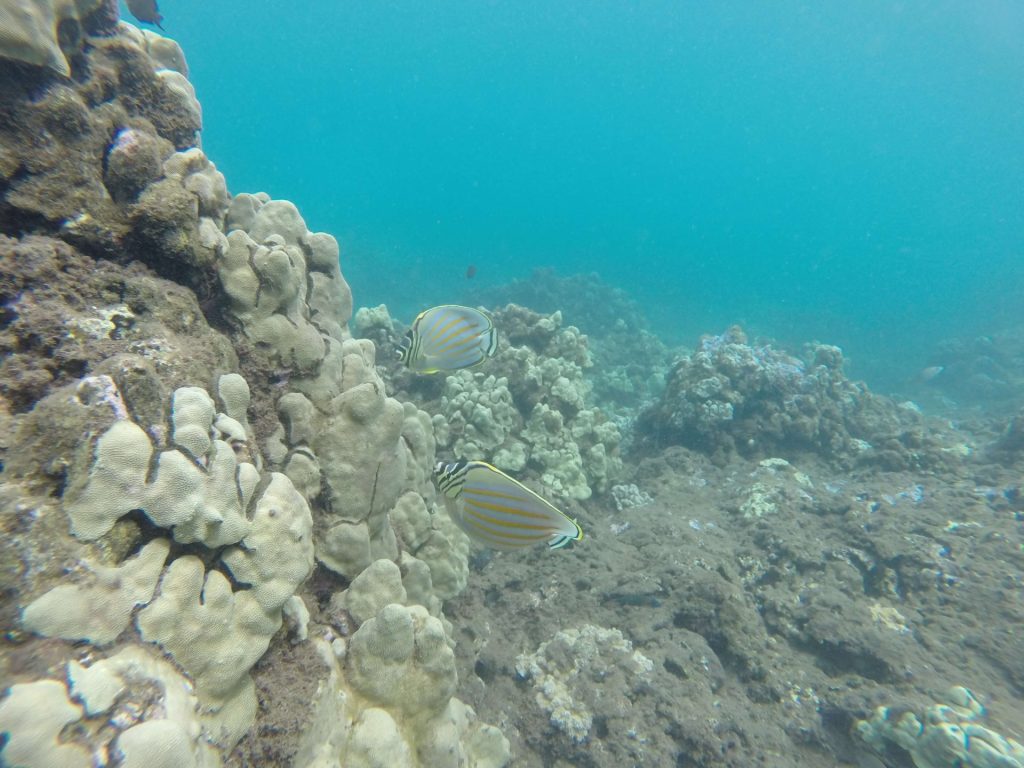
- Avoid Standing on Coral Reefs: Coral reefs are fragile ecosystems, and standing on them can cause irreversible damage. Instead, float and observe these beautiful structures from a distance.
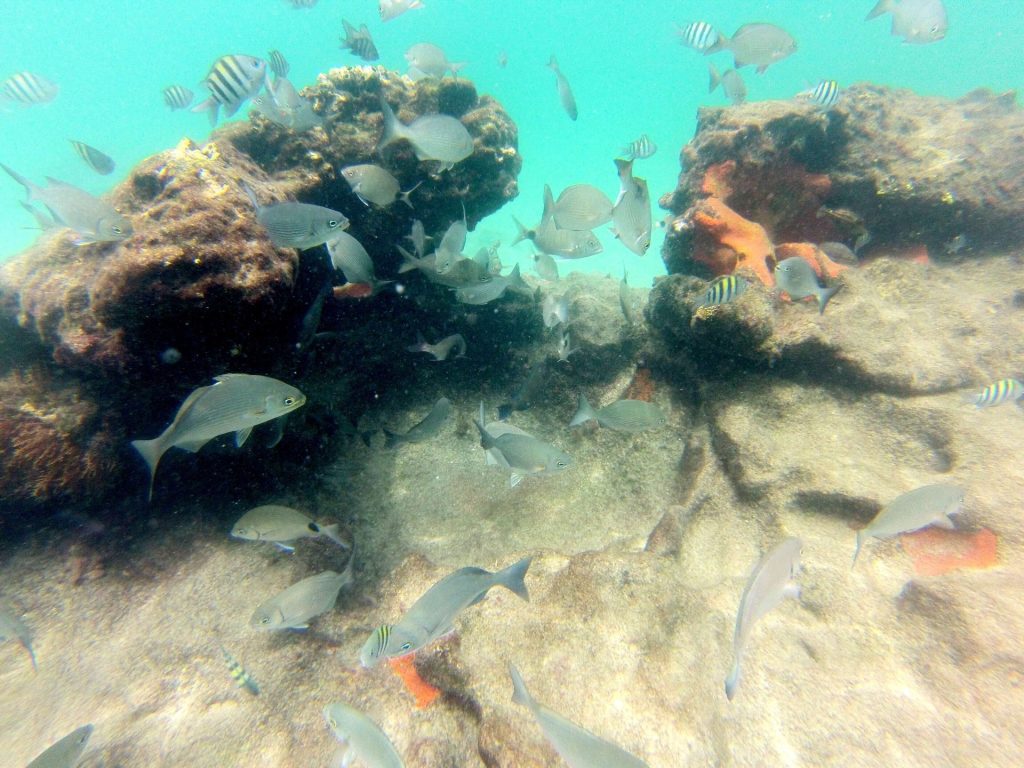
- Do Not Feed Wildlife: Feeding fish or other marine animals can disrupt their natural diet and behavior, leading to negative consequences for their health and the ecosystem.

Participate in Eco-Friendly Marine Activities
Many coastal destinations offer various marine activities, from boat tours to snorkeling. Choose operators that prioritize sustainability and conservation.
- Choose Responsible Tour Operators: Look for tour companies committed to eco-friendly practices, such as reducing waste, limiting the number of visitors, and educating tourists on marine conservation.
- Practice Leave No Trace: Always clean up after yourself when participating in activities like beach picnics or hikes. Carry out all trash, and leave natural objects, like shells and rocks, where you found them.
- Support Conservation Programs: Engage in activities that support marine conservation, such as volunteering for beach cleanups or participating in coral restoration projects.
3. Minimize Plastic Use and Waste
Plastic pollution is one of the most significant threats to the ocean. Millions of plastic waste enter the ocean every year, harming wildlife and ecosystems. Reducing your plastic use is a powerful way to protect the ocean during your travels.
Say No to Single-Use Plastics
Single-use plastics are convenient but have devastating impacts on marine life.
- Bring Your Own Reusable Items: Use reusable water bottles, coffee cups, and shopping bags. Many places around the world are now offering water refill stations to encourage the use of refillable bottles.
- Avoid Plastic Straws: Refuse plastic straws in restaurants and cafes. If you prefer to use a straw, bring your reusable one made of stainless steel, bamboo, or silicone.
- Choose Plastic-Free Packaging: When shopping, opt for products with minimal or no plastic packaging. Buy local produce, often sold without packaging, and support businesses that prioritize sustainability.
Reduce Waste Whenever Possible
In addition to reducing plastic use, minimizing waste in general during your travels is essential.
- Recycle Properly: Familiarize yourself with the local recycling rules at your destination. Properly dispose of recyclables to ensure they don’t end up in landfills or the ocean.
- Compost Organic Waste: If you’re staying in a place with a kitchen, compost organic waste like food scraps. Some eco-friendly accommodations even offer composting services.
- Choose Digital Over Paper: Opt for digital tickets, maps, and guides instead of printed versions. This reduces paper waste and is often more convenient while traveling.
4. Support Local and Sustainable Businesses
Supporting local businesses enriches your travel experience, promotes sustainability, and reduces environmental impact.
Eat Local and Sustainable Foods
What you eat can have a significant impact on the environment. By choosing local and sustainably sourced foods, you support the local economy and reduce your carbon footprint.
- Choose Sustainable Seafood: When dining out, opt for sustainably sourced seafood. This helps protect marine populations from overfishing and supports responsible fishing practices.
- Eat at Locally Owned Restaurants: Locally-owned restaurants often source their ingredients from nearby farms and fisheries, reducing the environmental impact associated with transportation.
- Support Farmers Markets: Visit local farmers’ markets to buy fresh, seasonal produce. This supports local farmers and reduces the carbon footprint associated with food transportation.
Shop for Eco-Friendly Souvenirs
While souvenirs are a great way to remember your travels, they can also have a significant environmental impact.
- Buy Locally Made Products: Choose souvenirs that are handmade by local artisans. This supports the local economy and reduces the environmental impact of mass-produced items.
- Avoid Products Made from Endangered Species: Do not purchase products made from endangered species, coral, or other protected marine life. These items contribute to the decline of vulnerable species and habitats.
- Opt for Eco-Friendly Materials: Look for souvenirs made from sustainable, biodegradable, or recycled materials. These products are often more durable and environmentally friendly.
5. Contribute to Conservation Efforts
By making eco-friendly choices during your travels, you can also contribute to conservation efforts that protect the ocean and its ecosystems.
Participate in Beach Cleanups
Beach cleanups are a hands-on way to protect the ocean and its inhabitants.
- Join a Local Cleanup Effort: Many coastal areas organize regular beach cleanups. Joining these efforts is a great way to give back to the community and make a tangible difference.
- Organize Your Own Cleanup: Consider organizing your own if no organized cleanups are available. Invite friends, family, or fellow travelers to help you collect trash and recyclables from the beach.
- Document Your Impact: Share your cleanup efforts on social media to raise awareness and inspire others to take action. Use hashtags to connect with the broader conservation community.
Educate Yourself and Others
Education is a powerful tool for conservation. By learning about the issues facing the ocean and sharing that knowledge with others, you can help promote positive change.
- Attend Educational Programs: Many destinations offer educational programs on marine conservation. Attend workshops, lectures, or guided tours to deepen your understanding of the ocean’s ecosystems.
- Share Your Knowledge: Talk to friends, family, and fellow travelers about protecting the ocean. Encourage them to adopt eco-friendly practices during their travels.
- Support Conservation Organizations: Consider donating to organizations that protect the ocean. Your support can help fund research, conservation projects, and educational programs that make a difference.
Why You Should Donate to Ocean Conservation
While adopting eco-friendly travel practices is crucial, supporting conservation efforts through donations can amplify your impact. By donating, you contribute directly to initiatives that protect marine life, restore habitats, and educate the public on the importance of preserving our oceans.
Donations help fund essential research, support rehabilitation efforts for injured marine animals, and drive advocacy for stronger environmental protections. Whether you choose to donate regularly or make a one-time contribution, your support plays a vital role in ensuring the health and future of the ocean.
Donations also empower local communities by supporting sustainable practices that reduce human impact on marine ecosystems. Your contributions enable conservation organizations to expand their reach, implement innovative solutions, and respond quickly to emerging threats like pollution and climate change. By donating, you become part of a global effort to protect the ocean, ensuring that future generations can continue to enjoy its beauty and biodiversity.
Donate to Ocean Conservation Today!
At Loggerhead Marinelife Center, we’re dedicated to protecting and preserving sea turtles and their habitats through conservation, education, and research. By supporting our initiatives, you can make a meaningful impact on ocean conservation efforts. Whether you participate in our programs, volunteer, or choose to donate to ocean conservation, your involvement helps protect our oceans for future generations.
Visit Loggerhead Marinelife Center to learn more about how you can contribute to their mission. Every effort counts, and together, we can make a difference for the ocean and its incredible inhabitants.