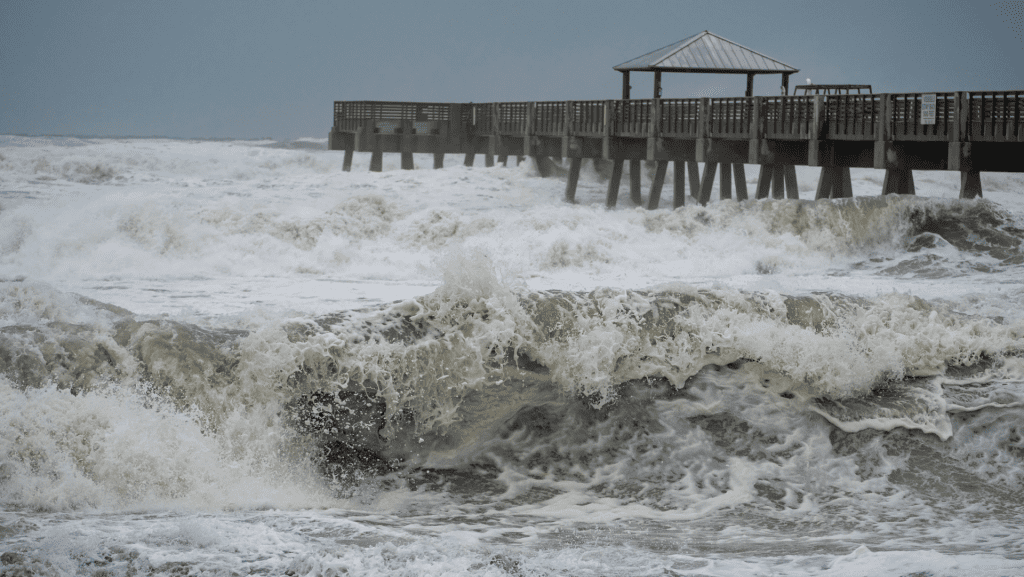

As a sea turtle rehabilitation facility located in South Florida, we are often asked “What happens during a hurricane?” Thankfully, our veterinary team and senior leadership have many years of experience with disaster preparedness of facilities caring for aquatic animals and we are well-prepared. If a tropical storm or hurricane starts making its way toward the Southeastern coast of Florida, our team has plans that go into motion to protect our campus, our staff, resident animals and sea turtle patients. Here is a look into some of the key actions we take to prepare for hurricane season and to react in the event of a major storm heading our way.
First, take some comfort in knowing that the building where our turtles would ride out a storm is rated up to a Category 5 hurricane (157+ mph winds). Our chief veterinarian and team are directed by the Florida Fish and Wildlife Commission on whether to stay in place and ride out the storm or evacuate patients to other facilities, sometimes even outside the state of Florida if needed. Also, because our campus is in a county park, our opening hours and evacuation status are dictated by the county during a tropical storm or hurricane.
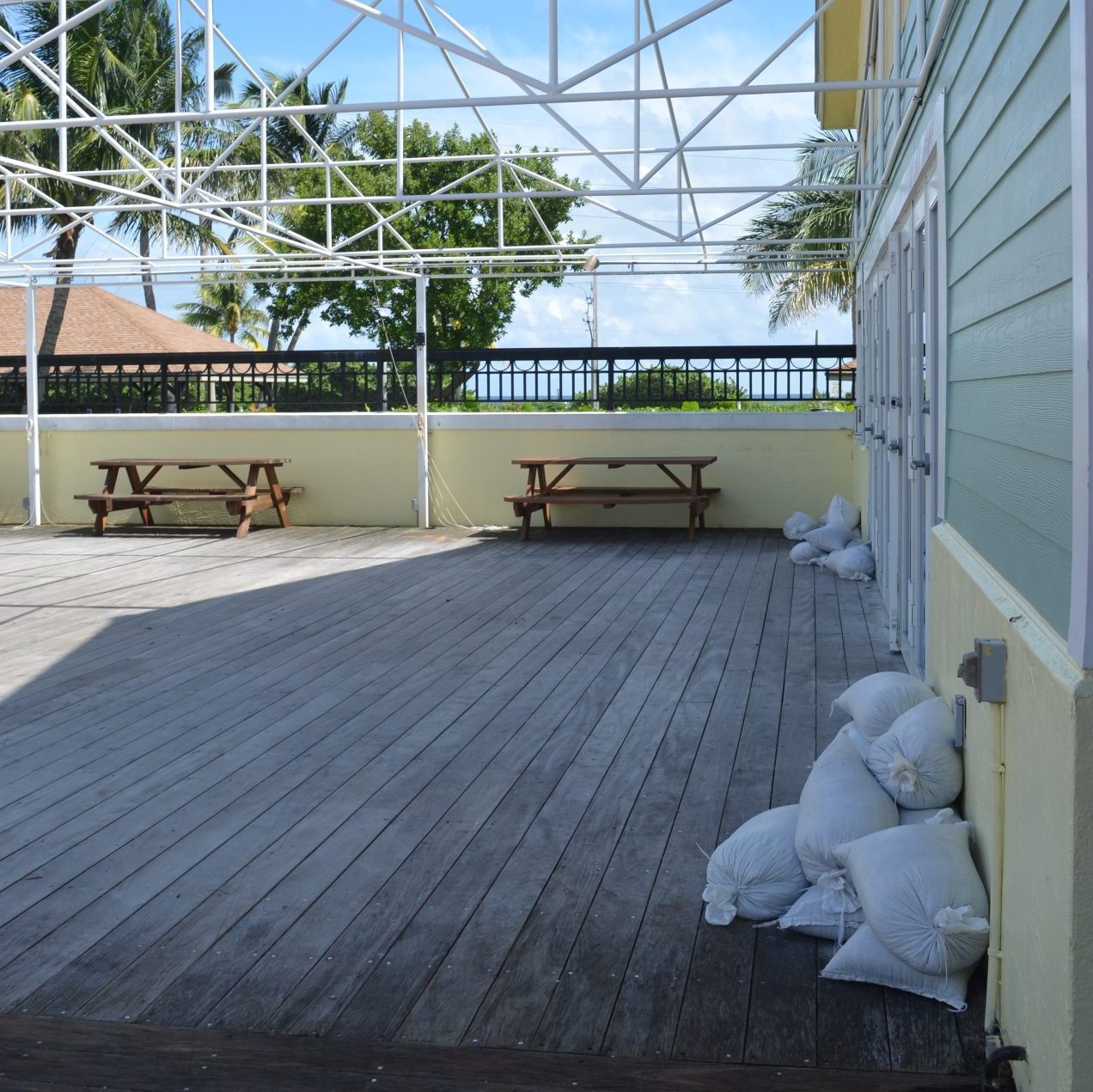
Due to our location, and the specialty care required for our patients, hurricane preparedness starts long before we start seeing something develop out in the tropics. Each year at the start of hurricane season, June 1, the facilities, husbandry and hospital teams begin preparations, just like a lot of Floridians do at home. They make sure key supplies are in place and staff are updated on procedures. Preparations include checking and stocking first aid kits, lanterns, flashlights, sandbags, tarps, coolers and extra batteries, as well as checks of generators.
Then, if we do see something active out in the tropics, the facilities team gets ready to secure items across our campus, while the hospital team works with FWC to decide our course of action for sea turtle patients. Our research department also does final survey of the beach to ensure a final snapshot of the nesting season data is captured before a significant storm, and they pack up any critical samples or sensitive equipment to be safely stored.
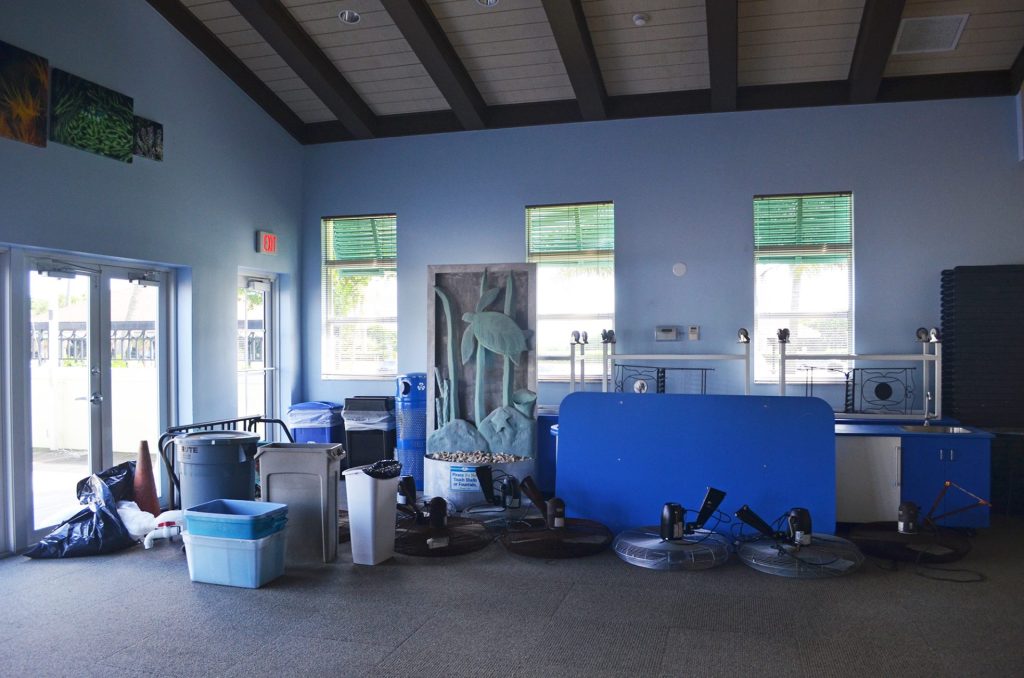
At 3-5 days prior to possible landfall by a major storm, the hospital will release any patients deemed fit by both our veterinary team and FWC. Any patients who need to be relocated will be moved, or if LMC is the safest place for other sea turtle patients from other facilities, accommodations will be made for them to be housed here. The LMC staff will also establish a “ride out team” who will stay with the sea turtle patients and provide any necessary care through the storm. That team also ensures that backup power and oxygen are on hand for the aquariums in the event of a power loss.
Depending on the expected severity of the storm, the sea turtle patients may stay in their hospital pools or be “dry docked” and moved indoors to the portion of the LMC campus rated for the highest level of storms.
Because LMC is in a County Park, if the park is closed for a hurricane watch all staff except that ride out team are required to leave. If a mandatory evacuation for our location (Zone D) is issued, the ride out team is also required to leave campus and all patients will be relocated to FWC facility of choice.
The unpredictability of these tropical storms is a big reason why our team prepares early and carefully monitor the National Hurricane Center NOAA website for updates. There are only a few FWC approved facilities to house sea turtles across the state, so early preparation and communication are key to keeping our staff and patients safe through a storm.