Marine life nonprofit organizations are essential for protecting our ocean ecosystems. They tackle many issues, such as habitat destruction and illegal wildlife trade. These organizations help preserve marine biodiversity and keep our oceans healthy.
Sea turtles are important for the health of our oceans. They help keep marine ecosystems balanced. However, these creatures face many dangers, such as plastic waste, getting caught in fishing gear, and losing their nesting areas. Nonprofits that focus on sea turtle conservation not only protect these animals but also support the health of marine environments.
The Importance of Sea Turtle Conservation
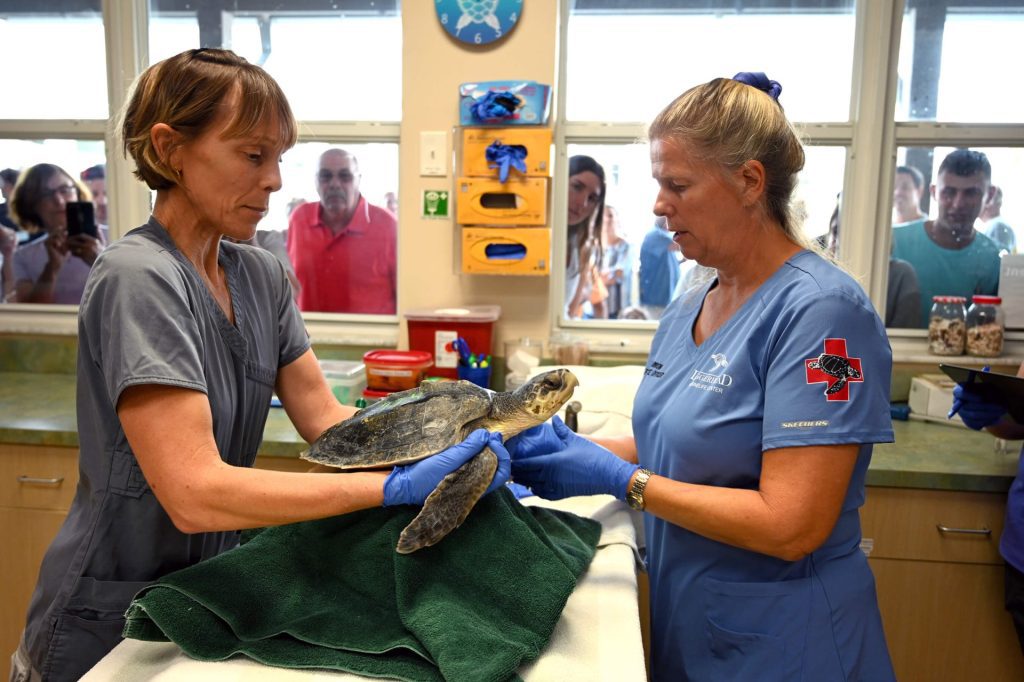
For millions of years, majestic sea turtles have been important for the health of seagrass beds and coral reefs. Their presence supports many other marine species and helps strengthen marine habitats. However, human actions like coastal development, pollution, and illegal poaching put sea turtles at risk.
Marine life nonprofits are essential for their protection. These organizations use different methods to address threats and encourage a sustainable relationship between people and marine life.
These organizations work to protect critical habitats, advocate for laws that shield sea turtles, and involve community support. They also use modern technology to track sea turtle populations and collect important data for effective conservation efforts. Their efforts help sea turtles survive while enhancing our understanding of marine ecosystems and how everything is connected.
Strategic Conservation Efforts by Nonprofits
1. Habitat Preservation
Protecting Crucial Habitats
Marine life nonprofits work hard to protect and restore crucial habitats for sea turtles and many other marine animals. These groups focus on keeping safe coastal areas, like beaches where sea turtles lay their eggs and ocean areas where they feed.
Their efforts include planning and taking action on the ground, such as creating marine protected areas (MPAs) and promoting land use practices that help keep these habitats safe.
Collaborative Efforts and Restoration Projects
Many local governments and international conservation groups work together to create and enforce environmental rules. Rapid development threatens natural habitats in places like the Caribbean and the Pacific.
Nonprofits help set up zoning laws to limit construction near important coastal areas. They also lead restoration projects, like planting native plants to protect dune ecosystems and removing harmful invasive species that endanger the plants and animals vital to turtle habitats.
Maintaining Biodiversity through Direct Actions
Regular beach clean-ups and pollution control projects help keep nesting sites for sea turtles clean. These efforts protect sea turtles directly and support the health of the entire marine ecosystem, which is essential for ecological balance and resilience.
2. Policy Advocacy
Influencing Legislation
Nonprofit organizations that work to protect marine life play a key role in advocating policies that protect sea turtles from various threats caused by human activity.
These groups lobby government officials and participate in international wildlife trade rules meetings. They aim to affect policy by sharing research and data that show the need for protective laws.
Successes in Wildlife Trade Regulation
A vital part of their work is pushing for stronger enforcement of wildlife protection laws and for new laws to tackle emerging threats.
For example, nonprofits played a key role in getting sea turtles included in the Convention on International Trade in Endangered Species of Wild Fauna and Flora (CITES). This has greatly reduced the international trade of turtle products. They also advocate for laws that require changes to fishing gear, such as adding turtle excluder devices, to prevent bycatch, which causes many sea turtle deaths.
3. Community Engagement
Building Conservation-Minded Communities
Getting local communities involved is key to successful conservation. When local residents support and participate, conservation efforts are more sustainable. Nonprofits invest in education and outreach programs to teach communities why marine conservation is important and how they can contribute.
Integrating Conservation with Economic Benefits
In Costa Rica, local communities focus on protecting sea turtles through conservation programs. Nonprofits have created these programs to link conservation with economic benefits like ecotourism and sustainable fishing.
These initiatives protect sea turtles and offer financial support to local people, encouraging them to continue conservation efforts. Educational activities often include school programs, community workshops, and projects that let locals help collect data and conduct research.

Harnessing Technology and Innovation
Utilizing Satellite Tagging and GPS Tracking
Advanced technologies like satellite tagging and GPS tracking are pivotal tools for nonprofits in the conservation of sea turtles. These technologies allow researchers to monitor turtles in real-time, providing critical data that wasn’t previously accessible.
By tracking migration patterns, these tools help scientists understand the routes that turtles take during their long migrations and identify their feeding and breeding grounds. This data is invaluable for creating effective conservation strategies and for international cooperation in marine protection efforts.
Informing Conservation Strategies
The data gathered from tracking technologies do more than just map turtle movements. They also provide insights into these animals’ health status and habitat preferences. This information is crucial for assessing the impact of current conservation measures and for adjusting strategies to protect these vulnerable species better.
For instance, if data shows that fishing areas heavily intersect certain migration paths, conservationists can work with local authorities to regulate fishing practices during migration seasons to reduce bycatch.
Enhancing Monitoring and Protection
These technologies allow for constant monitoring, which helps us respond quickly to potential threats. For example, if a tagged sea turtle enters a dangerous area, like one known for illegal fishing, conservation teams can alert local authorities to take action.
This technology also helps us study how climate change affects sea turtle behavior and habitats, which is important for future planning and efforts to protect them.
Mitigating Threats
Implementing Turtle-Excluder Devices
Nonprofits are leading the way in developing and implementing turtle-excluder devices (TEDs) in fishing nets. These devices are designed to allow sea turtles, which might otherwise be caught in shrimp trawl nets, to escape safely while retaining the catch.
The widespread adoption of TEDs, driven by both policy advocacy and direct action by nonprofits, has been a major success in reducing sea turtles’ accidental capture and mortality during commercial fishing operations.
Modifying Fishing Practices
Beyond TEDs, nonprofits are also working with the fishing industry to develop and promote other modified fishing practices that are less harmful to marine life. This includes using alternative bait and hooks that are less likely to attract sea turtles and adjustments in fishing times and depths that align with the turtles’ migration and feeding patterns.
These practices help balance economic activities with conservation needs, ensuring the sustainable use of marine resources.
Controlling Artificial Lighting
Another significant threat to sea turtles, especially hatchlings, is disorientation caused by artificial lighting near nesting beaches. Nonprofits actively work to minimize this threat by advocating for and helping to implement lighting ordinances that require the use of turtle-friendly lighting fixtures along coasts.
These lights are designed to be less disruptive to turtles, using wavelengths and positioning that reduce the likelihood of disorientation. Education campaigns aimed at coastal communities and businesses highlight the importance of such measures and encourage widespread compliance.
Overcoming Challenges in Marine Conservation
The Challenge of Securing Sustained Funding
Securing sustained funding and resources is one of the most formidable challenges faced by marine life nonprofits. These organizations depend significantly on a fluctuating stream of public donations, government grants, and private philanthropy to fuel their conservation initiatives. The uncertainty and variability in funding can pose serious challenges to planning long-term projects that are crucial for meaningful environmental impact.
Innovative Fundraising Strategies
Many marine life nonprofits have turned to innovative fundraising strategies to counteract these financial challenges. Online crowdfunding campaigns have become a popular method of engaging a broader audience and generating funds quickly for urgent projects. Additionally, hosting charity events such as galas, walks, and auctions can attract significant donations while increasing visibility and support for the cause.
Adoption Programs and Public Engagement
Adoption programs, where individuals can sponsor a sea turtle or a specific conservation project, create a personal connection between donors and the nonprofit’s work, fostering long-term support. These programs often provide updates and detailed reports on how the contributions are making a difference, which helps maintain and even increase donor engagement over time.
Balancing Human and Wildlife Needs
The Complexity of Human-Wildlife Coexistence
Striking a balance between human development and wildlife conservation presents complex and multifaceted challenges. As human populations grow and expand into new areas, the pressure on natural habitats increases, often leading to conflicts between local community needs and conservation goals.
Nonprofits must navigate these complexities to devise solutions that can sustain both human and wildlife populations.
Integrating Ecotourism and Sustainable Practices
A helpful approach is to include ecotourism in local economies. By turning conservation areas into ecotourism spots, nonprofits can create jobs and income for local communities.
Guided tours, wildlife photography, and eco-friendly lodging can bring in good revenue. This income can encourage communities to protect their natural environments.
Community Involvement and Sustainable Development
Moreover, engaging local communities in conservation efforts through dialogue and participatory decision-making processes ensures that the solutions developed are culturally appropriate and widely accepted.
This involvement helps in crafting conservation strategies that respect local traditions and livelihoods while ensuring the sustainability of wildlife populations. Nonprofits often facilitate workshops, community meetings, and educational programs to foster a deeper understanding and commitment to conservation among local residents.
Creating Win-Win Scenarios
Ultimately, the goal is to create win-win scenarios where economic development can proceed without undermining conservation efforts. This involves meticulous planning and, often, innovative approaches like compensation for wildlife damages, community-based natural resource management, and sustainable agricultural practices near conservation sites.
These strategies promote harmony and sustainable coexistence by making sure that both human and wildlife needs are met.

Support the Conservation Effort the Efforts of Marine Life Nonprofit Organizations Today!
Your support—whether through donations, volunteering, or sharing information—can greatly improve the conservation of sea turtles and the ocean environment.
Loggerhead Marinelife Center shows the great work that nonprofits can do for marine life. It is known for its complete approach to saving sea turtles and is recognized as a leader in helping injured marine wildlife, doing research, and educating the public.
Recently, USA Today named Loggerhead Marinelife Center the number one “Best Free Attraction” in the USA as part of the 2024 10 Best Readers’ Choice Awards. The center is a strong example of effective conservation and shows the positive impact that dedicated organizations can have on marine conservation.
Consider visiting Loggerhead Marinelife Center to see its impressive conservation work. Your visit will support these efforts and help you learn more about marine conservation. Plan your visit today!