Sea turtles are fascinating creatures that live in our oceans. These ancient animals have been traveling the world’s seas for millions of years, making long migrations that cover thousands of miles. Their journeys show their great endurance and navigational skills, which are very important for their survival and ability to reproduce.
Understanding sea turtle migration can help us understand the challenges they face and why it’s so important to protect them. When you support sea turtle research, you can help protect these amazing creatures and the environments they need to survive. This guide will explain the secrets of sea turtle migration, including what affects their journeys, their difficulties, and how we can help ensure their survival.
Understanding Sea Turtle Migration
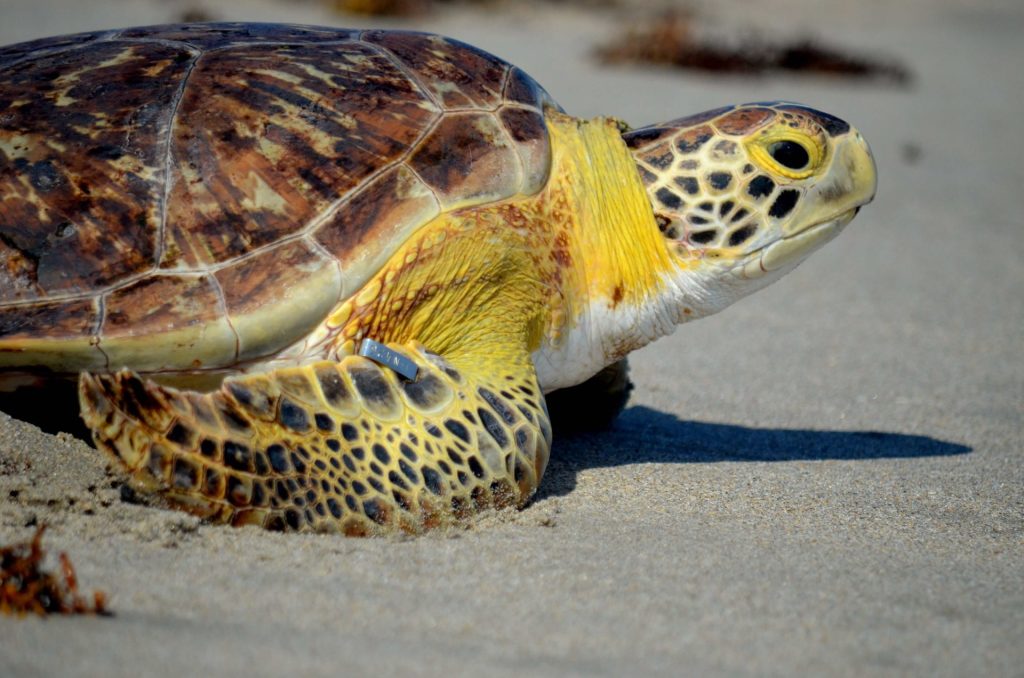
Sea turtles travel long distances, which is very important for their survival. They travel to find food, mate and lay eggs on sandy beaches. Each type of sea turtle has unique migration patterns shaped by environmental factors and their specific needs. Let’s explore the interesting world of sea turtle migration and learn what makes it so special.
The Basics of Sea Turtle Migration
Sea turtle migration is driven by the need to access resources spread out over vast distances. The primary motivations for migration include:
- Feeding: Sea turtles migrate to find food-rich areas to feed on their preferred diet, which varies by species.
- Nesting: Female sea turtles migrate to specific beaches to lay their eggs, often returning to the same beach where they were born.
- Mating: Migration also facilitates mating, as males and females converge on specific locations during the breeding season.
The distances covered during these migrations can be staggering. For instance, some species travel over 10,000 miles a year, crossing entire ocean basins. The timing and routes of these migrations are influenced by environmental cues, such as:
- Water Temperature: Many sea turtles begin migrating when water temperatures change, signaling the start of the breeding season.
- Daylight Length: Changes in daylight length can trigger migratory behavior, particularly as the days get longer or shorter.
- Ocean Currents: Currents are crucial in guiding sea turtles along their migratory paths, helping them efficiently conserve energy and reach their destinations.
The Role of Ocean Currents
Ocean currents are like highways in the ocean, and sea turtles are expert navigators who use these currents to their advantage. These powerful streams of water can carry turtles across vast distances, allowing them to conserve energy during their long migrations. Some of the most important currents for sea turtles include:
- The Gulf Stream: A warm and fast-moving current that flows from the Gulf of Mexico along the eastern coast of the United States and across the Atlantic Ocean. It is a critical route for many species, providing a direct path to feeding and nesting grounds.
- The North Equatorial Current: This current flows westward across the Atlantic and Pacific Oceans, helping turtles migrate between their feeding and nesting sites.
- The Kuroshio Current: Flowing northward off the coast of Japan, this current is used by species like the loggerhead turtle during their migrations.
By riding these currents, sea turtles can travel great distances with less effort, which is crucial for their survival during these long journeys. The currents not only help turtles reach their destinations but also play a role in the dispersal of hatchlings, carrying them to areas where they can find food and grow.
Navigational Abilities of Sea Turtles
One of the most astonishing aspects of sea turtle migration is their ability to navigate the open ocean precisely. Sea turtles have a natural GPS system that helps them find their way across vast distances. Their navigation relies on several key factors:
- Geomagnetic Navigation: Sea turtles can detect the Earth’s magnetic field and use it as a map to guide their journeys. This geomagnetic sense allows them to identify their location and maintain their course during migration.
- Solar Navigation: Sea turtles may use the sun’s position to help them orient themselves during their migrations. This method is particularly useful when they are closer to the surface and can see the sun’s position.
- Olfactory Cues: Some studies suggest that sea turtles might use their sense of smell to recognize specific water masses or even the beaches where they were born. This olfactory sense could help them locate their nesting sites after long migrations.
- Wave Orientation: Hatchlings, in particular, are believed to use wave direction to help them orient toward the open ocean after emerging from their nests.
These navigational abilities allow sea turtles to undertake some of the longest migrations in the animal kingdom, often traveling from one side of an ocean basin to the other. Despite the vastness of the ocean and the challenges posed by changing conditions, sea turtles are remarkably successful in finding their way to their destination.
Migration Routes of Different Species
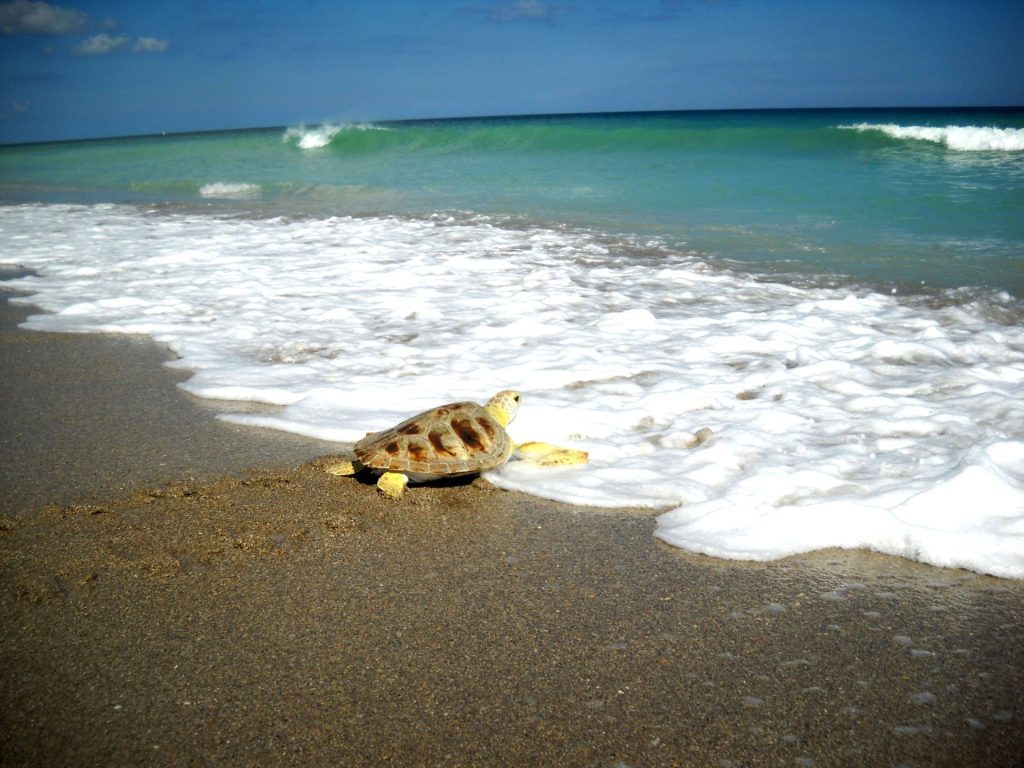
Each sea turtle species has its unique migration routes, which are determined by their specific needs and the availability of resources. Some notable examples include:
- Leatherback Turtles: Known for the longest migrations of any sea turtle species, leatherbacks can travel from the cold waters of Canada’s Atlantic coast to the warm Caribbean Sea to nest. These journeys can cover distances of over 12,000 miles round trip.
- Loggerhead Turtles: These have one of the widest migration ranges, with populations in the Atlantic, Pacific, and Indian Oceans. For example, loggerheads nesting in Japan migrate across the Pacific to feeding grounds off the coast of Mexico and the United States.
- Green Turtles: Green turtles migrate between their feeding grounds in coastal areas and their nesting sites on tropical beaches. For instance, green turtles from the Great Barrier Reef travel to nesting sites in the southern Pacific.
- Hawksbill Turtles: These turtles often migrate between coral reefs, where they feed and nest on beaches on isolated islands. Their migrations are typically shorter than other species but are still essential for survival.
The migration routes sea turtles choose are influenced by environmental factors and the species’ specific ecological needs. These routes can span entire ocean basins, making sea turtle migration one of Earth’s most remarkable natural phenomena.
The Impact of Climate Change on Migration
Climate change poses a significant threat to sea turtle migration, affecting their routes and overall survival. Some of the key impacts include:
- Rising Ocean Temperatures: Warmer ocean temperatures can disrupt migration timing, leading to mismatches between the turtles’ arrival at feeding or nesting sites and the availability of food or suitable nesting conditions.
- Shifting Currents: Climate change is causing shifts in ocean currents, which can alter the migratory routes that sea turtles have relied on for centuries. These changes can lead to longer migrations or force turtles into less favorable conditions.
- Sea Level Rise: Rising sea levels threaten nesting beaches, leading to the loss of critical nesting habitat. Erosion and flooding can wash away nests, reducing hatchling survival rates.
- Increased Storm Frequency: More frequent and intense storms can destroy nesting beaches and disrupt migration patterns. Hurricanes, in particular, can cause widespread damage to coastal habitats vital for sea turtles.
These changes create new challenges for sea turtles, making it more difficult to complete their migrations successfully. As climate change continues to impact the world’s oceans, conserving sea turtles and their habitats becomes increasingly urgent.
The Importance of Nesting Beaches
Nesting beaches are crucial to the survival of sea turtles, as these are the only places where females can lay their eggs. The selection of a nesting site is influenced by various factors, including:
- Beach Temperature: The temperature of the sand on nesting beaches plays a critical role in determining the sex of the hatchlings. Warmer sands produce more females, while cooler sands produce more males.
- Sand Quality: The quality of the sand is important for the successful incubation of eggs. Sand that is too coarse or too compacted can hinder the development of embryos, while the right consistency helps maintain the proper temperature and humidity levels.
- Proximity to Feeding Grounds: Nesting sites near feeding grounds allow females to conserve energy, making migrating between the two areas easier.
Some species, like the loggerhead turtle, exhibit natal homing, returning to the same beach where they were born to lay their eggs. This behavior underscores the importance of protecting specific nesting sites, as the loss of these beaches can significantly impact sea turtle populations.
Feeding Grounds and Their Significance
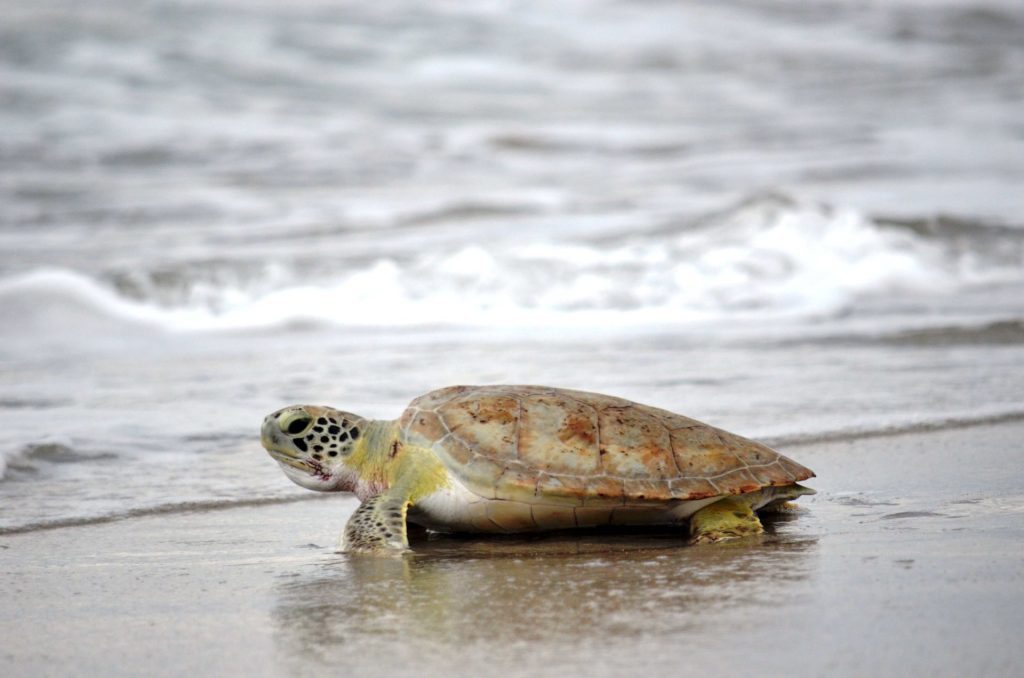
Feeding grounds are vital for sea turtles, providing the nutrients they need to survive, grow, and reproduce. The significance of these areas varies by species:
- Green Turtles: Green turtles are herbivores that feed primarily on seagrass and algae. Their feeding grounds are typically located in shallow coastal areas with abundant seagrass beds.
- Leatherback Turtles: Leatherbacks eat mainly jellyfish. Their feeding grounds are often located in deeper, open ocean waters with high jellyfish populations.
- Hawksbill Turtles: Hawksbills feed on sponges and other invertebrates found in coral reefs. Protecting coral reefs is essential for the survival of hawksbill turtles, as these ecosystems provide their primary food source.
- Loggerhead Turtles: Loggerheads have a more varied diet, including crustaceans, mollusks, and fish. They often feed in areas with abundant marine life, such as estuaries and coastal bays.
The health and availability of feeding grounds are directly linked to sea turtles’ reproductive success. A decline in food resources can lead to lower reproductive rates and affect the population’s overall health.
Human Impacts on Sea Turtle Migration
Human activities profoundly impact sea turtle migration, posing significant challenges to their survival. Some of the most pressing issues include:
- Coastal Development: The construction of hotels, resorts, and other beach infrastructure can destroy or degrade nesting sites, making it difficult for sea turtles to find suitable places to lay their eggs.
- Pollution: Marine pollution, particularly plastic waste, severely threatens sea turtles. Turtles often mistake plastic for food, leading to ingestion, injury, or death. Pollution can also affect the quality of feeding grounds and nesting beaches.
- Bycatch: the accidental capture of sea turtles in fishing gear is a major cause of sea turtle mortality. Longline fishing, trawling, and gillnets are particularly problematic, as they can entangle turtles and prevent them from reaching the surface to breathe.
- Artificial Lighting: Artificial lights from coastal developments can disorient hatchlings, causing them to move away from the ocean instead of toward it. This increases their vulnerability to predators and reduces their chances of survival.
Addressing these human impacts is critical for protecting sea turtle migration routes and ensuring the long-term survival of these species.
Conservation Efforts to Protect Migration Routes
Conservation efforts are essential for safeguarding sea turtle migration routes and ensuring the survival of these ancient mariners. Organizations are implementing several key strategies:
- Protected Areas: Establishing marine protected areas (MPAs) that include important feeding grounds and nesting beaches is crucial for providing safe habitats for sea turtles.
- Bycatch Reduction: Developing and promoting turtle-excluder devices (TEDs) in fishing gear can significantly reduce the number of sea turtles caught as bycatch. These devices allow turtles to escape from fishing nets while capturing target species.
- Beach Protection: Conservation organizations work to protect nesting beaches by implementing measures such as restricting coastal development, managing beach erosion, and controlling human access during nesting season.
- Public Education: Raising awareness about sea turtles’ threats and the importance of conservation is key to gaining public support. Educational programs, beach cleanups, and volunteer opportunities help engage communities in sea turtle conservation.
These efforts are making a difference, but continued support is needed to effectively protect sea turtles and their migration routes.
How You Can Support Sea Turtle Research
Supporting sea turtle research is one of the most effective ways to contribute to conserving these incredible animals. Research is crucial in understanding sea turtle behavior, identifying critical habitats, and developing strategies to protect them. Here’s how you can get involved:
- Donations: Financial contributions to organizations fund vital research projects, such as tracking sea turtle migration routes, studying nesting behaviors, and assessing the impacts of climate change on sea turtles.
- Volunteering: Many organizations offer volunteer opportunities for individuals to participate in sea turtle monitoring programs, beach cleanups, and rehabilitation efforts. Volunteering is a hands-on way to support conservation and make a tangible impact.
- Advocacy: You can advocate for policies that protect sea turtles by contacting your local representatives, supporting legislation that protects marine habitats, and raising awareness about the importance of sea turtle conservation.
- Responsible Tourism: When visiting coastal areas, choose eco-friendly accommodations, avoid disturbing nesting beaches, and participate in sustainable tourism activities that support sea turtle research and conservation.
By taking these actions, you can directly help ensure the survival of sea turtles and support the research vital to their conservation.

Get Involved! Support Sea Turtle Research!
For those inspired by the incredible journeys of sea turtles, visiting Loggerhead Marinelife Center offers a unique opportunity to learn more and contribute to their conservation. The center is dedicated to sea turtle research and conservation and provides a family-friendly experience where you can:
- Observe Sea Turtles Up Close: See sea turtles in various stages of rehabilitation and learn about the challenges they face in the wild.
- Participate in Educational Programs: Engage in interactive exhibits and educational programs that highlight the importance of sea turtle conservation and Loggerhead Marinelife Center’s role in these efforts.
- Support Sea Turtle Research: Your visit helps fund the research and conservation initiatives needed to protect sea turtles and their habitats.
Whether you are a resident or a visitor, Loggerhead Marinelife Center provides a memorable experience that combines education, conservation, and the opportunity to support sea turtle research. Visit us today!