Florida is home to some of the most beautiful marine life in the world, including the magnificent sea turtles that grace our shores. These gentle creatures, however, are under threat from numerous human activities that many of us may not even realize are causing harm.
As you set out on a Florida Marine Life Tour, you might be surprised to learn that everyday actions, from how you dispose of your trash to the sunscreen you use, can have a significant impact on the survival of these endangered species. Sea turtles play a vital role in maintaining the health of marine ecosystems, and it’s up to us to protect them.

Understanding Sea Turtles: Marvels of the Ocean
Sea turtles are among the most ancient creatures on Earth, with a lineage that dates back over 110 million years. These remarkable reptiles have survived natural changes that wiped out the dinosaurs, making them one of the ocean’s true survivors. Yet, despite their resilience, sea turtles face numerous threats in today’s world, many of which are human induced. Understanding more about these fascinating creatures is the first step in helping to protect them.
The Life Cycle of Sea Turtles
The life of a sea turtle is an extraordinary adventure that begins when a female turtle lays her eggs on a sandy beach, typically at night. After about 60 days, the tiny hatchlings emerge from their nests and make the perilous trek to the ocean. Only a small fraction of these hatchlings will survive to adulthood, as they face numerous predators and challenges both on land and in the water.
Sea turtles are known for their long migrations between feeding grounds and nesting beaches. Some species travel thousands of miles across the oceans to return to the very beach where they were born, a phenomenon known as natal homing. This incredible instinct is one of the many mysteries that scientists continue to study.
The Role of Sea Turtles in Marine Ecosystems
Sea turtles play a crucial role in maintaining the health of marine ecosystems. For example, green turtles are herbivores and primarily feed on seagrasses. By grazing on these underwater plants, they help keep seagrass beds healthy and productive, which in turn supports other marine life, such as fish and crustaceans.
Loggerhead turtles, on the other hand, have powerful jaws that allow them to feed on hard-shelled prey like crabs and mollusks. By keeping these populations in check, loggerheads contribute to a balanced marine ecosystem. Leatherback turtles, the largest of all sea turtles, feed almost exclusively on jellyfish, helping to control jellyfish populations, which can explode and disrupt marine environments when unchecked.
Threats to Sea Turtle Populations
Despite their importance, sea turtles are facing severe threats that have led to the decline of many populations around the world. The primary threats include habitat destruction, climate change, poaching, accidental capture in fishing gear (bycatch), and pollution, particularly from plastics. Each of these threats has the potential to drastically reduce sea turtle numbers and disrupt the delicate balance of marine ecosystems.
Climate change is particularly concerning as it affects both the nesting sites and the sex ratio of hatchlings. Sea turtles’ gender is determined by the temperature of the sand where the eggs are incubated. While warmer temperatures result in more females, cooler temperatures produce more males. As global temperatures rise, the skewed sex ratios could impact future breeding populations.

Sea Turtle Conservation Efforts
Many organizations around the world are working tirelessly to protect sea turtles and their habitats. Conservation efforts include protecting nesting sites, rehabilitating injured turtles, and conducting research to understand their behaviors and needs better. Public awareness and education are also crucial components of these efforts, as informed communities are better equipped to protect these creatures.
With this understanding of sea turtles, we can now explore the ways in which our everyday actions, often unknowingly, can harm these magnificent creatures. By making simple changes, we can all contribute to their survival and ensure that these ocean marvels continue to thrive for generations to come.
Things You Might Be Doing That Inadvertently Harm Sea Turtles
Ignoring the Impact of Plastic Waste
Plastic pollution is one of the biggest threats to sea turtles. These creatures often mistake plastic bags and other debris for food, leading to ingestion that can be fatal. A single plastic bag floating in the water can look like a jellyfish, a favorite food of many sea turtle species.
Once ingested, plastic can cause blockages in their digestive systems, leading to starvation and death. Even small pieces of plastic, such as bottle caps and straws, can be harmful when consumed. Reducing your plastic use and properly disposing waste are crucial steps in protecting sea turtles from this deadly threat.
Using Harmful Sunscreens
Many people don’t realize that the sunscreen they apply can be harmful to sea turtles and other marine life. Sunscreens that contain oxybenzone and octinoxate are particularly harmful as they can wash off into the ocean and disrupt the development of sea turtle eggs and coral reefs.
These chemicals can cause deformities in turtle embryos and increase the likelihood of coral bleaching, which in turn affects the entire marine ecosystem. Opting for reef-safe sunscreens that do not contain these harmful chemicals can help protect sea turtles and the habitats they rely on.
Disposing of Fishing Gear Improperly
Fishing gear, such as nets, lines, and hooks, poses a significant threat to sea turtles. When these items are discarded improperly, they can entangle turtles, leading to injury or death. Sea turtles can become trapped in fishing nets, preventing them from reaching the surface to breathe.
They can also swallow fishing hooks or become entangled in fishing lines, which can cause severe injuries or even lead to drowning. Properly disposing of fishing gear and participating in beach clean-ups can help reduce this threat.
Leaving Beach Furniture on the Shore
Beach furniture and other items left on the shore overnight can create obstacles for nesting sea turtles and their hatchlings. Female turtles returning to the beach to lay eggs can become trapped or disoriented by beach chairs, umbrellas, and other objects.
Hatchlings, which emerge at night, can also become trapped or lose their way to the ocean. To help protect nesting turtles, remove all items from the beach at night and be mindful of the nesting season in your area.
Using Artificial Lighting on Beaches
Artificial lighting near beaches can disorient sea turtles, particularly hatchlings. These young turtles rely on the natural light of the moon to guide them to the ocean after hatching. When artificial lights are present, they can become confused and head in the wrong direction, away from the sea.
This increases their risk of predation, dehydration, and death. To protect sea turtles, reduce artificial lighting during nesting season or use turtle-friendly lighting that minimizes disruption to these creatures.
Participating in Balloon Releases
Balloon releases are often seen as a harmless way to celebrate an event, but the consequences for sea turtles can be devastating. When balloons are released, they eventually fall back to Earth, often ending up in the ocean.
Sea turtles can mistake balloons for jellyfish and ingest them, leading to blockages in their digestive systems. The ribbons attached to balloons can also entangle turtles, leading to injury or death. Instead of releasing balloons, consider alternative ways to celebrate that do not harm marine life.
Feeding Sea Turtles
While feeding sea turtles may seem harmless or even kind, this practice can actually be harmful. Feeding turtles can cause them to associate humans with food, leading to dangerous interactions.
Sea turtles may approach boats or shorelines in search of food, increasing their risk of injury from boat strikes or entanglement in fishing gear. Feeding can also disrupt their natural diet, leading to health problems. It’s important to admire sea turtles from a distance and avoid feeding them to ensure their safety and well-being.

Disturbing Turtle Nests
Turtle nests are delicate and easily disturbed by human activity. Walking on nests, digging in the sand, or allowing pets to roam freely on the beach can all cause damage to turtle nests, leading to the loss of eggs or hatchlings.
Even well-meaning attempts to help hatchlings can be harmful if done incorrectly. To protect turtle nests, avoid marked nesting areas and educate others on the importance of leaving nests undisturbed.
Using Single-Use Plastics
Single-use plastics, such as straws, cups, and utensils, contribute significantly to ocean pollution and pose a threat to sea turtles. These items can easily end up in the ocean, where turtles can ingest or become entangled in them.
By reducing your use of single-use plastics and opting for reusable alternatives, you can help reduce the amount of plastic waste that ends up in the ocean, protecting sea turtles and other marine life.
Driving on the Beach
Driving on the beach can significantly impact sea turtle populations. Vehicles can crush nests, compact the sand, and create deep ruts that can trap hatchlings as they make their way to the ocean.
Driving on the beach also disturbs the natural habitat, making it less suitable for nesting. If driving on the beach is permitted in your area, be sure to follow guidelines and avoid areas where sea turtles are known to nest.
Taking Sea Turtle Eggs
In some cultures, sea turtle eggs are considered a delicacy, leading to illegal harvesting and a significant decline in sea turtle populations. Removing eggs from nests not only reduces the number of hatchlings but also disrupts the natural balance of the ecosystem.
Laws protecting sea turtles and their eggs are in place in many areas, and it’s important to respect these regulations to ensure the survival of these species.
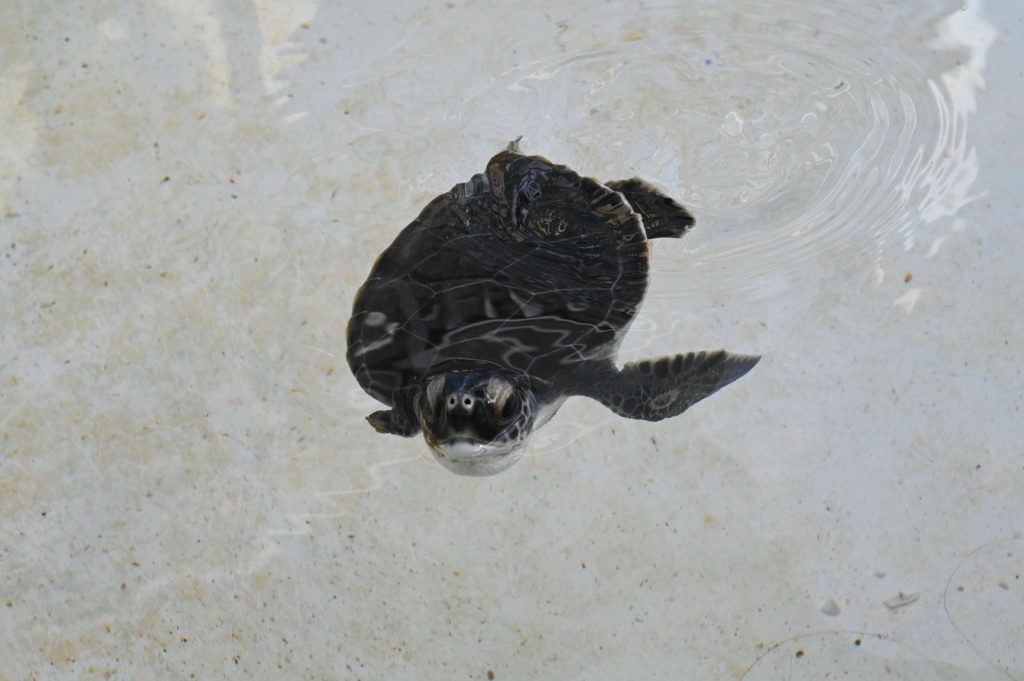
Visit Us on a Florida Marine Life Tour!
Sea turtles are an essential part of our marine ecosystems, and their survival depends on our actions. By being mindful of the ways in which we can harm these creatures and making conscious efforts to change our behaviors, we can ensure that future generations will continue to marvel at these majestic animals. By understanding the impact of our actions and making small changes, we can all contribute to the protection of sea turtles.
Loggerhead Marinelife Center offers numerous opportunities to get involved in conservation efforts. From educational programs to volunteer opportunities, you can play an active role in preserving the habitats and lives of these incredible creatures.
Visiting the center on a Florida Marine Life Tour allows you to see firsthand the impact of conservation work and learn more about how you can help protect sea turtles. Contact us today!