
Seeing a sea turtle on the beach is a magical moment, but knowing how to react is crucial to their safety and conservation. Sea turtles, especially during nesting season, are vulnerable and need our respect and protection. It doesn’t matter if you encounter a nesting mother or newly hatched babies – it’s best to know the right actions to take—and what to avoid.
Understanding these guidelines can help ensure these incredible creatures continue to thrive. You can contribute to ongoing efforts to protect these magnificent animals by learning the dos and don’ts, such as participating in a sea turtle hatchling release in Florida.
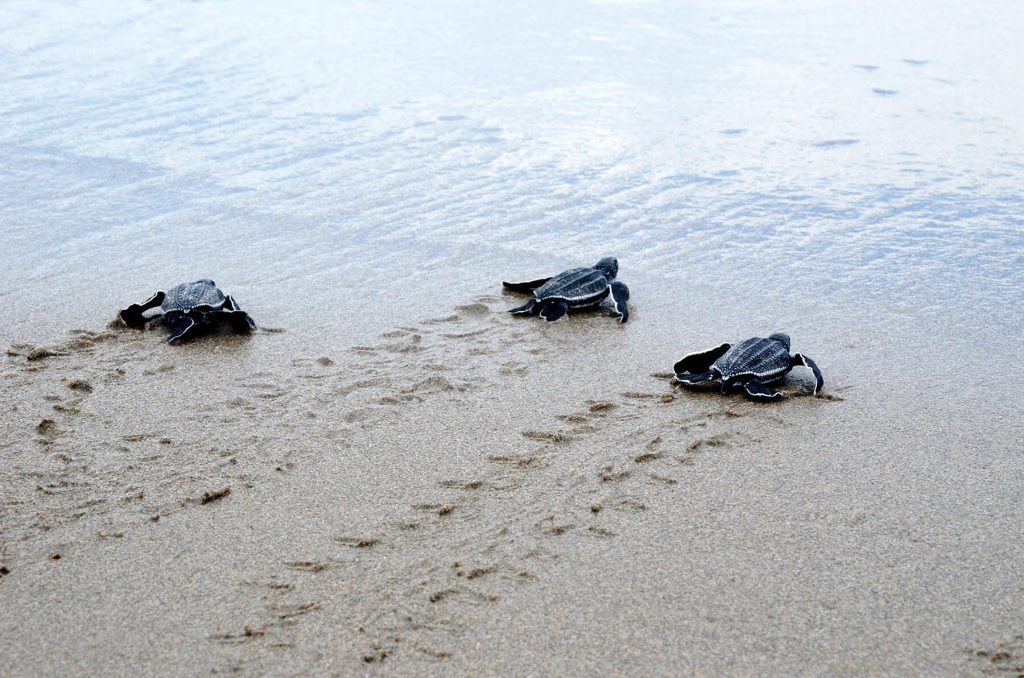
How to Respond When You Find a Sea Turtle
Finding a sea turtle on the beach can be a thrilling experience, but it’s important to respond correctly to avoid causing harm. Here are some key steps to follow when you encounter a sea turtle:
1. Keep Your Distance
Human presence easily disturbs sea turtles, especially when nesting or hatching. The best thing you can do is give them space.
- Stay Quiet and Calm: Sea turtles are sensitive to noise and movement. Speak softly and avoid sudden movements that could startle them. When a nesting turtle is scared, she may abandon her attempt and return to the sea without laying her eggs. This is a significant loss, as every egg is vital in sustaining sea turtle populations. Even slight disruptions, such as loud talking or sudden camera flashes, can cause distress.
- Avoid Touching or Approaching: Never touch or attempt to move a sea turtle. Physical contact can stress the animal and interfere with its natural behavior. This includes touching their shells or flippers or even attempting to guide them. While you may feel tempted to help a hatchling or move a stranded turtle, doing so can cause more harm than good. Sea turtles have delicate routines, especially during nesting, and your presence could alter their course or prevent them from laying eggs entirely.
- Observe from a Safe Distance: Maintain a distance of at least 10 feet (3 meters). Use binoculars if you want a closer look, but keep your distance to minimize disturbance. Getting too close can expose you to potential dangers, such as bites or scratches from a scared or defensive turtle. This distance helps ensure the turtle can complete her natural activities without human interference.
2. Turn Off Lights and Minimize Light Pollution
Lights can disorient sea turtles, especially hatchlings trying to find their way to the ocean.
- Avoid Using Flashlights or Flash Photography: Bright lights can confuse turtles, leading them away from the water. If you must use a light, use a red-filtered flashlight for wildlife viewing. These lights are less intense and do not disrupt the turtles’ navigation ability. Standard flashlights, car headlights, and even the glow from cell phones can mislead turtles, causing them to head inland instead of toward the safety of the sea.
- Turn Off Nearby Lights: If you’re at a beach house or near an area with outdoor lighting, turn off unnecessary lights to reduce sky glow, which can disorient sea turtles. Artificial lighting is particularly harmful during nesting season, as it can prevent females from coming ashore or cause hatchlings to crawl in the wrong direction. Sky glow from urban developments can stretch miles, confusing hatchlings who instinctively head towards the brightest horizon—the ocean.
- Close Blinds and Curtains: If you live near the beach, closing blinds and curtains at night helps reduce light pollution that can confuse nesting turtles and hatchlings. By reducing interior lights, you help maintain the natural darkness that sea turtles rely on for safe nesting. Even small changes, like using motion-sensor lights or shielded fixtures, can make a big difference.
3. Protect Nesting Turtles
Nesting is a delicate process that requires the utmost care and minimal interference. If you encounter a nesting turtle, protecting her space is vital.
- Do Not Approach or Interrupt: If disturbed, a nesting turtle can abandon her nesting attempt. Avoid approaching, making noise, or shining lights near her. The nesting process involves several critical steps: finding the right spot, digging the nest, laying eggs, and camouflaging the nest with sand. Each step is essential for the survival of the eggs. Disturbances during this time can lead to poorly covered nests, making them more vulnerable to predators and environmental elements.
- Do Not Shine Lights on the Turtle: Light can cause a turtle to abandon her nesting process or improperly cover her eggs. This behavior can result in exposed eggs, making them more vulnerable to predators like raccoons, birds, and crabs. It’s also essential for the hatchlings’ future survival, as a poorly camouflaged nest is at a higher risk of being dug up or washed away by tides.
- Allow the Turtle to Finish Nesting: Give her the time she needs to dig her nest, lay her eggs, and cover the nest with sand. Disturbing her could impact the nest’s success and the survival rate of the hatchlings. Sea turtles have survived for millions of years because of their natural nesting instincts. Allowing them to complete this process without interference is crucial for maintaining healthy populations.
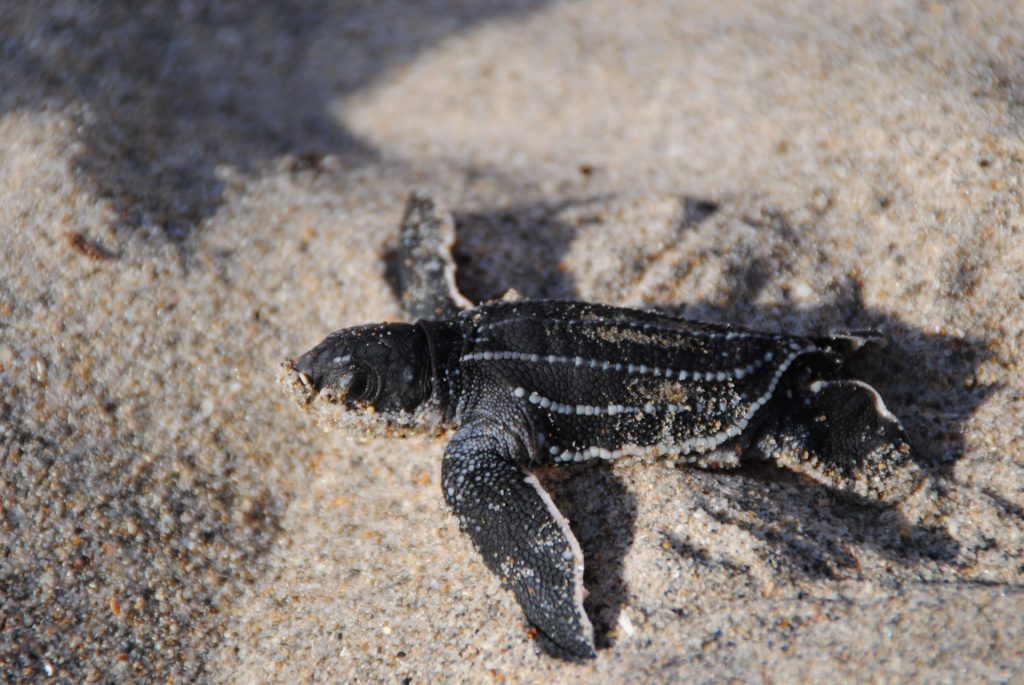
How to Help Hatchlings Safely Reach the Ocean
Hatchlings emerging from their nests face numerous challenges. While it’s tempting to intervene, the best action is often to let nature take its course.
1. Let Hatchlings Crawl to the Water on Their Own
Hatchlings rely on crawling to the ocean to build strength. While it’s tempting to assist, it’s crucial to let them make their way independently.
- Do Not Pick Up or Move Hatchlings: They must crawl into the ocean to develop essential muscle strength and correctly orient themselves. This crawl is crucial for their survival, as it imprints vital cues into their memory that will guide them back to their natal beaches when it’s their turn to nest. Picking them up interrupts this process, making it harder for them to find their way back as adults.
- Clear Obstacles in Their Path: If large holes, litter, or beach furniture block their path, carefully remove these obstacles without interfering with the hatchlings. Things like plastic bags, cans, or even beach toys can act as barriers. A clear, smooth path increases their chances of reaching the ocean quickly, reducing the risk of predation or exhaustion.
- Minimize Light Sources: Keep all lights off or use red lights if necessary. Hatchlings are drawn to the natural light on the horizon, guiding them to the ocean. Disorienting them with artificial light can lead to fatal outcomes, as they can end up stranded, dehydrated, or preyed upon. You can help by alerting others on the beach to keep lights off and by ensuring your beach area is as dark as possible.
2. Avoid Digging in the Sand Near Nests
Digging on the beach can accidentally uncover sea turtle nests, endangering the eggs or newly hatched turtles.
- Avoid Digging in Dune Areas: Dunes are prime nesting spots for sea turtles. Stay clear of these areas to protect potential nests. Sea turtle nests are often difficult to spot as they blend well with the surrounding sand. Even small activities like digging a shallow pit can disrupt nests, expose eggs, or make it easier for predators to find them.
- Fill in Holes After Digging: If you dig a hole for beach fun, fill it in before leaving. Unfilled holes can trap turtles, making it difficult for them to reach the water and pose a danger to beachgoers at night. For sea turtles, especially hatchlings, these holes act as barriers that can lead to exhaustion and even death if they cannot escape.
- Knock Down Sand Castles: Flattening sand castles can also help reduce obstacles for nesting turtles and hatchlings. Sand structures, especially those with deep moats, can trap hatchlings or make it more challenging for nesting turtles to find suitable nesting sites.
3. Report Distressed or Disoriented Turtles
If you see a sea turtle that appears injured, trapped, or struggling, report it to local authorities or a marine conservation organization.
- Do Not Attempt to Rescue the Turtle Yourself: Handling sea turtles without proper training and permits is illegal and can cause further harm to the animal. Injured turtles, especially those entangled in fishing gear or showing signs of illness, require professional care. Untrained handling can exacerbate their injuries or introduce infections.
- Contact Local Wildlife Authorities: In Florida, you can call the Florida Fish and Wildlife Conservation Commission (FWC) at 1-888-404-FWCC for assistance with stranded or distressed turtles. Many areas also have local turtle rescue hotlines or volunteer networks that can respond quickly to emergencies.
- Provide Precise Details: Be prepared to describe the turtle’s location, condition, and any visible injuries or signs of distress. Detailed information helps rescue teams respond effectively and provide the best care possible. Include details like landmarks, nearby access points, and any immediate threats, such as predators or approaching tides.
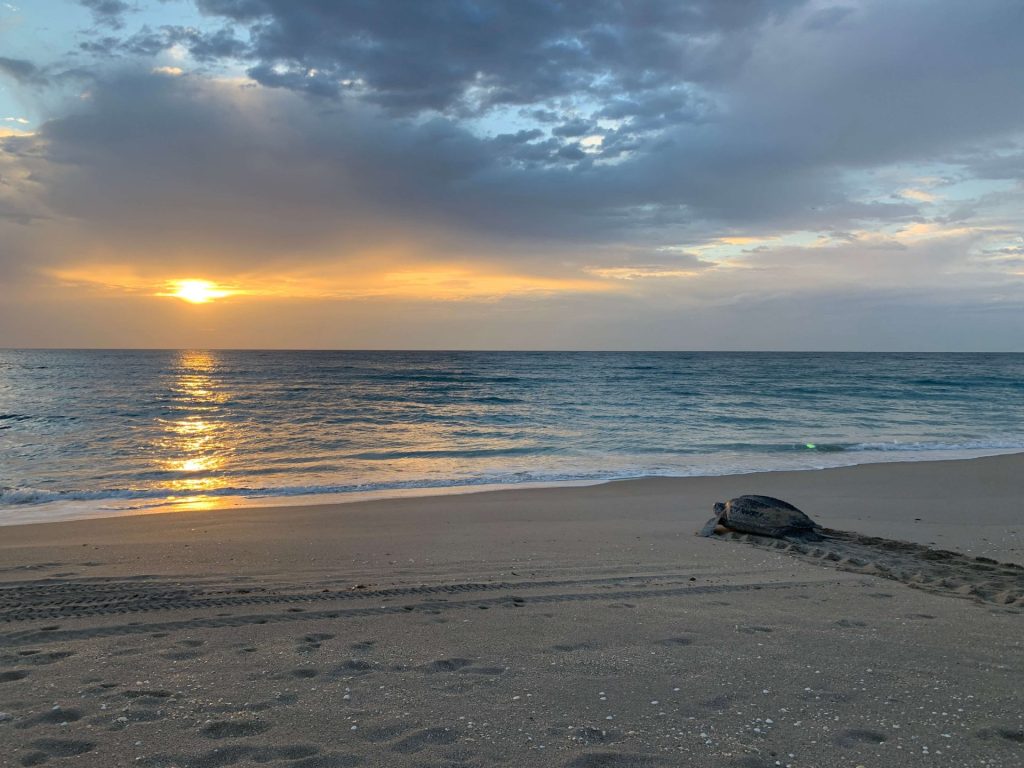
Best Practices During Sea Turtle Nesting Season
During the nesting season, from March 1 to October 31, Florida’s beaches become prime nesting grounds for sea turtles. To ensure their safety, here are some additional guidelines:
1. Don’t Leave Beach Furniture and Trash on the Beach
Items left on the beach can become dangerous obstacles for sea turtles.
- Remove Beach Furniture at Night: Umbrellas, chairs, and other items can obstruct turtles as they go up the beach or hatchlings trying to reach the ocean. These items can be barriers, causing turtles to expend extra energy or abandon nesting attempts altogether.
- Dispose of Trash Properly: Litter can entangle or injure sea turtles. Always clean up after yourself, and avoid leaving any trash behind. Items like plastic bags, straws, and discarded fishing lines pose a significant threat, often being mistaken for food and leading to choking or ingestion.
2. Avoid Beach Driving
Driving on the beach can damage sea turtle nests and harm turtles.
- Only Drive Where Permitted: Stay clear of dune areas and marked nesting sites if beach driving is allowed. Tire tracks can trap hatchlings, making it difficult for them to reach the ocean. Even small tracks can become insurmountable barriers for hatchlings.
- Watch for Marked Nests: Avoid marked nesting areas, usually indicated with posts, tape, or signage. These areas are protected, and disturbance can harm the eggs and hatchlings. Damage to nests can significantly reduce hatchling survival rates, impacting future sea turtle populations.
3. Respect Beach Closures and Signage
During nesting season, some beaches may have restricted areas to protect sea turtles and their nests.
- Observe All Posted Signs and Regulations: Pay attention to signs indicating protected areas or restricted access due to sea turtle nesting. These measures protect both the turtles and their fragile habitats. Adhering to these restrictions helps ensure that sea turtles have safe, undisturbed spaces for nesting.
- Follow Local Guidelines: During nesting season, be aware of local beach regulations and adhere to them strictly to support sea turtle conservation. Respecting these guidelines helps ensure a safer environment for nesting turtles and hatchlings. Simple actions like keeping pets on leashes or avoiding certain beach areas can make a big difference.
4. Support Sea Turtle Conservation Efforts
Protecting sea turtles is a shared responsibility that extends beyond the beach. There are many ways you can get involved and support sea turtle conservation:
- Participate in Beach Cleanups: Keeping beaches clean helps reduce the risk of injury and entanglement for sea turtles. Regular cleanups also help remove debris that could impact nesting success. Organized cleanups often occur during nesting season, providing an excellent opportunity to contribute directly to sea turtle protection.
- Educate Others: Sharing your knowledge about sea turtle conservation with friends, family, and fellow beachgoers can help spread awareness and encourage responsible behavior. The more people understand the importance of protecting sea turtles, the more we can do to ensure their survival.
- Support Conservation Organizations: Many organizations dedicate their efforts to sea turtle conservation through research, rescue, and public education. Consider donating or volunteering your time to support these vital programs. Your involvement helps fund critical research and rehabilitation projects directly impacting sea turtle survival.
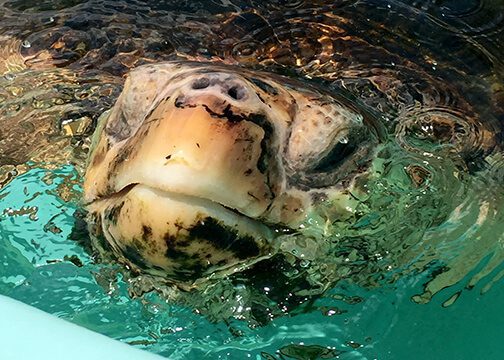
What to Do If You Accidentally Hook a Sea Turtle While Fishing
Encountering a sea turtle doesn’t only happen on the sand, it can happen at the end of a fishing line, too. Along Florida’s coast, anglers occasionally hook a sea turtle by accident, and knowing how to respond can mean the difference between a full recovery and a serious injury.
If you hook a sea turtle, don’t cut the line at the hook and don’t attempt to remove the hook yourself. Instead, keep the turtle in the water if it’s safe to do so, reel in slowly and steadily to avoid deepening the injury, and leave as much line attached as possible so a trained responder has something to work with. Call the FWC’s Wildlife Alert Hotline at 1-888-404-FWCC immediately, and stay nearby (at a safe distance) until help arrives or you’re told it’s safe to leave. Reporting the incident, even if the turtle swims off seemingly fine, helps researchers track hook-related injuries along the coast.
Experience a Sea Turtle Hatchling Release in Florida
If you’re searching for a sea turtle hatchling release in Florida, you’re in luck, Juno Beach is one of the highest-density nesting beaches in the world, and hatchling releases are a regular part of nesting season here. After a nest’s incubation period ends, our team performs a nest excavation, carefully checking for any hatchlings that didn’t make it out on their own and recording data critical to nesting research.
Loggerhead Marinelife Center hosts seasonal, ranger-led hatchling release experiences that let visitors watch (from a safe, respectful distance) as hatchlings make their journey to the sea. Spots are limited and dates shift with nest timing, so check our program calendar to find a release near you and reserve your spot in advance.
Participate in Sea Turtle Hatchling Release in Florida!
Visit Loggerhead Marinelife Center to learn more about sea turtle conservation or to participate in hands-on programs like the sea turtle hatchling release. Your involvement helps protect these remarkable creatures and supports ongoing efforts to safeguard sea turtles for future generations.