Sea turtles are amazing ocean creatures. They have existed for over 100 million years and exhibit qualities like resilience and balance. Watching their behavior can teach us how to deal with life’s challenges and live harmoniously with nature. Whether you see a female turtle nesting on the beach or a baby turtle heading to the sea, each moment teaches us about patience, determination, and how all life is connected.
You can witness these behaviors up close through guided sea turtle walks in Florida. These experiences show the strength and beauty of sea turtles while connecting people to important conservation work. Sea turtles teach us about their long journeys and nesting habits.
They remind us how ancient knowledge can help solve today’s environmental and personal problems. Their actions encourage us to think about how we live, care for our planet, and support future generations.
Life Lessons from Sea Turtles
Overcoming Life’s Challenges with Grace
Sea turtles make incredible journeys, often traveling thousands of miles to return to the beach where they were born. This amazing ability shows how they overcome challenges through determination and instinct. They navigate these long distances using Earth’s magnetic fields, ocean currents, and the positions of stars.
Scientists have found that each nesting site has a unique magnetic signature. Sea turtles remember this signature and use it as a guide throughout their lives. This ability highlights the importance of connecting with the tools and resources we have.
Watching sea turtles reminds us to stay committed to our goals, even if they seem far away. They encourage us to focus on the next steps rather than the overall journey. Their example inspires us to trust our abilities and keep moving forward, even when the path is unclear or obstacles seem too big to handle.
The Importance of Routine
Female sea turtles return to their birthplace to lay eggs, a crucial practice for their survival. Each nesting season, these turtles show strong dedication to this routine. They travel long distances and face many challenges in reaching their familiar beaches. Their consistent behavior highlights how important routines are for survival and stability.
Routines also play a vital role in human lives by providing order and predictability. Creating meaningful habits—like exercising, journaling, or spending time with loved ones—helps organize our days and supports our values and goals. For instance, starting the day with mindfulness or exercise can foster a positive mindset, while journaling at night can encourage reflection and gratitude. These simple, consistent actions build up over time, leading to a sense of achievement.
Just as sea turtles follow natural cycles, like the moon phases, humans can benefit from aligning their routines with nature. Sticking to sleep schedules that match our body’s natural rhythms or planning meals around seasonal foods can improve our well-being. Sea turtles remind us that routines are not just about doing the same thing repeatedly. They are also about connecting our actions to larger patterns in life, which bring harmony and purpose to what we do.
Resilience in Adversity
From the moment they hatch, sea turtles face many challenges. Hatchlings must avoid predators, confusing lights, and dangerous terrain to reach the ocean. Crabs, birds, and fish threaten these tiny creatures, leading to a survival rate as low as one in a thousand. Despite these odds, they are determined to move forward.
As adults, sea turtles encounter new challenges, such as getting caught in fishing nets, eating plastic waste, and losing their nesting places due to coastal development. Climate change worsens these problems by changing the temperatures of nesting beaches. This affects the sex ratios of hatchlings and threatens population stability. Still, sea turtles adapt to these challenges and continue their life cycles.
Their resilience reminds us that facing difficulties is part of life. Watching sea turtles overcome these obstacles teaches us the value of persistence, resourcefulness, and hope. Whether we face personal setbacks, job challenges, or environmental issues, their strength encourages us to handle difficulties with patience and determination. Their journey shows that even small steps can lead to significant achievements over time.
Balance in Action
Sea turtles move effortlessly through the water, which helps them save energy. Their streamlined bodies reduce drag, allowing them to travel long distances without tiring. This energy conservation is vital for their survival, especially during migrations between feeding and nesting areas. By saving energy, they can endure these journeys and fulfill their biological tasks, such as laying eggs or finding food.
Their smooth movement in the ocean also shows us the importance of balance in our lives. In our busy world, we often confuse constant activity with being productive. Sea turtles remind us to focus our efforts on what really matters. Taking time to set priorities and conserve energy for important tasks can help prevent burnout and improve our well-being.
Additionally, sea turtles combine work with rest, like floating or using reefs for shelter. This teaches us to value restorative moments in our routines. Balance is not just about splitting work and rest; it’s about living purposefully and ensuring we use our energy on things that align with our long-term goals and values.
Living in Harmony with Nature
Sea turtles play critical roles in maintaining the health of marine ecosystems. For instance:
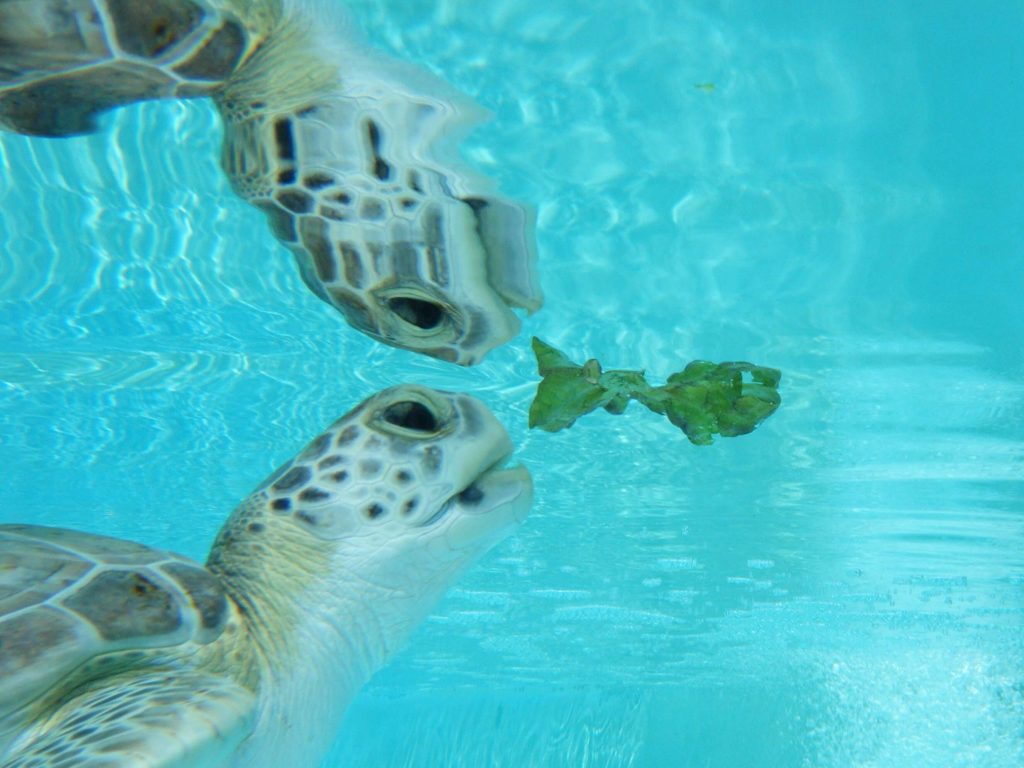
- Green turtles graze on seagrass, preventing it from overgrowing and supporting biodiversity. Healthy seagrass beds stabilize the ocean floor, reduce coastal erosion, and serve as nurseries for various marine species such as fish and crustaceans. Without green turtles, seagrass beds could overgrow, leading to imbalances in marine habitats.
- Hawksbill turtles feed on sponges, which helps coral reefs thrive. By controlling sponge populations, hawksbills prevent sponges from overtaking corals and outcompeting them for space. Thriving coral reefs support vibrant ecosystems, providing shelter for countless marine organisms and protecting coastlines from storm damage.
- Loggerhead turtles help control jellyfish populations. Their diet keeps jellyfish numbers in check, which benefits fish populations and other marine species that might otherwise face increased competition for food resources. By maintaining this balance, loggerheads contribute to the ocean’s overall health.
Sea turtles play a crucial role in the ocean. Their activities help maintain healthy marine ecosystems, which shows their importance. Watching how they interact with their environment teaches us why living sustainably and reducing our environmental impact is essential.
Small actions, like using less plastic or supporting groups protecting marine habitats, can lead to significant changes. When we back conservation efforts, we protect sea turtles and help keep the ecosystems they depend on healthy.

The Value of Rest
Rest is vital for sea turtles. It helps them save energy and recover from long migrations or foraging dives. Adult turtles often float on the surface or rest on coral reefs to recharge. This behavior shows the importance of prioritizing rest for physical and mental health. For turtles, these quiet moments, like feeding and mating, are crucial for their survival.
Rest is just as important for us humans. When we take breaks to recover, we can handle life’s challenges with more focus and strength. Sea turtles remind us that rest is not just a pause from activities but a key part of a healthy lifestyle. Like turtles that use coral reefs as safe spaces, we should create peaceful environments—such as quiet areas at home, meditation, or spending time in nature. Watching sea turtles rest encourages us to see self-care as necessary, not optional. Taking time to recharge helps us perform better in life.
Additionally, sea turtles show us how to balance effort and rest. The need to keep performing can lead to exhaustion and burnout in our busy lives. We build endurance, creativity, and greater fulfillment by including regular rest in our schedules. As sea turtles demonstrate, rest is an active step toward long-term well-being.
Connection and Interdependence
Sea turtles play a crucial role in keeping their ecosystems healthy. Their eating habits help seagrass beds, coral reefs, and marine populations thrive, supporting biodiversity. For instance, green turtles graze on seagrass, preventing it from overgrowing, which creates habitats for fish and crustaceans. Hawksbill turtles eat sponges, helping coral reefs stay vibrant, while loggerhead turtles keep jellyfish populations in check, benefiting smaller fish species.
This web of interactions shows how each action in an ecosystem impacts the larger whole. Humans are also part of this interconnected system. We must work together to succeed in our personal lives, workplaces, or communities. Building connections helps create supportive networks that promote resilience and growth. Sea turtles remind us that even small contributions can have big effects. By collaborating, we can make environments that support individual success and the well-being of entire communities.
The lessons from sea turtles also teach us to value diversity. Just as different turtle species have unique roles in their ecosystems, individuals offer different strengths and views in our pursuits. Valuing these differences encourages innovation, strengthens relationships, and improves problem-solving. Observing sea turtles shows us that everyone in a system has value, and collaboration leads to thriving environments.
Moreover, the challenges sea turtles face highlight the need for global teamwork. Conservation efforts require individuals, governments, and organizations to unite against threats like pollution, climate change, and habitat loss. These initiatives remind us that working together is vital for protecting marine ecosystems and the planet. Sea turtles inspire us to look beyond our immediate surroundings and understand our role in the larger web of life.
The Power of Legacy
Every nesting season, female turtles lay hundreds of eggs, ensuring the survival of future generations. This dedication to preserving their lineage reminds us of the importance of leaving a positive legacy. Whether it’s through environmental conservation, mentorship, or creating meaningful memories with loved ones, our actions today shape the world of tomorrow.
Adaptability and Flexibility
Sea turtles adapt to changing environments, from shifting ocean currents to evolving food sources. Their ability to navigate these changes is a testament to the power of flexibility. In our lives, embracing adaptability allows us to thrive in uncertain situations and find creative solutions to challenges.
Conservation and Coexistence
Sea turtles need humans’ help to survive. We must reduce threats like plastic pollution, climate change, and habitat loss. Conservation programs emphasize the need for humans and wildlife to live together. We can help protect these amazing animals and their homes by participating in activities like guided sea turtle walks.
Protecting Sea Turtles for Future Generations
Sea turtles are important for the health of our oceans and the planet. We need to work together to help them survive. You can make a difference by taking simple steps, like reducing single-use plastics, supporting eco-friendly projects, and educating others about conservation. These actions can have a big impact.
Experience the Magic of Sea Turtles Through Guided Sea Turtle Walks in Florida!
For those seeking a deeper connection to these fascinating animals, Loggerhead Marinelife Center offers immersive experiences and educational programs. Visitors can observe nesting turtles through guided sea turtle walks, learn about their behaviors, and contribute to conservation efforts.
Loggerhead Marinelife Center also offers birthday party packages that support conservation. Families can celebrate their special day while helping sea turtle research and rehabilitation. These parties use eco-friendly practices and include educational activities.
Plan your visit to Loggerhead Marinelife Center and discover how you can make a difference in protecting these extraordinary creatures.