Imagine your child standing at the ocean’s edge, watching a beautiful sea turtle gliding gracefully through the water. These ancient animals, known for their calm nature, play an important role in marine ecosystems. They have a unique ability to inspire children and encourage a connection to nature. While sea turtles are symbols of strength and resilience, they’re also perfect ambassadors for STEM (science, technology, engineering, and math) education.
At the Florida Donation-Based Marine Life Education and Science Center, families can have exciting educational experiences. Here, sea turtles act as teachers and role models. Through hands-on learning and conservation science, these activities motivate kids to dream big, think critically, and work towards protecting the environment.
Let’s learn more about sea turtles, understand why they are important to marine ecosystems, and see how their special traits make them great ambassadors for STEM education.
A Deeper Dive Into the World of Sea Turtles
Ancient Survivors of the Ocean
Sea turtles are one of the oldest creatures on Earth, having lived in the oceans for over 100 million years. They survived the event that killed the dinosaurs and adapted to many environmental changes over time. Their ability to survive makes them a symbol of resilience and evolution.
Their life cycle starts with an incredible journey. After hatching on sandy beaches, baby sea turtles, called hatchlings, instinctively move toward the ocean. This journey is dangerous and filled with challenges.
Those that make it to the ocean then enter a phase known as the “lost years,” where they travel thousands of miles across ocean currents before they mature. These early experiences show how adaptable sea turtles are, which has been of interest to scientists for many years.
Types of Sea Turtles in Florida
Florida is home to five species of sea turtles, each with unique characteristics and ecological importance:
1. Loggerhead Sea Turtle
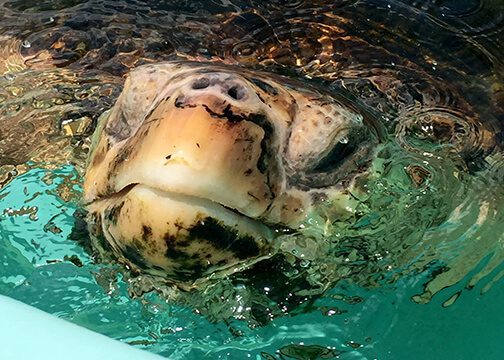
The loggerhead sea turtle has a large head and strong jaws. It is the most common turtle species that nests on Florida’s beaches. Loggerheads are important for the health of coral reefs and ocean ecosystems because they eat hard-shelled animals like crabs and clams.
2. Green Sea Turtle
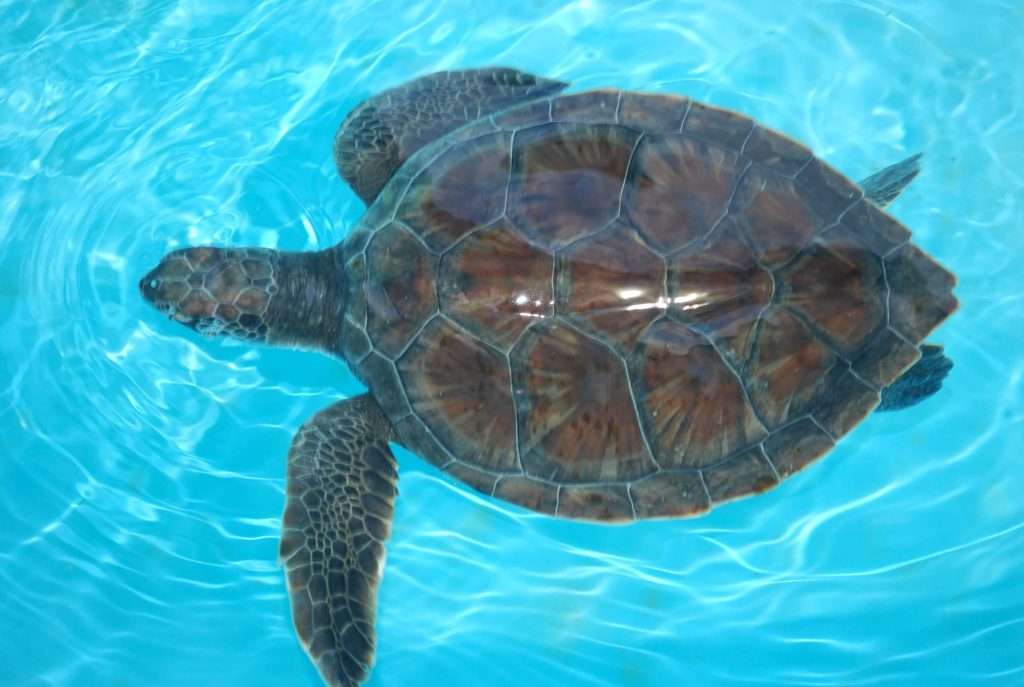
Named for the greenish color of their body fat, green sea turtles are primarily herbivorous, feeding on seagrass and algae. By grazing on seagrass beds, they help maintain these ecosystems, which serve as nurseries for fish and other marine life.
3. Leatherback Sea Turtle
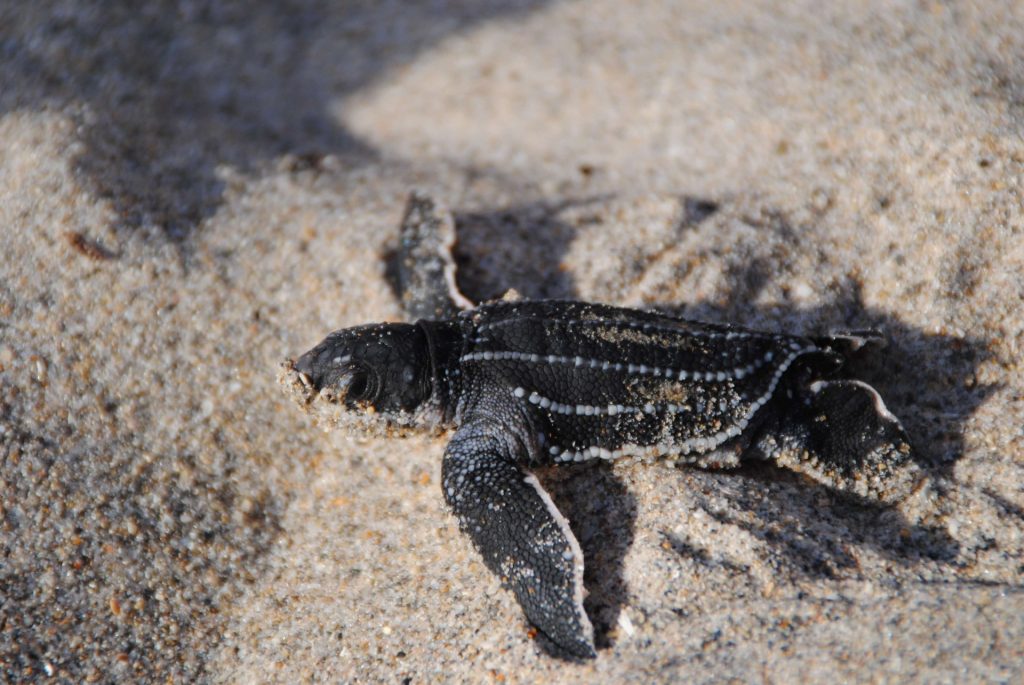
The largest of all sea turtle species, leatherbacks can weigh over 1,000 pounds and have a unique, leathery shell. These deep-diving turtles feed mainly on jellyfish and are crucial for controlling jellyfish populations.
4. Hawksbill Sea Turtle
Hawksbill turtles are small turtles with colorful shells. They play a key role in keeping coral reefs healthy because they eat sponges, which helps other marine life thrive. Sadly, their beautiful shells make them targets for poachers, leading to their critically endangered status.
5. Kemp’s Ridley Sea Turtle
The rarest and most endangered sea turtle species, Kemp’s Ridleys, are known for their unique synchronized nesting behavior, called arribadas. They primarily feed on crabs and are often found in shallow coastal waters.
These species highlight the incredible diversity within the sea turtle family and emphasize the need for conservation efforts to protect their habitats.
Why Sea Turtles Are Essential to Marine Ecosystems
Ecosystem Engineers
Sea turtles are vital for keeping marine ecosystems in balance. For example, green sea turtles eat seagrass, which stops it from growing too much and helps it stay healthy. Healthy seagrass beds are crucial because they store carbon, improve water quality, and provide safe places for many marine species to grow.
Loggerheads help ocean biodiversity by controlling the number of prey like crabs and shellfish. Hawksbills protect coral reefs by eating sponges that would otherwise take up space from corals. Leatherbacks eat jellyfish, which helps keep their population in check and maintains the balance of marine ecosystems.
Indicators of Ocean Health
Sea turtles are considered “keystone species,” meaning their presence indicates the marine environment’s overall health. Declines in sea turtle populations often signal broader ecological problems, such as pollution, climate change, or overfishing. Scientists can address these issues by studying and protecting sea turtles and working toward healthier oceans.
The Challenges Facing Sea Turtles
1. Human Impacts
Sea turtles are ancient survivors, yet their existence today is precariously balanced due to numerous human-driven threats. Each of these challenges highlights the delicate relationship between human activity and marine ecosystems:
2. Coastal Development
The rapid expansion of coastal areas has profoundly impacted sea turtles. Beaches, which serve as vital nesting grounds, are often transformed into resorts, homes, or commercial properties. Artificial lighting from these developments disorients hatchlings, leading them away from the ocean and toward danger. Furthermore, sea walls and other coastal infrastructure can block turtles from reaching suitable nesting spots.
3. Plastic Pollution
One of the most alarming threats to sea turtles is plastic pollution. Sea turtles often mistake plastic bags for jellyfish, one of their primary food sources. Ingesting plastic can cause blockages in their digestive systems, leading to starvation or death. Entanglement in discarded fishing gear or other debris can immobilize turtles, leaving them vulnerable to predators or drowning.
4. Climate Change and Gender Imbalance
Rising global temperatures have a direct impact on sea turtle reproduction. The temperature of the sand where eggs are incubated determines the sex of the hatchlings. Warmer sand results in more females, while cooler sand produces males. Over time, this shift can create gender imbalances, threatening the long-term viability of populations. Rising sea levels and stronger storms linked to climate change also erode nesting beaches, further reducing suitable habitats.
5. Fishing Practices and Bycatch
Sea turtles often become victims of commercial fishing practices. Bycatch, or the accidental capture of non-target species, is a significant problem in fisheries worldwide. Turtles caught in nets or on longlines can drown if they are unable to surface for air. While the development and implementation of Turtle Excluder Devices (TEDs) have reduced this risk, enforcement and compliance remain inconsistent. Expanding the use of sustainable fishing gear and educating fishermen are crucial to mitigating this threat.
The Importance of Conservation
Conservation efforts are essential to reversing the decline in sea turtle populations. Here’s how these efforts are making a difference:
Protected Nesting Beaches
Through initiatives like the designation of marine protected areas (MPAs), turtles are provided with safe spaces to nest without human interference. Conservation groups often patrol these beaches to monitor nesting activities, safeguard eggs, and release hatchlings.
Rehabilitation Programs
Injured turtles rescued from entanglements, boat strikes, or illnesses are treated at specialized centers. These facilities provide medical care and raise public awareness about the challenges facing marine life.
Global Collaboration
International agreements, such as the Inter-American Convention for the Protection and Conservation of Sea Turtles, foster cooperation among countries to protect these migratory animals. These agreements regulate fishing practices, enforce bans on turtle trade, and promote research initiatives.
Public Engagement
Educational programs, beach clean-ups, and community outreach efforts have inspired millions of people to participate in sea turtle conservation. These activities demonstrate that individual actions, when combined, can lead to significant positive changes for the environment.

How Sea Turtles Bring STEM to Life
Sea turtles serve as powerful ambassadors for science, technology, engineering, and mathematics (STEM), offering a hands-on approach to learning that resonates with students of all ages. Here’s a closer look at how sea turtles bridge the gap between education and conservation:
Science: Unlocking Turtle Biology
Studying sea turtles introduces children to foundational scientific concepts like anatomy, physiology, and ecology. By observing nesting behaviors, examining turtle shells, or understanding their dietary habits, children learn how each species interacts with its environment. For example, green sea turtles are vital for maintaining seagrass bed health, while hawksbills help manage sponge populations on coral reefs.
Technology: Tracking the Journey
Satellite tagging is an exciting technological application showcasing modern science’s wonders. Scientists attach GPS-enabled devices to turtles, allowing them to map migration routes across oceans. This real-time data offers insights into migratory patterns, foraging areas, and breeding sites. For kids, seeing this technology in action highlights the practical applications of tools like GPS and data visualization.
Engineering: Designing Solutions for Conservation
Sea turtle conservation challenges require innovative engineering solutions. Turtle-safe fishing gear, such as circle hooks and TEDs, minimizes bycatch while enabling fishermen to maintain their livelihoods. Artificial nesting habitats and barriers to prevent light pollution are other examples of how engineering directly supports wildlife preservation. For young learners, these innovations illustrate the problem-solving aspect of engineering.
Mathematics: Understanding the Numbers
Data collection and analysis are crucial in sea turtle conservation. Biologists track metrics such as the number of nests laid, hatchling survival rates, and migration distances. By engaging in hands-on activities like counting eggs or plotting data points on a graph, children see how mathematics helps scientists draw meaningful conclusions and develop strategies for protecting these creatures.
Encouraging Inquiry and Innovation
Sea turtles inspire curiosity and critical thinking by connecting STEM disciplines to real-world conservation efforts. Students can brainstorm solutions to protect nesting habitats, analyze the impact of human activities, or even design prototypes for eco-friendly fishing gear. These activities not only foster a love of learning but also equip young minds with the skills to tackle environmental challenges in the future.
Role Models in Action
Conservationists working with sea turtles often share their journeys and discoveries through public programs, offering students a glimpse into potential careers in STEM fields. These role models show how a passion for marine life can lead to meaningful work that benefits humanity and the natural world.
Interactive Experiences for Families
Turtle Walks and Nesting Observations
Walking along Florida’s beaches during nesting season is a magical experience. Guided walks allow families to witness sea turtles laying their eggs or hatchlings making their way to the ocean. These moments provide a hands-on introduction to marine biology and conservation.
Conservation Workshops
Some marine life centers offer workshops where families can learn about conservation practices, from reducing plastic waste to creating turtle-friendly beaches. These sessions empower children to make a positive impact on the environment.
Virtual Reality Adventures
Virtual reality (VR) technology allows kids to “dive” underwater and observe sea turtles in their natural habitats. These immersive experiences spark curiosity and foster a deeper emotional connection to marine life.
Cultivating Future Conservationists
Building Empathy and Responsibility
When children learn about the challenges sea turtles face, they develop a sense of empathy and responsibility. These experiences inspire them to think critically about how human actions affect the planet and what they can do to protect it.
Inspiring STEM Careers
Exposure to sea turtle conservation can ignite a passion for STEM fields. Whether they dream of becoming marine biologists, environmental engineers, or wildlife veterinarians, these experiences lay the groundwork for future careers that make a difference.
Unlock the Wonders of Marine Science at a Florida Donation-Based Marine Life Education and Science Center!
Looking for a meaningful way to inspire your child? Visit Loggerhead Marinelife Center, supported by the Admirals Cove Foundation, where sea turtles take center stage in unforgettable educational experiences. From educational outreach to exciting hands-on learning opportunities, this center offers families the chance to connect with marine life while supporting vital environmental efforts.
If you’re ready to nurture your future marine scientist or conservationist, contact Loggerhead Marinelife Center today. Together, we can protect sea turtles and the ecosystems they call home while cultivating a love for STEM and environmental stewardship.