
Climate change profoundly impacts sea turtles, affecting their habitats, nesting behavior, and overall health. Rising ocean temperatures, shifting nesting sites, and increased extreme weather events are some of the significant challenges these ancient creatures face today.
A sea turtle hospital in Florida plays a crucial role in mitigating these impacts by adapting rehabilitation methods to address emerging threats. As climate change accelerates, sea turtle hospitals have become essential in helping sea turtles cope and survive in this evolving environment.
Let’s examine closely how climate change impacts sea turtles and the critical work sea turtle hospitals do to support their survival and adaptation.

Climate Change Challenges and Sea Turtle Hospital Solutions
Sea turtle hospitals are on the front lines of addressing climate change’s challenges to these endangered animals. Below, we discuss the key challenges affecting sea turtles and how hospitals are responding to help these remarkable creatures survive.
1. Increasing Cold-Stunning Events
Sea turtles are cold-blooded animals that rely on their environment to regulate their body temperature. When water temperatures drop suddenly, sea turtles can become “cold-stunned,” a condition in which they become lethargic, lose mobility, and can’t feed or swim. Cold-stunning events have become more frequent due to unpredictable weather patterns caused by climate change, especially during the winter months in areas like the southeastern United States.
How Sea Turtle Hospitals Respond
- Rescue and Rehabilitation: When a cold-stunning event occurs, sea turtle hospitals prioritize rescuing affected turtles. Volunteers and rescue teams patrol beaches and shallow waters to find turtles that cannot move.
- Temperature-Controlled Recovery: Once rescued, turtles are brought into temperature-controlled facilities to be warmed gradually. Slowly raising their body temperature is crucial, as rapid temperature changes can cause additional stress or shock.
- Monitoring Health: During rehabilitation, hospital staff monitor the turtles’ vitals, administer fluids to prevent dehydration, and provide nutritional support. Many turtles require several weeks of care before they’re strong enough to be released back into the wild.
Cold-stunning events can lead to severe health complications if not addressed quickly. Sea turtle hospitals’ rapid intervention has been instrumental in saving countless turtles from this climate-induced threat.
2. Shifting Nesting Sites
Climate change is significantly changing sea turtle nesting sites. Rising sea levels have increased coastal erosion, and human development along coastlines makes it more difficult for female turtles to find suitable places to lay their eggs. Additionally, the timing of nesting seasons has been shifting, which can further disrupt the delicate balance required for successful hatching.
Sea Turtle Hospital Involvement
- Nesting Monitoring Programs: Sea turtle hospitals often collaborate with conservation groups to monitor nesting sites and track changes in nesting behavior. They’re actively involved in documenting nesting patterns, including the timing and locations of nesting events, to better understand how climate change affects these behaviors.
- Beach Protection Efforts: Hospitals work with local governments and communities to protect nesting beaches from development and erosion. Restoring sand dunes and barriers to prevent foot traffic helps preserve suitable nesting areas.
- Relocating Nests: In some cases, nests at high risk of being washed away by rising tides are carefully relocated to safer areas. This delicate process requires expertise to ensure that the eggs are not damaged and that the hatchlings have the best chance of survival.
Maintaining suitable nesting sites is crucial for sea turtle populations. Without safe places to lay their eggs, the survival of future generations is put at risk, making these conservation efforts essential.
3. Increased Gender Imbalance
Sea turtles’ gender is determined by the temperature of the sand where their eggs incubate. Warmer temperatures produce more female hatchlings, while cooler temperatures produce more males. With global temperatures rising, nesting beaches are experiencing higher sand temperatures, leading to an increase in female hatchlings and a potential gender imbalance that could threaten the future of sea turtle populations.
Mitigation Efforts by Sea Turtle Hospitals
- Temperature Monitoring: Sea turtle hospitals and conservation teams actively monitor sand temperatures at nesting sites to understand how rising temperatures affect gender ratios. This data helps develop strategies to balance these ratios.
- Shading Techniques: Shaded techniques are sometimes used to reduce sand temperatures. Shade cloths can be placed over nests to help cool the sand and promote a more balanced ratio of male and female hatchlings.
- Public Education Campaigns: Hospitals also educate the public about the impact of climate change on sea turtles’ reproductive health. By increasing awareness, they aim to inspire actions that reduce greenhouse gas emissions and mitigate climate change effects.
A balanced gender ratio is crucial for the long-term survival of sea turtle populations. Efforts to cool nesting sites are helping to ensure enough males and females sustain healthy reproduction rates.
4. Ocean Acidification and Its Effect on Health
Ocean acidification, caused by the absorption of excess carbon dioxide (CO2) from the atmosphere, profoundly affects marine life, including sea turtles. Acidification weakens the shells of many marine organisms, including juvenile sea turtles, making them more vulnerable to injury and predation.
Rehabilitation and Support
- Shell Health Monitoring: Sea turtle hospitals closely monitor the condition of turtle shells, especially those of young turtles that are more susceptible to the effects of acidification. Hospitals use digital X-rays to assess the integrity of the shells and determine if there are any weaknesses.
- Dietary Supplements: To help strengthen shells, hospitals provide turtles with dietary supplements rich in calcium and other essential nutrients. These supplements are crucial for young turtles recovering from injuries or developmental issues related to shell strength.
- Research Contributions: Other sea turtle hospitals contribute data on ocean acidification and its effects to the broader scientific community. This research is vital for developing global conservation strategies and understanding the long-term impacts of climate change on marine ecosystems.
The impact of ocean acidification on young sea turtles is a growing concern. Still, with proper monitoring and treatment, hospitals are helping these turtles develop stronger shells and better survival prospects.
5. Changes in Food Availability
Climate change affects ocean currents and water temperatures, which, in turn, impact the distribution and availability of food sources like jellyfish, seagrass, and crustaceans—critical components of a sea turtle’s diet. Changes in the availability of these food sources can force turtles to travel longer distances to find food, increasing the risk of exhaustion, stranding, or encountering dangerous conditions.
How Sea Turtle Hospitals Help
- Nutritional Support: When malnourished turtles are brought to the hospital, they receive specialized feeding plans designed to restore their health. High-calorie and nutrient-rich diets ensure the turtles gain weight and build strength.
- Rehabilitation Exercises: Hospitals provide rehabilitation exercises in specially designed tanks to help turtles regain strength. These exercises simulate natural conditions and help turtles build the stamina needed for survival in the wild.
- Tracking and Research: Some turtles have satellite tracking devices to monitor their movements after rehabilitation. This data provides valuable insight into how turtles adapt to changes in food availability and helps inform future conservation efforts.
Ensuring that sea turtles receive proper nutrition during rehabilitation is essential for their survival after release. By tracking their movements post-release, hospitals gain insights into how climate change impacts feeding behaviors and habitat use.

6. More Frequent and Intense Storms
Climate change has increased the frequency and intensity of hurricanes and storms, which pose significant risks to sea turtles. Strong waves and storm surges can destroy nesting sites, wash eggs away, and disorient or injure adult turtles.
Hospital Emergency Response
- Rescue Operations: During and after storms, sea turtle hospitals are highly alert to rescue stranded turtles. These rescues are often time-sensitive, as turtles can be injured, exhausted, or exposed to predators when washed ashore.
- Stormproof Facilities: Some sea turtle hospitals have stormproof facilities to provide safe, stable environments for turtles during extreme weather events. These facilities are equipped to handle an influx of patients during hurricane season.
- Long-Term Care: Turtles rescued during storms often require long-term care to recover from shell fractures or abrasions. Hospitals provide the necessary medical interventions, including wound care and physical therapy, until the turtles are fit for release.
Hurricanes and storms are unpredictable, but sea turtle hospitals are prepared to respond quickly and provide life-saving care to turtles impacted by these climate-induced events.
7. Plastic Pollution Aggravated by Climate Conditions
The increase in plastic pollution, aggravated by changes in ocean currents and storm surges, poses a severe threat to sea turtles. Ingested plastic can lead to blockages in the digestive system, while entanglement can cause physical injuries or even death.
Rehabilitation Techniques
- Imaging for Diagnosis: Hospitals use digital X-rays and high-definition ultrasounds to detect plastic ingestion in sea turtles. This advanced imaging allows veterinarians to determine the severity of the blockage and plan appropriate treatments.
- Endoscopic and Surgical Interventions: Hospitals use endoscopy or surgery to remove plastic from a turtle’s digestive system for severe cases. The Karl Storz EndoSkope allows for the precise examination and removal of foreign objects.
- Preventative Public Outreach: Public education is crucial to combating plastic pollution. Various organizations engage the community through workshops, beach clean-ups, and social media campaigns to reduce plastic use and encourage environmentally friendly practices.
Plastic pollution is a direct threat to sea turtles. Still, hospitals are addressing it through both hands-on medical care and proactive public education efforts to prevent pollution at its source.
8. Disease Vulnerability
Rising temperatures and changing water quality make sea turtles more susceptible to diseases like fibropapillomatosis (FP), a virus that causes debilitating tumors. These tumors can affect a turtle’s ability to swim, eat, and see, significantly reducing its chance of survival.
Medical Care for Affected Turtles
- Surgical Removal of Tumors: Sea turtle hospitals have specialized surgical suites where FP tumors are removed. These surgeries are delicate and require precise skill to ensure all tumors are excised without harming vital organs.
- Supportive Rehabilitation: After surgery, turtles undergo rehabilitation to regain their strength. Hospitals provide enriched diets and monitor their progress to ensure a full recovery.
- Environmental Research: Hospitals also research the environmental factors contributing to the spread of FP. By understanding these factors, conservationists can develop mitigation strategies that reduce the prevalence of this disease.
Fibropapillomatosis is a growing concern for sea turtles. Still, with the expertise of sea turtle hospitals, many turtles affected by this disease can recover and be given a second chance in the wild.
9. Habitat Loss from Coastal Development
Coastal development and rising sea levels are leading to habitat loss for sea turtles. Development reduces the availability of suitable nesting sites and disrupts nearshore habitats that young turtles depend on for food and shelter.
Collaborative Conservation Efforts
- Advocacy for Protection: Sea turtle hospitals advocate for policies that protect critical habitats from development. They work with local authorities to establish protected areas that provide safe nesting grounds and coastal habitats.
- Habitat Restoration Projects: Hospitals and conservation groups engage in habitat restoration projects, such as planting native vegetation to stabilize dunes or restoring seagrass beds that provide food for turtles.
- Community Engagement: Public awareness is key to protecting turtle habitats. Sea turtle hospitals run programs that educate residents about the importance of nesting sites and encourage them to participate in habitat preservation efforts.
Habitat loss is a significant threat, but sea turtle hospitals are making strides in preserving the environments turtles need to thrive through advocacy, restoration, and public engagement.
10. Community Engagement and Public Education
Public support is vital for mitigating the effects of climate change on sea turtles. Sea turtle hospitals focus on treating and rehabilitating turtles and engage the community through educational programs and outreach initiatives.
- Educational Programs: Reputable sea turtle hospitals provide educational workshops and programs for children and adults. These programs teach participants about the impact of climate change, pollution, and human activity on sea turtles and offer actionable steps to help.
- Observation Opportunities: The hospital’s observation windows allow the public to see the rehabilitation process, providing a tangible connection to the animals and their issues. These experiences inspire individuals to become advocates for sea turtle conservation.
- Beach Clean-Ups and Conservation Campaigns: Beach clean-ups and conservation campaigns encourage community involvement. These initiatives help reduce plastic pollution and protect nesting sites, directly impacting the local environment.
Education and community involvement are essential components of sea turtle conservation. Sea turtle hospitals empower individuals to take action, creating a broader support network for these endangered creatures.
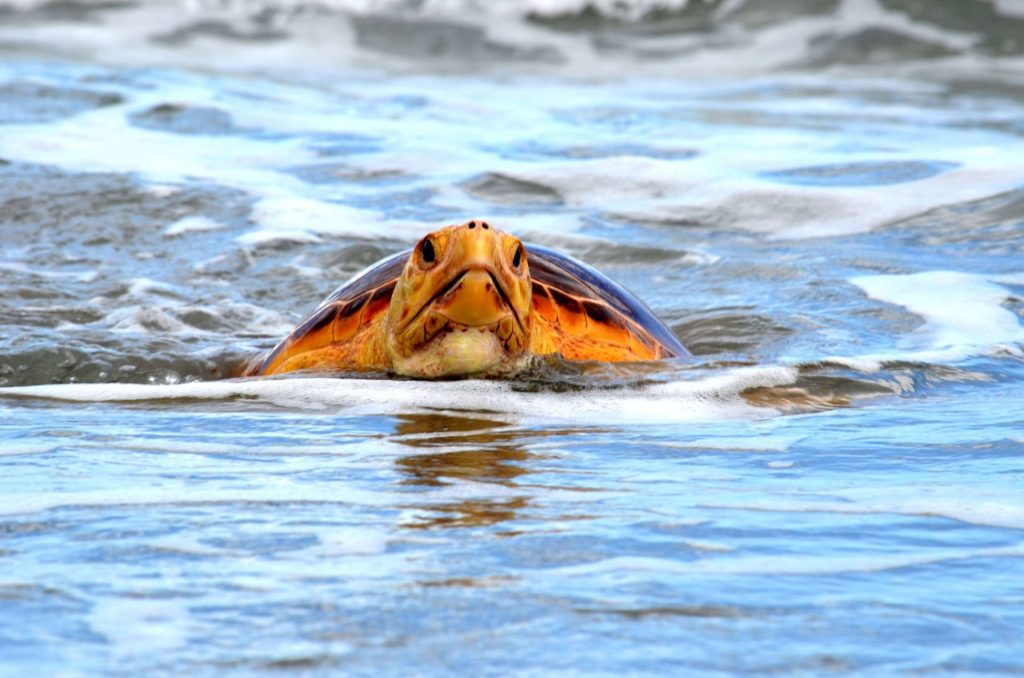
Visit Loggerhead Marinelife Center’s Sea Turtle Hospital in Florida!
Loggerhead Marinelife Center’s sea turtle hospital in Florida is dedicated to helping these incredible animals overcome the challenges posed by climate change.
Join us in our mission to protect and conserve sea turtles by supporting our work, volunteering, or participating in our educational programs. Together, we can make a difference for our oceans and the remarkable creatures that call them home. Plan your visit today!