
Sea turtles are incredible creatures nesting on Florida’s beaches for millions of years. However, due to various threats—coastal development, erosion, and increasing human activity—these gentle animals sometimes need a helping hand to ensure their nests are safe. Relocating a sea turtle nest is a delicate process that requires expertise, care, and respect for these animals’ natural behaviors.
During the sea turtle nesting season in Florida, which typically runs from March to October, conservationists sometimes relocate nests to safer locations to maximize the chances of hatchling survival. This guide will explain why and how sea turtle nest relocations happen, providing a detailed overview of the steps taken to protect these magnificent creatures.
Understanding Sea Turtle Nest Relocation
Sea turtle nest relocation is not as simple as moving eggs from one spot to another. It’s a careful process to ensure that turtle hatchlings have the best chance of making it to the ocean. Let’s dive into the reasons and the methods used during nest relocation.
Why Relocate a Sea Turtle Nest?
Relocating a sea turtle nest is never a first-choice action. However, certain circumstances make it essential to protect the eggs.
- Coastal Erosion: Beaches change naturally, but sometimes they erode so rapidly that nests risk being washed away. Coastal erosion has been increasing due to climate change and rising sea levels. Extreme weather events like hurricanes also accelerate erosion, making some nests vulnerable. Nest relocation may be necessary to move eggs to higher, safer ground, away from the immediate threat of being swept into the ocean. For example, some areas along the coast of Florida have seen major erosion over the past few years, leading to a heightened number of nests needing relocation to prevent loss.
- Human Activity: High-traffic areas of beaches, such as those near hotels or restaurants, may see heavy foot traffic, vehicle activity, or even construction that can threaten a nest’s safety. Tourists often unknowingly walk over nests, causing compaction of the sand and potential damage to the developing embryos. Construction projects near the shoreline can introduce vibrations and alter the beach environment, which might disrupt the nesting process or damage existing nests. Relocating these nests away from these activities helps ensure the safety of the eggs.
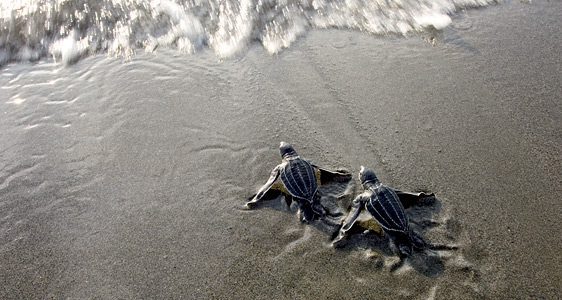
- Lighting Issues: Artificial lighting disorients sea turtle hatchlings, leading them away from the ocean. When hatchlings emerge, they instinctively move towards the brightest light—usually, the moonlight reflecting off the ocean. However, in areas with significant artificial lighting, such as beachfront properties, street lights, or car headlights, hatchlings can be led away from the ocean, putting them in harm’s way. Relocating nests away from areas with intense lighting helps minimize confusion during their journey to the sea. It reduces the number of hatchlings that fall prey to predators or suffer exhaustion.
- Flooding Risks: Some nests are laid too close to the tide line, making them susceptible to being inundated by high tides or heavy rain. Flooding poses a significant threat to the developing embryos, as it can suffocate them or lead to the eggs being washed away entirely. Moving these nests further up the beach helps prevent water damage and ensures that the eggs remain dry and safe until it’s time for the hatchlings to emerge. During especially stormy seasons, many nests face an increased risk of inundation, necessitating relocation as a critical conservation strategy.
Identifying a Nest at Risk
Before relocating any nest, it’s crucial to determine whether the eggs are truly in danger. This involves a careful assessment by trained experts.
- Location Assessment: The proximity of the nest to the high tide line is checked. Nests laid too close to the water are more likely to be flooded. Conservationists often assess at different times of day to understand how tides affect the nest’s location. Relocation is necessary if a nest is within a vulnerable zone that will likely be submerged during high tides.
- Human Footprint: If the nest is found in an area with heavy human activity, such as near walkways or tourist zones, it may be considered for relocation to reduce accidental damage. These nests are especially prone to being trampled by beachgoers or run over by vehicles, particularly in popular tourist destinations. Conservationists must assess whether moving the nest to a quieter, less trafficked area will improve the eggs’ chance of survival.
- Risk of Predation: Nests laid in areas where predators, like raccoons or crabs, are active may also be evaluated for relocation. Predators are more likely to find exposed nests or areas with less natural cover. Conservationists sometimes take additional measures to reduce predation risk, such as placing protective screens over nests, but relocation may still be needed if the risk is too high.
The Timing of Relocation
Timing is everything when it comes to relocating a sea turtle nest.
- Within the First 12 Hours: Ideally, relocation should occur within the first 12 hours after the eggs are laid. This is when the eggs are less susceptible to damage from movement. The embryos have not yet attached firmly to the eggshell, making them easier to move without harm. For example, in Florida, conservation teams often patrol beaches in the early morning hours to identify new nests and promptly assess the need for relocation.
- Waiting Can Be Harmful: The longer the eggs remain in their original nest, the more delicate they become, increasing the risk of damage during the move. After the first 24 hours, the embryos adhere to the eggshells, making them much more susceptible to injury if disturbed. This is why conservationists act quickly to determine whether a nest should be relocated, as delaying the decision can significantly reduce the chances of a successful hatch.
The Relocation Process Step-by-Step
Relocating a sea turtle nest involves multiple carefully orchestrated steps to ensure the safety of the eggs.
- Marking the Nest: The nest is marked to avoid confusion, and the location is recorded for research purposes. This ensures data about the original site is preserved, which is crucial for ongoing studies about nesting behaviors and success rates. Researchers often use GPS devices to mark the nest’s location accurately.
- Removing the Eggs Gently: The eggs are removed from the nest individually. It’s crucial to keep them in the exact orientation in which they were found to avoid harming the embryos. Eggs are extremely fragile, and even slight rotation can cause injury. Conservationists carefully place the eggs in a container with soft sand from the original nest to provide cushioning and stability during the move.
- Creating a New Nest: A new nest is dug at a safer location, ideally mimicking the original nest’s characteristics regarding sand type, depth, and temperature. The new nest is usually dug to the same depth as the original to maintain the same environmental conditions essential for embryo development. The depth of the nest can affect hatchling sex ratios, so getting this part right is crucial.
- Placing the Eggs in the New Nest: Eggs are placed carefully in the new nest, ensuring they are positioned in the same orientation. The goal is to replicate the original nesting conditions as closely as possible, reducing the risk of embryo stress or damage. Once all the eggs are relocated, the nest is covered with sand, and a protective screen may be placed over it to deter predators.
Factors to Consider for New Nest Locations
Choosing the right location for the new nest is essential for the survival of the hatchlings.
- Distance from Water: The new nest should be far enough from the high tide line to avoid flooding but not so far that hatchlings face a difficult journey to the ocean. Hatchlings need to reach the ocean quickly to avoid predators, so the new site should balance being safe from water threats and providing an easy path to the sea.
- Sand Type and Temperature: The temperature of the sand can influence the sex of the hatchlings. Warmer sand produces more females, while cooler sand produces more males. Therefore, relocating the nest to a site with conditions similar to the original one is crucial to maintaining a balanced population.
- Minimizing Human Impact: The new site should avoid areas with heavy human activity or artificial lighting to prevent disturbances. Conservationists aim to relocate nests in areas where they will be undisturbed by beachgoers, ensuring that the hatchlings have the best chance of reaching the water safely.
Challenges Faced During Relocation
Despite being necessary in some cases, sea turtle nest relocation comes with challenges.
- Risk of Egg Damage: Eggs are fragile, and moving them can sometimes lead to breakage, even when handled with care. Biologists try to minimize this risk but cannot eliminate it. Each egg represents a potential hatchling, so great care is taken to ensure that none are damaged, but the fragility of the eggs makes this a challenging task.
- Temperature Sensitivity: The sand temperature impacts the sex of the hatchlings. Maintaining the correct conditions is a critical but challenging part of nest relocation. A few degrees of difference can change the sex ratios, which can impact the overall population balance in the future. Conservationists use temperature probes and take sand samples to choose the most suitable new locations.
- Predator Awareness: Moving a nest to a new area might expose it to different predators, so choosing a location with minimal predation risk is vital. Some areas might have fewer raccoons but more crabs, so conservationists must evaluate the types of predators present and use protective measures, such as screening the nest, to deter them.
Monitoring Relocated Nests
Once the nest has been moved, it must be monitored to ensure everything goes smoothly.
- Marking and Logging: The new nest is marked, and its location is recorded. This helps conservationists keep track of relocated nests and monitor their success rates. Each nest is given a unique identifier, allowing researchers to follow its progress throughout the incubation period.
- Regular Checks: The nest is monitored for signs of predation, flooding, or other risks. Regular visits help ensure that if issues arise, they can be managed swiftly. Conservationists often place small barriers or screens over the nest to prevent predators from digging up the eggs, and they routinely check for signs of tampering.
- Hatchling Success Rates: Monitoring also allows researchers to track how many hatchlings make it to the ocean, providing valuable data on the relocation process’s success. The number of hatchlings that successfully emerge from the nest is a key metric for evaluating whether the relocation was effective.
Role of Technology in Nest Relocation
Technology has become invaluable in sea turtle conservation, including nest relocations.
- GPS Tracking: GPS helps pinpoint the exact location of original nests and new nest sites. This data is used for future research and conservation planning. GPS allows conservationists to maintain accurate records of each nest’s original and relocated location, aiding in studying nesting patterns and outcomes.
- Temperature Sensors: Temperature sensors placed in relocated nests help conservationists ensure the conditions are right for hatchling development. Sensors help monitor nest conditions without disturbing the eggs, providing real-time data that can be used to make adjustments if needed.
- Drones for Monitoring: Drones are sometimes used to monitor beaches for nesting activity and potential threats without disturbing the turtles. By providing a bird’s-eye view of the beach, drones allow conservationists to identify nests at risk and respond quickly while reducing the need for human presence on the beach.
How You Can Help During Sea Turtle Nesting Season
Everyone can play a part in protecting sea turtle nests and reducing the need for relocation.
- Respect Nesting Areas: If you’re on the beach during sea turtle nesting season, look for marked nests and give them plenty of space. Avoid walking directly over marked areas, and keep pets away from nesting sites.
- Avoid Artificial Lights: Minimize lights near nesting beaches at night to avoid disorienting hatchlings and nesting females. If you live near the beach, consider installing turtle-friendly lighting, which is low to the ground, shielded, and amber-colored, making it less disruptive to turtles.
- Participate in Beach Cleanups: Keeping beaches litter-free reduces the risks for nesting turtles and hatchlings. Participating in cleanups helps ensure the sand is free of obstructions that could block or harm hatchlings on their journey to the ocean.
- Spread Awareness: Share information about sea turtle conservation with friends, family, and fellow beachgoers. The more people understand sea turtles’ challenges, the greater the community support for conservation efforts. Social media is a great platform for spreading the word and encouraging others to be mindful of their actions.
Experience Sea Turtle Nesting Season in Florida!
Sea turtle nest relocation is a crucial conservation tool. It involves scientific knowledge and community support to protect these incredible creatures. Everyone has a role in supporting these efforts.
Loggerhead Marinelife Center works tirelessly to protect sea turtles through research, education, and conservation efforts. By getting involved, you can support initiatives like sea turtle nest relocations and actively protect these amazing animals. Visit Loggerhead Marinelife Center to learn more about how you can contribute to sea turtle conservation.