Imagine diving into the vast, vibrant world of marine conservation, where the younger generation isn’t just participating—they’re leading the charge. As concerns for our marine ecosystems climb, forging a deep, meaningful connection between youth and our oceans is becoming increasingly essential.
This isn’t about learning from textbooks – it’s about immersive experiences that stick with young minds. And where better to ignite this passion than Florida, with its teeming marine biodiversity and hands-on Florida marine life tours that meld education with real, tangible experiences?
Marine Conservation Education to Inspire Future Ocean Advocates
Oceans, covering over 70% of our planet, are home to a stunning variety of life and are vital to global health—regulating our climate, providing food, and more. Yet, they face immense threats like pollution, overfishing, and the impacts of climate change.
This brings us to the critical role of marine conservation education, especially for the younger folks. Getting kids and teens involved in marine conservation is a must if we want to cultivate future generations of ocean advocates.
All around Florida’s coast, innovative programs are sprouting up, ranging from school-based curricula to hands-on marine life tours. These initiatives let youngsters see up close the impacts of human actions on marine environments—like visiting a sea turtle rehab center or joining a beach cleanup. It’s about creating opportunities that educate and inspire a lifelong passion for marine life and conservation.
Educating Through Marine Programs
1. School-Based Marine Education
Integrating Oceans into the Curriculum
Educators are taking marine science beyond the textbooks by integrating it directly into the school curriculum. This approach allows students to explore marine ecosystems through advanced tools like virtual reality, which simulates diving adventures into coral reefs, and real-time video feeds from marine biology labs across the globe.
These technologies provide a window into the underwater world, making the lessons about marine ecosystems vivid and immediate. By bringing the dynamics of oceanic life into the classroom, students gain a deeper understanding of marine biodiversity and the ecosystem services oceans provide.
Enhancing Engagement with Technology
Using cutting-edge technology captures students’ imaginations and solidifies their understanding of complex scientific concepts. Virtual reality, in particular, offers a hands-on learning experience that traditional educational tools cannot.
It allows students to witness coral bleaching events, interact with marine species, and even observe the effects of pollution on marine life in a controlled, immersive environment. These experiences are tailored to enhance student engagement and retention of information, ensuring that each lesson has a lasting impact.
Cultivating Long-Term Curiosity
These educational initiatives aim to spark a lasting curiosity about the marine world. Engaging teaching methods motivate students to pursue further studies in marine science and consider their role in environmental conservation.
As students develop a personal connection with marine issues through interactive learning, they become more likely to advocate for marine conservation and adopt sustainable practices in their daily lives. This foundational education is the first step in preparing them to tackle global environmental challenges.
2. After-School and Summer Marine Camps
Extending Education Beyond the Classroom
Marine education doesn’t stop at the classroom door. After-school programs and summer camps expand on school learning through direct engagement with the natural world. These programs are often situated near water bodies, providing a perfect setting for experiential learning.
Participants engage in water quality testing, which teaches them about pollution and its effects, and species identification, highlighting biodiversity and the importance of various species to ecosystem health.
Hands-On Conservation Experiences
These camps are about putting theory into practice. They offer structured activities like scuba diving to study underwater habitats or coastal clean-ups that teach about human impact on marine environments.
Through these activities, students learn about marine conservation challenges and the importance of active involvement in protecting these natural resources. They also gain practical skills, such as data collection and scientific observation, which are essential for any budding marine scientist.
Cultivating Future Environmental Advocates
These interactive and immersive experiences transform students into informed advocates for marine conservation. As students see the real-world effects of conservation efforts, such as the recovery of a local species or improvements in water quality, their awareness of and commitment to environmental issues deepens.
These programs aim to inspire a lifelong dedication to environmental stewardship, equipping young individuals with the knowledge and skills to make meaningful contributions to conservation efforts.
Building Careers in Marine Conservation
1. Internship Opportunities
Real-World Experience in Marine Conservation
Internships offer high school and college students invaluable insights into marine conservation. By working directly with marine conservation organizations or engaging in active research projects, interns are immersed in the day-to-day activities that define the field.
These opportunities provide a practical understanding of the challenges and rewards of marine conservation, from conducting field research to developing strategies for habitat preservation.
Mentorship and Professional Development
A key component of these internships is the mentorship provided by experienced professionals in the field. This guidance is crucial as it helps students navigate the complexities of marine science and conservation work. Mentors offer knowledge and support in developing necessary skills and understanding best practices in research and conservation.
This relationship can significantly influence a student’s career trajectory, giving them the confidence and connections to pursue their passions.
Solidifying Career Interest
The hands-on experience gained through internships often plays a decisive role in shaping a student’s career decisions. Participating in meaningful conservation work can transform an initial curiosity about marine environments into a committed career path.
Internships expose students to the various aspects of marine conservation work, allowing them to identify specific areas of interest, whether that’s policy advocacy, species recovery programs, or ecological research.
2. Pathways to Marine Careers
Collaborative Educational Pathways
Strategic collaborations between conservation organizations and educational institutions make the journey to a career in marine conservation clearer. These partnerships are designed to provide students with a roadmap to professional roles in marine science.
Tailored academic programs, special courses, and dedicated career counseling are part of these collaborative efforts, guiding students from their initial interest to their professional entry into the field.
Scholarships and Specialized Training
Many conservation organizations and educational institutions offer scholarships specifically targeted at aspiring marine scientists to support students financially and academically.
These scholarships often include opportunities to participate in cutting-edge research projects or internships that provide practical, hands-on training in marine conservation techniques and technologies.
Practical Training and Academic Advancement
Beyond scholarships, partnerships with marine research facilities are crucial for giving students real-world experience. These facilities allow students to apply their theoretical knowledge in practical settings, such as tagging marine animals, monitoring reef health, or analyzing ecological data.
This direct involvement in ongoing conservation efforts enhances learning and prepares students for the demands and challenges of careers in marine sciences.
Engaging Youth in Citizen Science
Empowering Young Citizen Scientists
Citizen science projects serve as a community-building tool that integrates local youth into significant scientific research efforts. These projects often involve monitoring local wildlife, assessing ecosystem health, and conducting biodiversity surveys.
By participating, young people gain a practical understanding of scientific methods and contribute to data that are critical for conservation efforts. They become active players in the scientific community, learning to observe, record, and analyze environmental data, which can inform broader conservation initiatives.
Bridging Science and Community
Youth involvement in these projects does more than teach them about science—it embeds them within a community of like-minded individuals who share a commitment to environmental stewardship.
This community aspect promotes a sense of belonging and purpose among young participants, encouraging them to take ownership of their local environments. As they learn to apply scientific principles to real-world problems, they also develop a deeper appreciation for the natural world and a clearer understanding of how to protect it.
Developing Skills Through Active Participation
Young individuals develop critical thinking and problem-solving skills through active participation in citizen science. They learn how to handle scientific equipment, record precise measurements, and observe environmental changes critically.
These skills are essential for scientific inquiry and can be transferred to many other areas of life, including education and future careers.
The Impact of Youth-Led Research
Fresh Perspectives Leading to Innovation
Youth can bring fresh perspectives to scientific research, often seeing solutions and patterns others might overlook.
Their unique insights can lead to discoveries that challenge conventional thinking and inspire new approaches to conservation issues. For example, a youth-led study on the impact of human activity on local habitats could provide new evidence supporting the need for specific conservation measures.
Influencing Conservation Policy and Practices
Young citizen scientists’ contributions can significantly impact conservation strategies and environmental policies. By engaging in research that documents critical issues, such as the migration patterns of endangered species or the effects of pollutants on local water bodies, youth can influence policy decisions that lead to better protection and management of natural resources.
Their findings can provide the empirical evidence needed to advocate for change, ensuring that policies reflect the latest scientific understanding and community needs.
Catalyzing Long-Term Environmental Change
When young people lead and participate in research that has tangible outcomes, such as developing new conservation strategies or improving local environmental health, it affects current policy and lays the groundwork for ongoing environmental advocacy.
These experiences often inspire a lifelong commitment to environmental stewardship as young researchers see the direct impact of their work and understand the value of continued involvement in science and conservation.
Loggerhead Marinelife Center’s Educational Impact Through Tours
Interactive and Immersive Learning Experiences
Loggerhead Marinelife Center transforms the concept of wildlife observation into a comprehensive, engaging learning experience. The guided educational tours provide young visitors with an immersive dive into the world of marine conservation.
Participants actively engage with the environment. This might involve close encounters with sea turtles undergoing rehabilitation, which educates and connects emotionally with the visitors. By interacting with marine life and conservationists, young people gain a hands-on understanding of the complexities and challenges of marine conservation.
Experiencing Marine Conservation in Action
During these tours, participants witness the various aspects of marine research and conservation efforts. They might tour the facilities where injured sea turtles are nursed back to health, participate in data collection for ongoing research projects, or learn about the tagging and tracking of marine species.
These experiences provide a behind-the-scenes look at the day-to-day operations of a marine conservation center, highlighting the scientific and ethical considerations involved in wildlife conservation.
Long-Term Benefits of Guided Tours
1. Inspiring Future Conservationists
The guided tours at Loggerhead Marinelife Center are designed to educate and inspire visitors. They give young people a close look at marine life and the efforts to protect these environments to spark a lasting interest in conservation.
By learning about real conservation challenges and successes, visitors develop a greater appreciation for marine ecosystems and a desire to help protect them.
2. Planting Seeds of Advocacy and Care
These experiences aim to create advocates for the ocean. When young visitors see the benefits of conservation work and learn about the threats to marine ecosystems, they start to think about how they can help.
This engagement is important for building a sense of responsibility and giving them the power to act for marine conservation. The goal is to help participants become more knowledgeable and motivated to support and advocate for marine conservation.
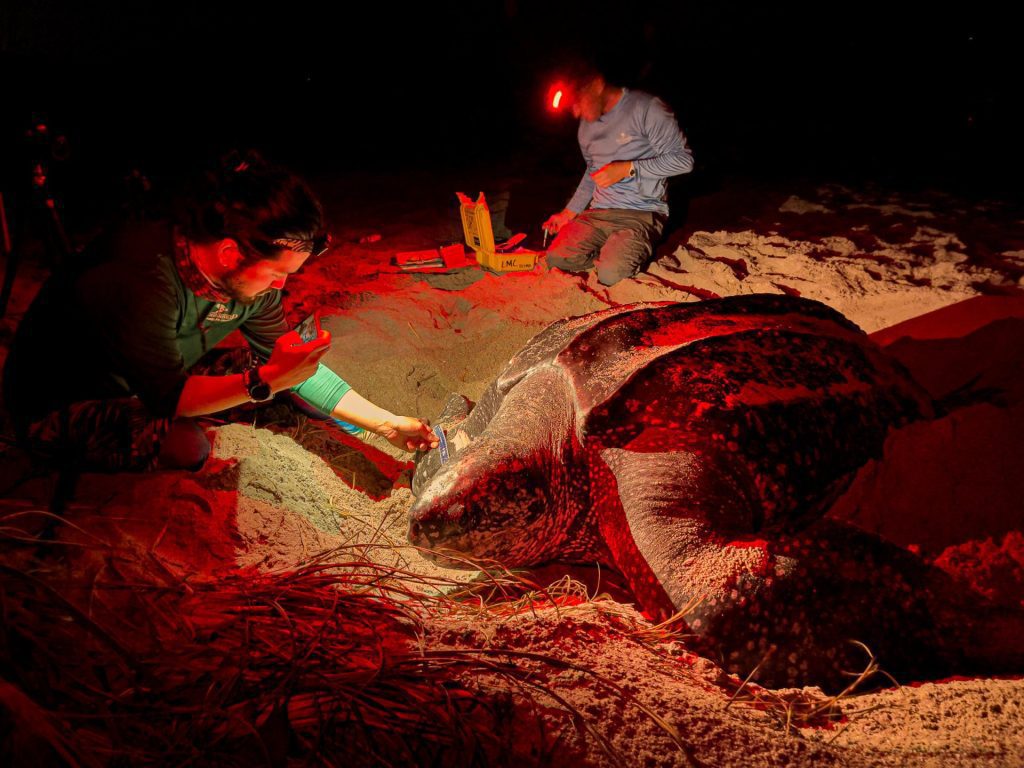
Join a Florida Marine Life Tour at Loggerhead Marinelife Center!
Are you ready to get involved? We invite young marine advocates and their families to join us in marine conservation. Come on a Florida marine life tour at Loggerhead Marinelife Center to experience the beauty and challenges of protecting our oceans. Plan your visit today and help create the change our oceans need.