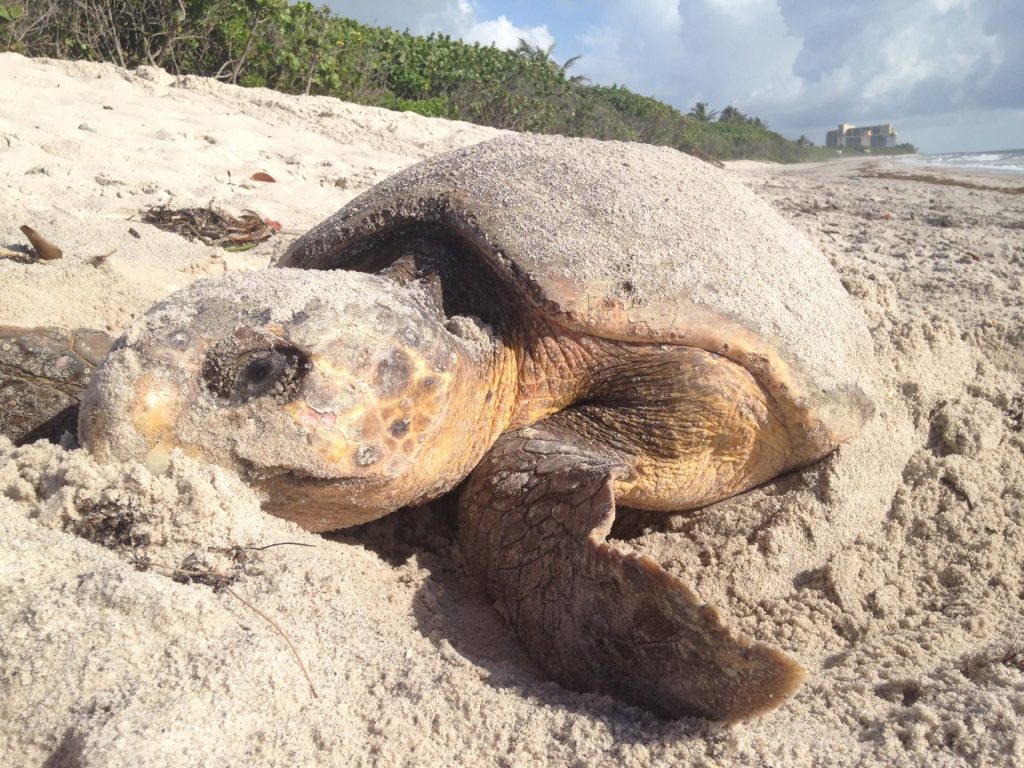
Sea turtles are remarkable creatures that travel across oceans and return to shorelines where they first hatched to lay their own eggs. However, they face numerous dangers, including injuries from boat collisions, entanglement in fishing gear, pollution, and habitat destruction.
When a sea turtle is injured or sick, specialized centers step in to rescue and rehabilitate it, providing critical care with the hope of returning it to the ocean. The journey from rescue to release is intricate, requiring multiple stages of preparation. These efforts become possible through public support and the work of organizations. Donating to sea turtles supports essential rehabilitation programs that help them return to their natural habitats.
Let’s explore each step researchers take to ensure rehabilitated turtles are well-prepared for the wild. From health assessments to behavioral conditioning, each part of this process is integral to a turtle’s successful reintegration into the ocean ecosystem.
Steps Researchers Take to Ensure Successful Release
Releasing a rehabilitated sea turtle requires a comprehensive approach that covers health, behavior, adaptability, and environmental factors. Here’s how researchers prepare turtles for life back in the ocean.
1. Health Assessments and Medical Check-Ups
The cornerstone of any rehabilitation journey is the turtle’s health. Before a turtle can be released, it undergoes several health assessments to ensure it’s in peak physical condition.
- Comprehensive Medical Examinations: Veterinarians examine the turtle’s physical health, assessing for infections, injuries, respiratory health, and the overall condition of the shell and flippers. The shell is a crucial element of the turtle’s defense, and fractures must heal completely to ensure the turtle’s protection from predators and rough ocean terrain.
- Blood Tests for Nutritional and Hydration Levels: Blood tests are crucial for revealing underlying health issues that may not be visible externally. These tests can detect nutrient deficiencies, dehydration, and infections. Ensuring adequate nutrient levels means the turtle has the reserves to survive without frequent food sources.
- Advanced Imaging (X-rays, CT Scans): Imaging technology, such as X-rays, detects internal injuries that might go unnoticed. Many turtles suffer fractures from boat strikes, and researchers must verify that these bones have healed to avoid complications in the wild.
Health assessments provide the foundation for a turtle’s return to the ocean, as any undetected ailment could compromise its ability to thrive in its natural habitat.
2. Behavioral Conditioning for Wild Environments
Turtles in rehabilitation can become accustomed to the controlled environment of their care facilities, where food and safety are always nearby. Behavioral conditioning helps turtles reacclimate to the wild, where they must seek food and avoid threats independently.
- Target Feeding Training: Through target feeding, turtles are encouraged to find food by sight and smell rather than waiting to be fed. This strategy reinforces their natural hunting instincts, preparing them for the unpredictable food sources they’ll encounter in the ocean.
- Simulated Predator Exposure: Some programs incorporate simulations of predator presence, such as shadows or sudden movements, to help turtles rediscover their alertness to potential dangers. Wild turtles naturally face predators like sharks, so preparing them for unexpected situations is key.
- Response Observation: Researchers observe how turtles respond to various stimuli, such as changes in light, movement, or sound, gauging their alertness and adaptability. These responses indicate whether a turtle’s instincts have been reawakened.
Behavioral conditioning ensures turtles can rely on their instincts, making them better prepared for life in the ocean’s dynamic environment.
3. Assessing Swimming Strength and Endurance
In the wild, sea turtles must swim long distances, often across oceans, to find food, mate, or reach nesting sites. Ensuring a turtle has the strength and stamina to handle these journeys is a crucial part of the rehabilitation process.
- Controlled Swim Tests for Endurance: Researchers conduct swim tests in controlled environments, observing the turtle’s stamina, ability to navigate currents, and endurance over time. This test simulates the energy turtles need to survive in the wild.
- Resistance Pools for Strength-Building: Some facilities use resistance pools with simulated currents to create a more challenging environment. In these pools, turtles must swim against the current, helping them build muscle strength and endurance, both critical for survival in open waters.
- Interval Training Sessions: Like an athlete, a turtle’s endurance improves through interval swimming exercises. By progressively increasing the difficulty, researchers help turtles build resilience and prepare for the varied and sometimes extreme conditions they’ll encounter in the ocean.
Swimming assessments ensure that rehabilitated turtles are physically equipped for their life in the wild, especially in the face of unpredictable ocean currents and weather.
4. Establishing a Natural Diet
In rehabilitation, turtles often receive a balanced and pre-prepared diet, unlike the food they’d forage in the wild. Transitioning them back to a natural diet is essential for their survival post-release.
- Gradual Diet Transition: As the turtle nears release, researchers transition it from an artificial diet to foods it will encounter in the wild, such as seaweed, fish, and crustaceans. This diet change prepares the turtle’s digestive system for what it will encounter in the ocean.
- Foraging Practice and Skills: Turtles are encouraged to search for food within the tank, developing the hunting and foraging skills they’ll need. Food may be hidden or placed in locations that require effort to access, simulating the challenges of finding meals in the wild.
- Adjusting Portion Sizes: Researchers adjust the turtle’s food portions to mimic wild feeding patterns, gradually reducing portion sizes and frequency to prevent dependency on regular feeding.
Establishing a natural diet helps turtles learn to feed independently, preparing them to thrive in the wild, where food sources are less predictable.
5. Monitoring Environmental Adaptability
The ocean is a complex environment with constantly changing temperatures, light cycles, and salt levels. Researchers mimic these variables in the rehabilitation setting to prepare turtles for rehabilitation.
- Salinity Training: Gradually exposing turtles to varying salinity levels prepares them for the ocean’s conditions. This is especially crucial if the turtle is rescued from a different environment, such as fresh or brackish water.
- Light Cycle Adjustments: Researchers mimic natural light patterns, including sunlight and moonlight, to help turtles re-establish day-night cycles. This training aligns the turtle’s internal rhythm, which affects activities like migration and nesting.
- Temperature Fluctuation Training: Exposing turtles to gradual temperature changes builds their tolerance to seasonal ocean temperature changes, preparing them for warm shallow waters or colder deep-sea zones.
Environmental adaptability training allows turtles to adjust to oceanic variables, reducing the shock of transitioning from a controlled environment to a natural one.

6. Identifying Release Timing and Location
Release timing and location are carefully chosen based on optimal conditions, as these factors can significantly influence a turtle’s survival.
- Ideal Weather and Tide Conditions: Researchers wait for calm weather and gentle tides, which help reduce the turtle’s stress and ensure it can navigate easily as it reenters the ocean.
- Following Migration Patterns: If the turtle is a migratory species, researchers choose a release location that aligns with its natural migratory route, helping it quickly integrate into the ocean ecosystem.
- Predator Considerations: To minimize risks, researchers select locations with fewer predators, providing a safer reentry into the wild.
Thoughtful timing and location give turtles the best start possible, helping them avoid immediate threats and adapt smoothly to their new surroundings.
7. Satellite Tracking and Post-Release Monitoring
Researchers use tracking technology to monitor their progress and gather valuable data to ensure rehabilitated turtles thrive post-release.
- GPS Tagging for Movement Tracking: Small GPS devices are attached to the turtle’s shell, allowing researchers to track its location and migration. This data reveals insights into its swimming patterns and migration routes.
- Behavioral and Health Data Collection: Researchers analyze the tracked data to assess the turtle’s behavior, distance traveled, and habitat use. This information helps determine if the turtle is adjusting successfully.
- Long-Term Impact Studies: Long-term tracking informs future rehabilitation efforts and provides a comprehensive look at how rehabilitation affects turtles’ long-term survival. It also contributes to broader studies on sea turtle behavior and ecology.
Tracking provides essential feedback on individual turtles and strengthens the research on sea turtle conservation.
8. Reducing Human Interaction Before Release
Reducing human interaction is crucial to helping turtles regain independence and prevent them from associating humans with safety or food.
- Limiting Direct Contact: Researchers decrease direct handling as the turtle nears release, minimizing its reliance on human intervention.
- Indirect Observation Techniques: Cameras and remote observation methods allow researchers to monitor the turtle’s behavior without disturbing it, fostering its self-reliance.
- Distraction Techniques: Obstacles and sensory challenges encourage the turtle to solve problems independently, reinforcing its instincts and natural responses.
Reducing human interaction promotes the turtle’s independence, preparing it to rely solely on its instincts and avoid human interactions in the wild.
9. Evaluating Rehabilitated Turtles’ Mental and Emotional Readiness
In addition to physical health, researchers assess turtles’ mental and emotional readiness to handle the challenges of ocean life.
- Social Behavior Monitoring: Observing interactions with other turtles reveals insights into the turtle’s social adaptability and emotional readiness for release.
- Stress Level Indicators: Turtles showing signs of stress, such as pacing or lacking appetite, are monitored closely. A calm, alert demeanor indicates readiness to navigate new challenges.
- Enrichment Activities: Researchers use enrichment activities to encourage turtles to explore, interact with objects, and navigate varied spaces, preparing them for a vibrant, multi-textured ocean environment.
Mental and emotional assessments help researchers ensure that turtles are physically fit and resilient enough to adapt to complex ocean ecosystems.
10. Conducting a Final Comprehensive Health Check
Before release, each turtle undergoes a final health assessment to verify it’s ready to thrive in the wild.
- Immunization Review: In areas where immunization is part of conservation, researchers confirm the turtle’s immunity against specific diseases that could impact its health in the wild.
- Detailed Physical Exam: A last physical examination checks that all injuries have healed and the turtle’s development is appropriate for its age and species.
- Weight and Growth Check: Researchers ensure the turtle has a healthy weight, as adequate energy reserves are crucial for surviving in the wild, where food availability can vary.
This final check reassures researchers that the turtle is fully prepared to embark on its new life.

Donate to Sea Turtles Today!
Every stage of rehabilitation, from rescue to release, requires specialized resources and dedicated staff. By getting involved with Loggerhead Marinelife Center, you support these vital programs, helping give these animals a second chance. Your contribution funds medical supplies, tracking devices, and facilities that make the rehabilitation process possible.
At Loggerhead Marinelife Center, we lead marine conservation through research, education, and rehabilitation. By supporting our mission, you help protect sea turtles and enable their safe return to the wild. Visit Loggerhead Marinelife Center to learn how you can help with our conservation work.