
Every summer, Florida’s beaches come alive with a quiet wonder. Just beneath the surface, nestled deep in warm sand, tiny sea turtles prepare for one of nature’s most awe-inspiring journeys. The moment they emerge, they face a gauntlet of obstacles, both natural and manmade. But a sea turtle hatchling release in Florida is transformational for those who witness it.
These fragile little travelers carry more than eggshells on their backs. They carry the hope of their species and the health of marine ecosystems across the globe. Understanding how hatchlings develop, what they face, and how they’re protected offers insight into one of the ocean’s most extraordinary stories.

Life Begins Below: The Biology of a Sea Turtle Hatchling
The Start of Something Small
Life for a sea turtle begins in a hole in the sand. After mating at sea, female turtles crawl ashore to lay eggs in a carefully dug nest. Each nest can hold 80 to 120 eggs, which incubate for six to ten weeks, depending on the species and temperature. Inside each leathery egg, a delicate embryo grows, turning from a bundle of cells into a fully formed turtle.
The sand is a life support system. It keeps the eggs moist, insulated, and hidden from predators. Oxygen flows in and out through the sand’s grains. If conditions are ideal, dozens of baby turtles will emerge together, clawing upward as one.
The Gender Equation: Warm Nests, Female Hatchlings
One of the most fascinating aspects of sea turtle biology is temperature-dependent sex determination. The temperature of the sand determines the sex of a hatchling. At around 29°C (84°F), a nest will produce an even mix. Cooler sand leads to more males, while warmer sand produces mostly females.
As global temperatures rise, some beaches have produced nests with 90–100% female hatchlings. While females are crucial to reproduction, an imbalance in sex ratios can threaten population sustainability. Researchers now closely monitor nest temperatures to understand better and mitigate this growing concern.
Making It Out Alive
Even before they see the sky, hatchlings are working together. After breaking free from their shells, they wait for cues—often cooler nighttime temperatures—before making their move. Crawling upward through the sand with flippers built for swimming is no easy task. But in a well-constructed nest, teamwork gets the job done.
Once they reach the surface, hatchlings instinctively head toward the brightest horizon—the ocean, guided by moonlight. But their journey is only just beginning.
Small but Mighty: The Ocean Role of Sea Turtle Hatchlings
Tiny Turtles, Big Impact
Despite their size, hatchlings play an outsized role in ocean ecosystems. Though only a tiny fraction will survive to adulthood, they serve as a key food source for many marine and coastal predators, including birds, crabs, and fish. This early-stage loss supports biodiversity and energy flow throughout the food web.
Building the Future of the Species
The payoff is enormous for the few hatchlings that survive. Females who make it to adulthood will return—often to the very same beach where they were born—to lay eggs of their own. This fidelity to natal beaches ensures genetic continuity and helps scientists monitor population health.
Each hatchling represents a potential adult, a future mother, a link in an unbroken chain of life. The survival of just one turtle can lead to hundreds, even thousands, of new hatchlings decades later.
Turtles and Ocean Health
Sea turtles make a difference. As adults, they help maintain healthy seagrass beds and coral reefs, aiding nutrient cycling and habitat structure. Without hatchlings surviving to adulthood, these essential ocean functions suffer. Protecting the youngest among them is an investment in the health of entire marine ecosystems.
Natural Threats to Sea Turtle Hatchlings
1. Ghost Crabs
These shoreline scavengers are small but swift. Ghost crabs often wait near nest sites and ambush hatchlings the moment they surface. With quick pincers and a sharp sense of movement, they can snatch hatchlings before they ever make it to the water. They’re part of the natural food web, but their impact can intensify when nests are unprotected.
2. Raccoons
Highly intelligent and opportunistic, raccoons are known to dig up entire nests. They eat eggs, but they’ll also grab hatchlings if they spot movement on the beach. Their growing populations in coastal areas make them one of the more destructive predators for nests and newborn turtles.
3. Seabirds
As soon as hatchlings emerge, especially during early morning or late afternoon, seabirds like gulls, herons, and crows begin to circle. To them, a moving hatchling on light-colored sand is an easy meal. Hatchlings that don’t make it to the water quickly are especially at risk.
4. Fire Ants
Though tiny, fire ants can do significant damage to hatchlings. These invasive insects sometimes build nests near sea turtle nests, and when hatchlings begin to move, the ants swarm. A hatchling bitten multiple times can go into shock—or worse, not survive the crawl.
5. Predatory Fish
Even if a hatchling survives the beach run, danger waits in the water. Nearshore fish such as snappers, jacks, and groupers often target them as they enter the waves. This ambush cuts short many journeys just seconds after they begin.
Manmade Threats to Sea Turtle Hatchlings
1. Artificial Lighting
Bright lights from homes, hotels, streetlamps, and cars disrupt the hatchlings’ natural navigation system. They instinctively crawl toward the brightest horizon, historically, the moon over the ocean. But now, artificial lighting draws them inland, where they may become stranded, dehydrated, or hit by vehicle
2. Beach Furniture
Chairs, umbrellas, and tables left out overnight can trap hatchlings or block their route. Flippers are not made for climbing, and a single chair leg can cause delays that cost a hatchling its chance of survival—especially when predators or dehydration set in.
3. Tire Ruts and Foot Traffic
Vehicles driving on the beach leave behind deep, uneven ruts. Hatchlings often fall in and can’t get out, exhausting themselves before ever reaching the water. Heavy foot traffic can compact the sand or leave confusing patterns disorienting their path.
4. Trash and Debris
Plastic bags, wrappers, and other debris can entangle hatchlings or become impassable barriers. Even natural debris like fishing nets or driftwood, when moved or improperly placed, can block access to the sea.
5. Holes and Sand Structures
Deep holes dug by beachgoers or kids’ sandcastles might seem harmless, but they’re major hazards for hatchlings. A small turtle can fall into a hole and become stuck, making it easy prey for crabs or birds. Sandcastles, while fun, become obstacles that slow their already difficult crawl.
6. Compacted Sand from Machinery or Crowds
When beaches are heavily used or cleaned by mechanical equipment, the sand can become unnaturally hard. Hatchlings, which rely on soft, loose sand to dig upward, may struggle to emerge from compacted nests or drag themselves across the dense surface.
How People Are Helping
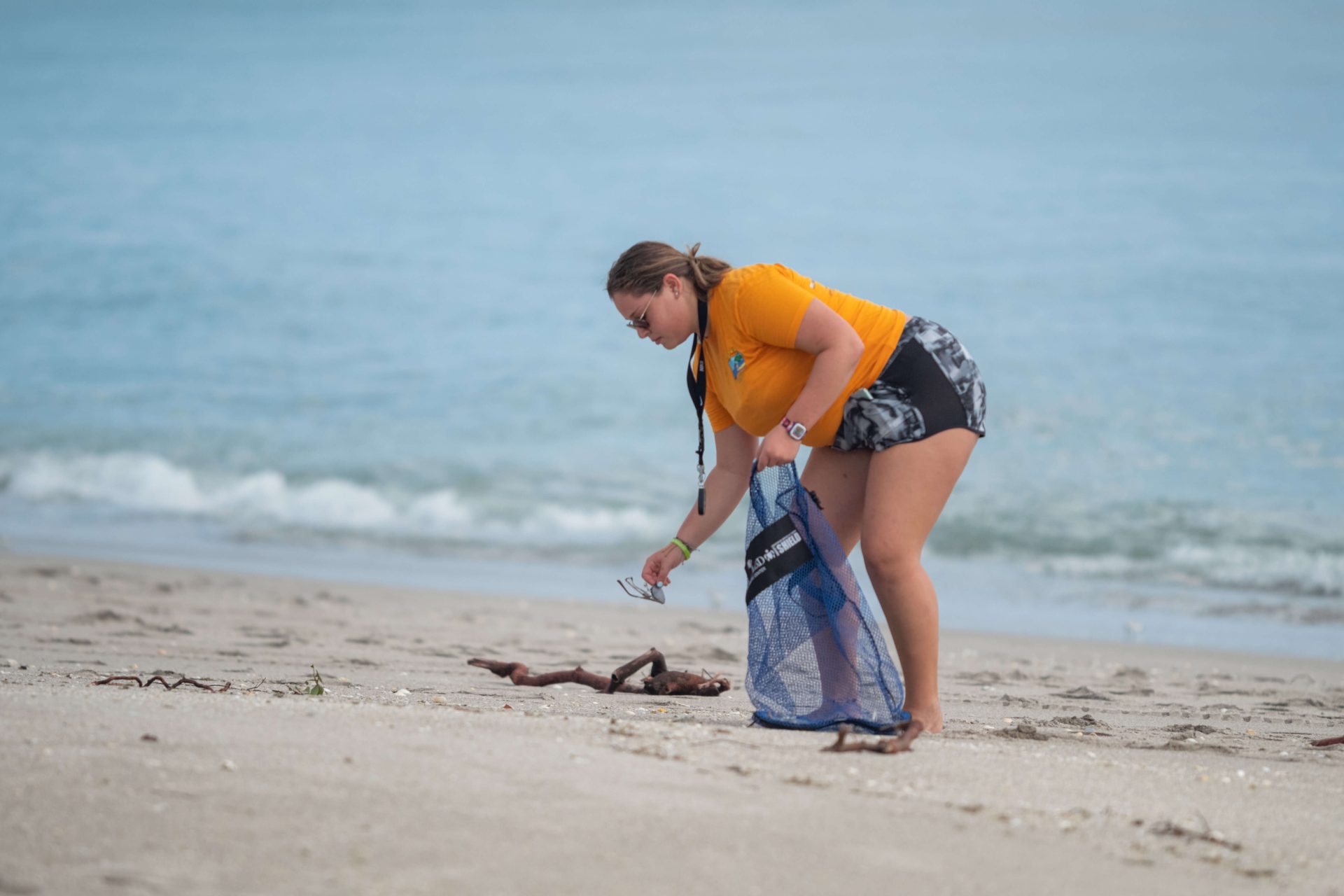
The good news? People are stepping up. Across Florida, communities have embraced hatchling protection with real heart. “Lights out” ordinances during nesting season are now common in many coastal areas, helping preserve the horizon’s natural glow that guides hatchlings to the sea. Property owners close their blinds, dim their lights, and swap out bulbs for turtle-safe options.
Volunteers walk the beaches at sunrise and sunset, checking for obstacles and disoriented hatchlings. They fill in holes, flatten sand structures, and remove gear left behind. Some even stay out all night to monitor hatching events, ensuring every turtle gets the cleanest shot possible at reaching the waves.
It’s proof that small changes can have a big impact when made together. Each hole filled, each light turned off, and each conversation with a curious beachgoer adds up to safer shores. When people act with intention and care, the difference is clear—in the tracks left behind and the number of hatchlings that make it home to the sea.
First Steps to the Sea: What Happens During a Hatchling Release
A Moment Months in the Making
Sometimes, nature needs a little help. If a nest is laid too close to high-traffic areas or storm zones, conservationists may relocate it to safer ground. After incubation, the hatchlings can emerge naturally but under careful supervision.
Assisted releases help ensure more hatchlings reach the water safely, especially when lighting or beach debris disrupts natural emergence.
Coordinating the Crawl
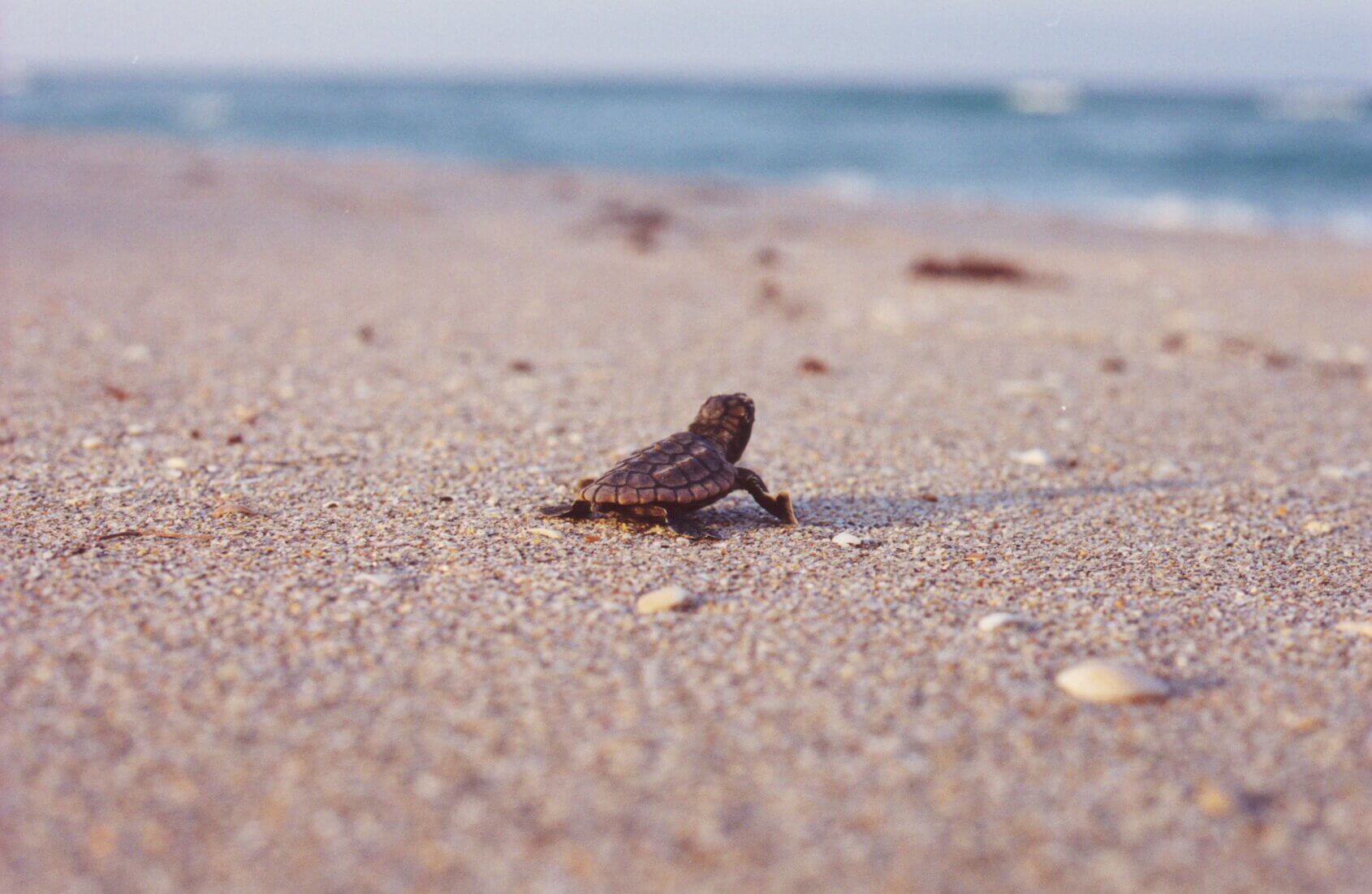
During a release, scientists and trained volunteers guide hatchlings to the sea. They avoid touching the turtles unless absolutely necessary. Each release follows strict guidelines to minimize stress and interference, giving hatchlings their best possible start.
While some releases are private for conservation purposes, others are public and educational, offering communities a chance to witness the magic firsthand.
Why It Matters
A sea turtle hatchling release is more than a feel-good moment. It’s a chance to reconnect with nature and understand life’s fragility and stewardship’s power. For many, it’s the first time they’ve truly seen what’s at stake—and how they can help.
Counting the Crawl: How Scientists Measure Success
Every Nest Tells a Story
Scientists don’t just observe—they record. From the moment a nest is laid, it’s monitored for temperature, humidity, and hatching success. Once hatchlings emerge, biologists examine the nest to count eggshells, unhatched eggs, and any remaining hatchlings.
These numbers help track reproductive success and inform strategies for better nest protection.
Tracking with Turtle Tracks
Hatchling tracks offer another layer of data. Straight lines to the ocean indicate a successful orientation. Confused patterns or tracks heading inland reveal light pollution or obstacles that interfere with navigation.
By recording and analyzing these signs, conservationists can respond quickly and adjust practices as needed.
From Local Observations to Global Strategy
Each data point, from a single turtle’s crawl to a season-wide hatchling count, feeds into a larger research network. This information helps scientists understand long-term trends in survival, sex ratios, and nesting behaviors across regions and species.
It’s not just about this season—it’s about the future of sea turtles everywhere.
Keeping the Journey Alive
The journey from sand to sea is short but extremely important. Hatchlings show us how strong and fragile nature can be. Their survival depends on the conditions we create for their nests, beaches, and oceans.
Florida leads in sea turtle conservation because communities, scientists, and visitors work together. However, this work isn’t done. Every filled hole, every light turned off, and every careful walk on the beach helps.
If you have never seen a hatchling release, consider going to one. It’s not just a wildlife event – it shows what we can achieve together for people and nature. Science is also important.
In 2024, Loggerhead Marinelife Center recorded 14,951 nests and started its first full season of temperature monitoring for all three sea turtle species. This data will help us understand hatchling sex ratios and improve survival strategies as the climate changes. Protecting sea turtles, especially hatchlings, needs everyone’s help.
Plan Your Visit and Support Sea Turtle Hatchling Release in Florida!
Do you want to see hatchlings take their first steps to the sea or help them reach it?
Visit the Loggerhead Marinelife Center to explore sea turtle science in action. Through interactive exhibits, guided tours, and community programs, you’ll learn how hatchlings are protected and why your involvement matters.
Plan your visit today at Loggerhead Marinelife Center and become part of the movement to protect these extraordinary creatures.